

The State's Chief Election Officer
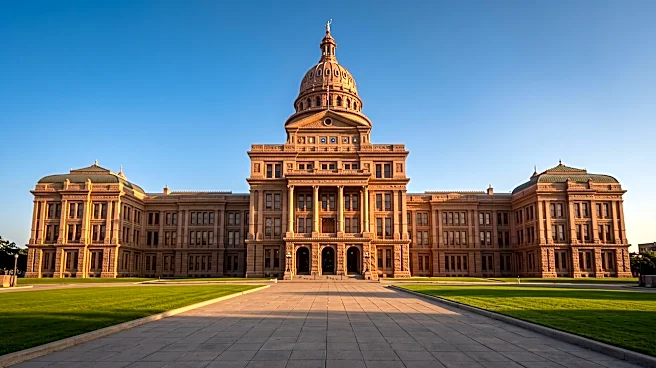
At the top of the hierarchy is the Texas Secretary of State, who serves as the state's chief election officer. Unlike in many other states, this is not an elected position; the Secretary of State is appointed by the Governor and confirmed by the State Senate. Their primary role is not to run local elections directly, but to ensure uniformity and provide guidance to the 254 counties across Texas. This office administers the Texas Election Code, certifies the voting systems used in the state, and offers legal interpretations and advice to local officials. Think of the Secretary of State as the rule-keeper and advisor, responsible for making sure every county is operating from the same playbook. They compile statewide election returns, but the actual,
on-the-ground work of conducting an election happens at a much more local level.
The County: Where the Real Work Happens
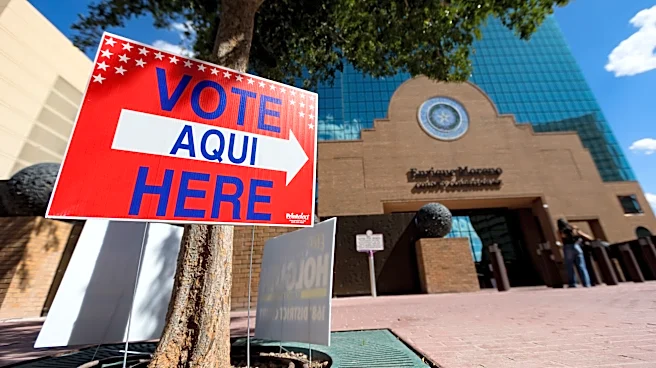
The core of election administration in Texas lies within its counties. Each county is responsible for managing its own elections, from registering voters to counting the ballots. Depending on the county, this crucial job falls to one of two officials: the County Clerk or a county Elections Administrator. In many smaller counties, the elected County Clerk manages elections in addition to their other duties. However, a county's commissioners court can create a dedicated Elections Administrator position. This administrator is an appointed professional who takes over all election-related duties from the County Clerk and the county tax assessor-collector (who traditionally handled voter registration). This official is responsible for nearly every tangible aspect of an election: maintaining the official list of registered voters, designing and printing ballots, designating polling locations, and managing all early voting operations. They are the central figures ensuring that polling places are staffed, equipment is tested and working, and that the votes are ultimately tallied accurately.
The Front Lines: Poll Workers and Election Judges
On Election Day, the system becomes even more decentralized, relying on thousands of temporary workers. Each polling place is run by a presiding Election Judge, who is the ultimate authority at that location. These judges are not legal jurists but rather citizens appointed to oversee the orderly conduct of voting. Critically, the process for selecting them is partisan. County political parties—specifically, the two parties that received the highest number of votes in the last gubernatorial election—submit lists of eligible people to the county commissioners court, which then appoints the judges. The law requires the presiding judge and the alternate judge at a precinct to be from different parties to ensure a level of bipartisan oversight. These judges, in turn, appoint the election clerks who check in voters, issue ballots, and provide assistance. These poll workers are the face of the election process for most voters, managing the final, crucial step of casting a ballot.
Checks, Balances, and Certification
Several other bodies play key roles in the system's checks and balances. The county commissioners court—the main governing body of a county—not only appoints election judges but also approves the budget for the elections office and its equipment. After the polls close and the votes are counted at the local level, the results are not yet official. First, they must be canvassed, or officially reviewed, by the local canvassing authority, which is typically the commissioners court. Once the local canvass is complete and the results are certified at the county level, they are sent to the Secretary of State. For statewide races, the Governor then performs the final state-level canvass to officially certify the winners. This multi-step process, from the local precinct all the way to the Governor's office, is designed to create a chain of verification, ensuring that no single entity has complete control over an election's outcome.