

The Statewide Coordinator: The Secretary of State
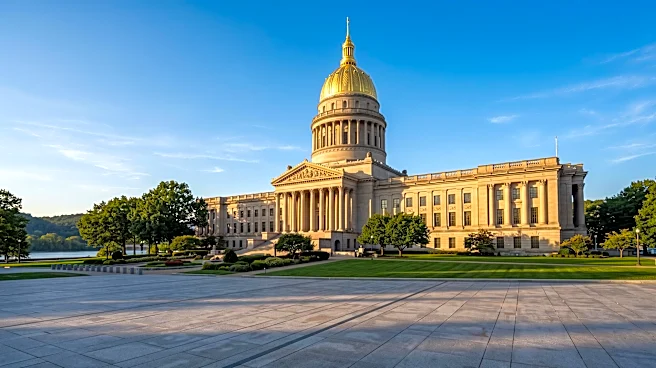
At the top of the pyramid is West Virginia's Secretary of State, who serves as the state's Chief Elections Officer. This elected official is responsible for ensuring the election process is consistent and fair across all 55 counties. Their duties include maintaining the statewide voter registration database, certifying the candidates who appear on the ballot, and providing guidance and training materials to local officials. The Secretary of State also serves on the State Election Commission, a bipartisan body that advises on election policy, approves voting systems, and helps regulate campaign finance. Think of this office as the strategic command center, setting the rules of engagement and making sure every county is playing from the same playbook.
The Local Powerhouse: The County Clerk
If the Secretary of State is the strategist, the County Clerk is the field commander. In West Virginia, the clerk of each county is the chief election official at the local level, handling the vast majority of the hands-on work. These elected officials manage voter registration day-to-day, prepare the official ballots for local, state, and federal races, and oversee both early and absentee voting. They are also responsible for recruiting, training, and equipping the small army of poll workers needed for Election Day. When the polls close, it's the County Clerk's office that conducts the initial count and secures all the ballots and voting machines. Their role is so central that without them, elections simply wouldn't happen.
The Gatekeepers of the Ballot: Commissioners and Canvassers
Two other key groups operate at the county level. First is the Board of Ballot Commissioners. Appointed in a bipartisan manner, their job is to review and officially approve the ballots before they are printed, ensuring there are no errors. After the election, another group takes center stage: the County Commission, which sits as the Board of Canvassers. Their job is to conduct the official review, or canvass, of the election returns brought in by the County Clerk. They publicly check the numbers, consider any provisional ballots, and formally declare the winners of the local contests. This canvassing process is a critical, transparent step that certifies the final results before they are sent back to the Secretary of State.
The Front-Line Workers: Your Neighbors at the Polls
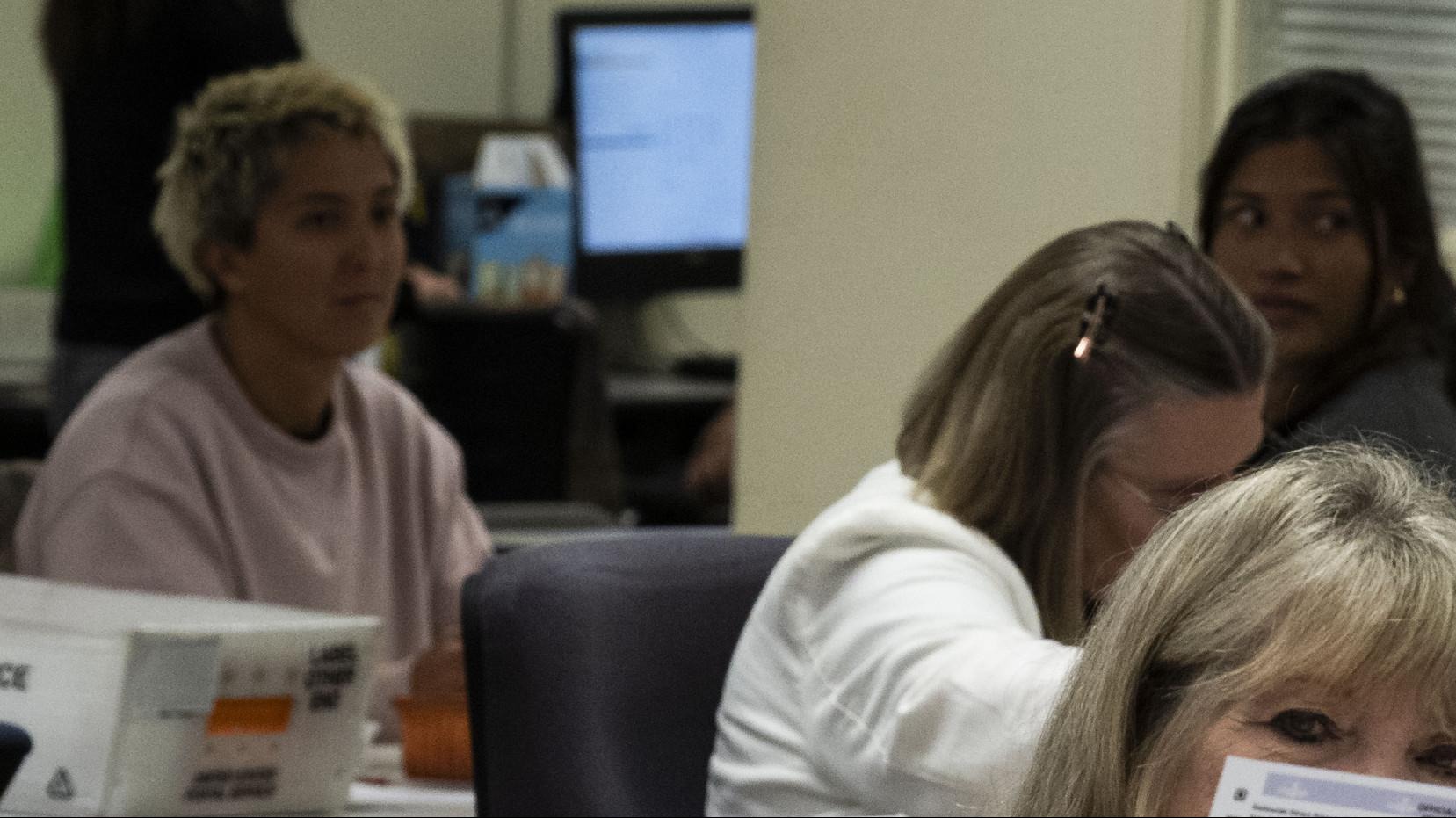
The entire system rests on the shoulders of thousands of everyday citizens who serve as poll workers. These are the people who set up the voting equipment, check your ID, hand you a ballot, and ensure the polling place runs smoothly from 6:30 a.m. to 7:30 p.m. In West Virginia, poll workers are nominated by the two major political parties and appointed by the County Commission to ensure bipartisan representation at every precinct. They are essential for making sure voting is accessible, private, and secure for everyone. Recently, the state even passed a law allowing high school juniors and seniors to serve, bringing a new generation into the democratic process. These temporary officials are the face of the election, turning abstract rules into a functioning reality for every voter.