








When the polls close on election night, the story is far from over. The results you see on TV are unofficial. So how does a vote in Oklahoma become part of a certified federal election result? It’s a deliberate, multi-step process.
The First Count: From Precinct to County
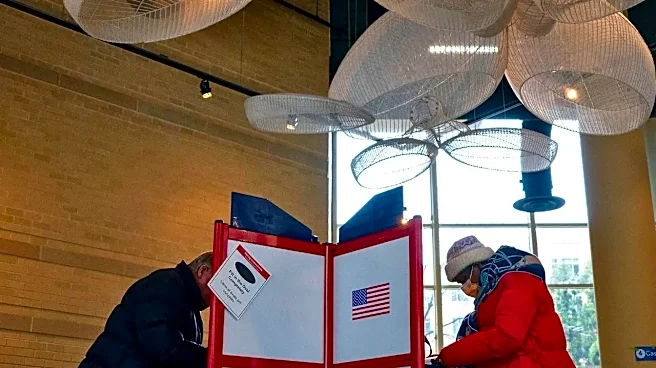
It all begins at your local polling place. Once polls close at 7 p.m., precinct officials secure the paper ballots and deliver them in sealed cases to their respective County Election Board. Oklahoma uses an optical scan system in all 77 counties, meaning every ballot is a paper record. On election night, the County Election Board convenes to receive these returns from every precinct. They begin an initial tally, accumulating the results as they come in. This is what produces the unofficial results reported by the media.
However, under state law, no results can be certified on election night.
The County Canvass: Getting the Numbers Right
The real work of certification begins in the days following the election. Each of Oklahoma's 77 County Election Boards, which are bipartisan bodies, meets on the Friday after the election. Their job is to 'canvass' the vote, a formal process of reviewing and confirming the totals. This includes verifying the counts from the voting machines, processing valid absentee ballots, and, crucially, reviewing and counting any verified provisional ballots. This meeting is a critical step to ensure every legitimate vote is included in the final count. Only after this meticulous review can the county move toward official certification.
Making it County-Official
After 5 p.m. on the Friday following the election, assuming no recounts have been filed for local races, the County Election Board members sign and seal the Official Certification Report for all elections within their jurisdiction. For county-level offices, this certification is the final step. For federal races, like for President or Congress, this action serves a different purpose: it finalizes the county's official numbers, which are then transmitted to the state for the next and final phase of the process. These county returns are considered prima facie evidence—accepted as correct until proven otherwise—of the results within that county.
The Final Step: State Certification
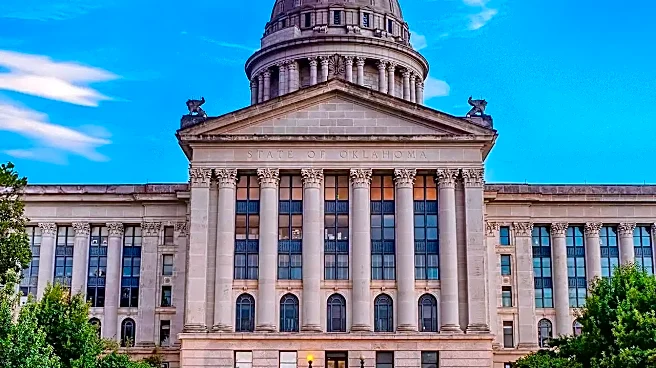
Once all 77 counties have transmitted their certified results, the focus shifts to Oklahoma City. The Oklahoma State Election Board, also a bipartisan body, is responsible for the final certification of all federal and state offices. The board meets on the Tuesday following the election (or soon after) to formally canvass the returns from every county. They aggregate the totals to produce the official statewide result. After this final canvass, the State Election Board certifies the results for federal offices, officially declaring the winners. This certified result is what becomes part of the national record.
What About Recounts or Contests?
Oklahoma law allows for challenges to the results. A candidate can request a recount for any reason, but they must file a petition and pay a deposit by 5 p.m. on the Friday after the election. The deposit is refunded only if the recount changes the outcome of any race. A recount can be done manually or by retabulatingthe paper ballots through electronic scanners. The process is overseen by county election board whose decision on validity of each ballot is final. This ensures there is clear established procedure for resolving disputes without delaying final certification unnecessarily if a recount is requested certification for that specific race is delayed until recount is complete.