





The results reported on election night are never the final word. The process of certifying an election is a meticulous, multi-step journey designed to ensure every valid vote is counted accurately. Here’s how Connecticut does it.
The Process Begins at the Local Level
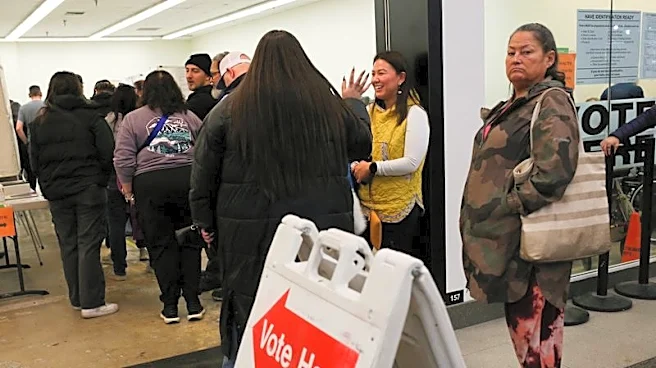
The journey to a certified election result starts the moment polls close in Connecticut's 169 towns. Local election officials, led by a moderator at each polling place, are responsible for the first official count. They oversee the tabulation of in-person votes, absentee ballots, and any provisional ballots. These initial tallies are then meticulously compiled and reviewed for discrepancies. This local canvass is essentially an accounting exercise to ensure the number of ballots cast matches the number of voters who
checked in. Once reconciled, the head moderator in each town prepares and signs duplicate returns, which become the town's official record of the vote.
Reporting to the Secretary of the State
With local results tallied, the town clerks take center stage. They are responsible for transmitting the official returns to the Secretary of the State, who serves as Connecticut’s chief election officer. This isn't just a matter of sending an email; it's a formal process with strict deadlines. The Secretary of the State's office aggregates the returns from all 169 towns to create a complete, statewide picture of the vote. This aggregation is a critical step, transforming hundreds of local reports into a single, comprehensive statewide result for federal offices like President, U.S. Senator, and U.S. Representative.
The State Board of Canvassers Convenes
The final, formal act of certification is performed by the State Board of Canvassers. In Connecticut, this board is composed of the Secretary of the State, the State Treasurer, and the State Comptroller. These officials meet after the election to review the statewide vote totals compiled by the Secretary of the State's office. Their duty is to formally affirm that the aggregated results are a true and accurate accounting of the votes cast across the state. They sign the official documents that formally certify the winners, a step rooted in Connecticut General Statutes. This act is considered ministerial, not discretionary, meaning it is a procedural duty to validate the official count.
What About Recounts and Audits?
Connecticut's system has built_in safeguards to ensure accuracy, including automatic recounts, known as a 'recanvass'. A recanvass is triggered in a federal election if the margin of victory is either less than 20 votes or less than 0.5% of the total votes cast for the office (as long as that margin is not more than 2,000 votes). If a race meets this threshold, the Secretary of the State notifies the relevant town clerks to conduct a new count of the votes for that specific office. This process is automatic and not dependent on a candidate's request; in fact, candidates are not permitted to request a recount themselves. This automatic check provides an essential layer of verification in extremely close contests, reinforcing public confidence in the final outcome.