
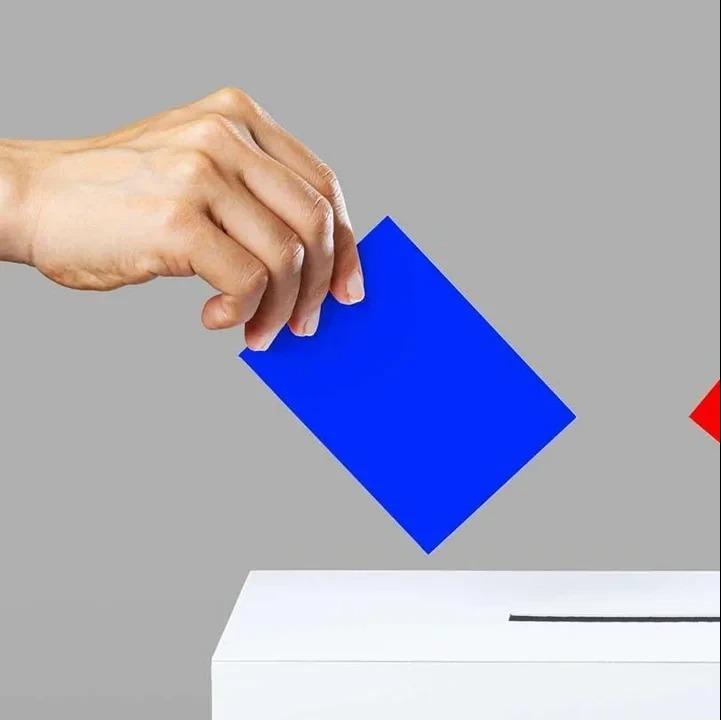




The Classic Showdown: Open vs. Closed
Before diving into Colorado's specific model, it helps to understand the two main categories. In a 'closed' primary system, you have to be a registered member of a political party to vote in its primary. A registered Republican votes in the Republican primary, a Democrat votes in the Democratic one, and that’s that. Unaffiliated or independent voters are left on the sidelines for this round. On the other end of the spectrum is an 'open' primary. In this system, any registered voter can decide on Election Day which party's primary they want to participate in, regardless of their own party affiliation. These systems exist on a spectrum, with many states landing somewhere in the middle with 'semi-closed' or 'semi-open' rules that allow some, but
not all, non-party members to participate. It's this middle ground where things get interesting—and where Colorado has carved its own path.
Colorado's Answer: A 'Semi-Open' System
So, which is it for the Centennial State? The simple answer is that Colorado uses a 'semi-open' primary system. This model was cemented in 2016 when voters passed Proposition 108, a ballot measure designed to enfranchise the state's largest and fastest-growing group of voters: the unaffiliated. Before this change, unaffiliated voters had to affiliate with a party to participate in its primary. The 2016 propositions changed the game, allowing independents to have a say in which candidates make it to the general election ballot without having to formally join a party. While registered Democrats and Republicans must still vote in their own party's primary, the system specifically opens the door for the nearly half of Colorado voters who choose not to align with any party. This hybrid approach aims to be more inclusive while still allowing parties to have a distinct nomination process.
How It Works for You, the Voter
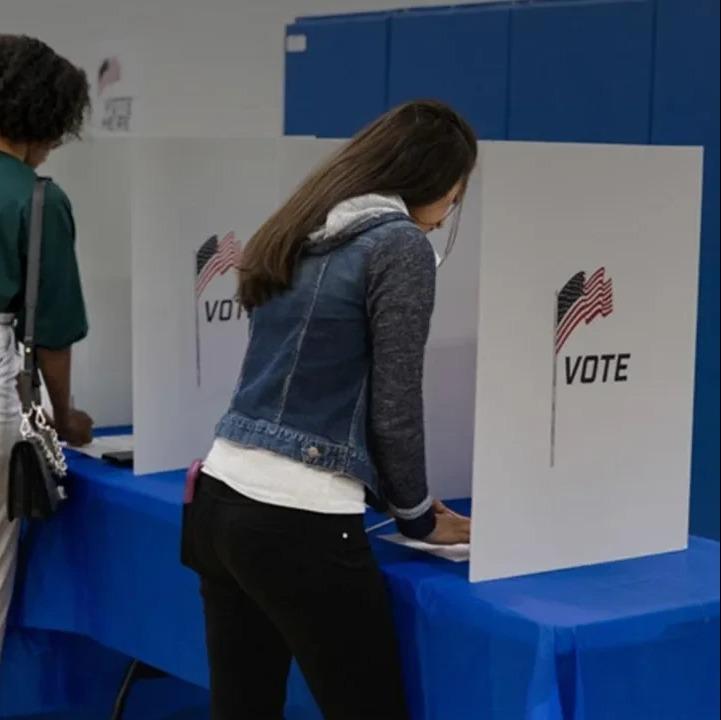
The practical application of this system is most apparent when ballots are mailed. If you are registered as a Democrat or a Republican, you will automatically receive a ballot for your party's primary. The process is different for unaffiliated voters. If you are unaffiliated, you will receive a mail-in ballot packet containing the primary ballots for both major political parties. Here’s the crucial part: you can only vote and return one of them. If you fill out and send back both ballots, neither of your votes will be counted. This 'pick-one' system gives unaffiliated voters flexibility and influence. You don't have to change your registration; you simply choose which primary is more compelling to you in that particular election cycle. Your choice of which primary you vote in is public record, but your actual votes remain secret.
Why This System Matters
Empowering the state's massive bloc of unaffiliated voters has significant political consequences. Proponents argue the system forces candidates to appeal to a broader and more moderate electorate, rather than just the most ideological members of their own party. In a state where unaffiliated voters outnumber both registered Democrats and Republicans, their participation can be decisive. In many legislative districts that are 'safe' for one party, the primary election is often the most important contest. Allowing independents to vote in these primaries means they have a say in who will most certainly win the general election. While some party insiders have challenged this system, arguing it dilutes the voices of dedicated party members, the courts have so far upheld the voter-approved law. Ultimately, Colorado’s model represents a deliberate effort to make the democratic process more representative of its independent-minded population.