






The First Step: County Canvassing Boards
The journey from a ballot to a certified result begins at the local level. In each of Florida's 67 counties, a County Canvassing Board is responsible for the initial accounting of votes. This isn't a single person making decisions; the board is designed to have bipartisan and cross-governmental oversight. By law, it is composed of the county's Supervisor of Elections, a county court judge who serves as the chair, and the chairperson of the Board of County Commissioners. Members are not allowed to be candidates in the election they are canvassing or be active in a candidate's campaign. Their job is to oversee the entire process, from publicly testing voting equipment before the election to verifying the validity of all votes cast, including mail-in
and provisional ballots. They are the ones who examine ballots where a voter's intent might be unclear and ensure every valid vote is included in the county's final tally.
The County-Level Deadlines
The process is governed by a strict, legally mandated timeline. After election night, the County Canvassing Boards work to reconcile all the votes. This includes ballots cast on Election Day, during early voting, and by mail. Florida law requires these boards to file their official county returns with the Florida Department of State. For a general election, this deadline is firm: noon on the 13th day following the election. If a county's returns are not received by the state by this deadline, they are to be ignored, and the results on file at that time are what get certified. This deadline underscores the methodical and time-sensitive nature of the state's certification process.
The State Level: The Elections Canvassing Commission
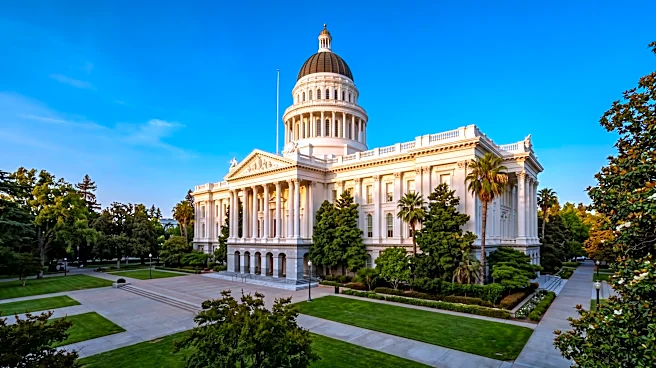
Once the counties have submitted their certified results, the process moves to the state capital, Tallahassee. Here, the Florida Elections Canvassing Commission takes over for federal, state, and multi-county races, including U.S. Congressional elections. This commission is composed of the Governor and two members of the Florida Cabinet, whom the Governor selects. Their role is not to recount the votes themselves, but to receive the certified returns from all 67 counties and formally certify the final results for these larger races. This serves as the final, official declaration of the election's outcome at the state level.
The Final Certification and Timeline
The state-level certification also happens on a precise schedule. The Elections Canvassing Commission is required to meet at 9 a.m. on the 14th day after a general election to certify the returns. A similar timeline, just one day after the counties must report, highlights the swift and orderly transfer of responsibility. Once the commission certifies the results, the election is officially over, and the winner is formally declared. The Florida Department of State's Division of Elections provides the necessary staff and support for the commission's work. For congressional races, this certification is what is sent to the U.S. House of Representatives to confirm who will be seated.
What About Recounts and Challenges?
Florida's election laws have built-in procedures for close races. An automatic machine recount is triggered if the unofficial returns show a margin of one-half of one percent or less. If, after the machine recount, the margin narrows to one-quarter of one percent or less, a manual recount of overvotes and undervotes is ordered for federal, state, or multi-county contests. These recounts happen within the certification timeline, before the final official returns are sent to the state. The County Canvassing Board oversees these recounts. While legal challenges can and sometimes do arise, which can complicate the timeline, the statutory process itself is designed to move methodically from local verification to a final, statewide certification.