



After the polls close and the news reports unofficial tallies, the real work of finalizing an election begins. In Massachusetts, certifying a federal election isn't a single action but a meticulous, multi-step process with built-in checks and balances.
The First Stop: Your Local Election Office
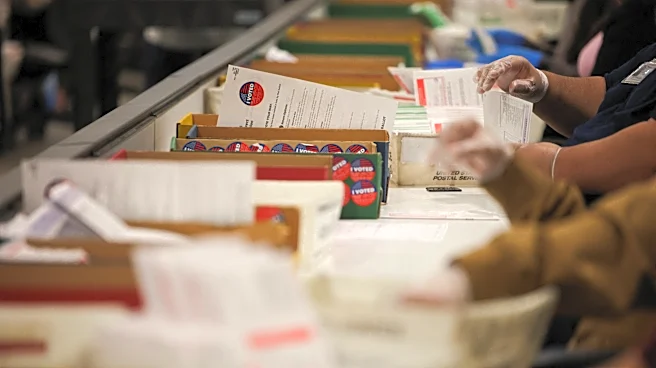
The journey of your ballot from polling place to certified result begins at the local level. After polls close, officials in each of the Commonwealth's 351 cities and towns get to work. Their first job is to reconcile all the votes cast—whether by mail, during early voting, or in person on Election Day. This isn't just a simple count. Local election workers must review write-in votes, process provisional ballots, and ensure that ballots returned to drop boxes at the last minute are properly verified
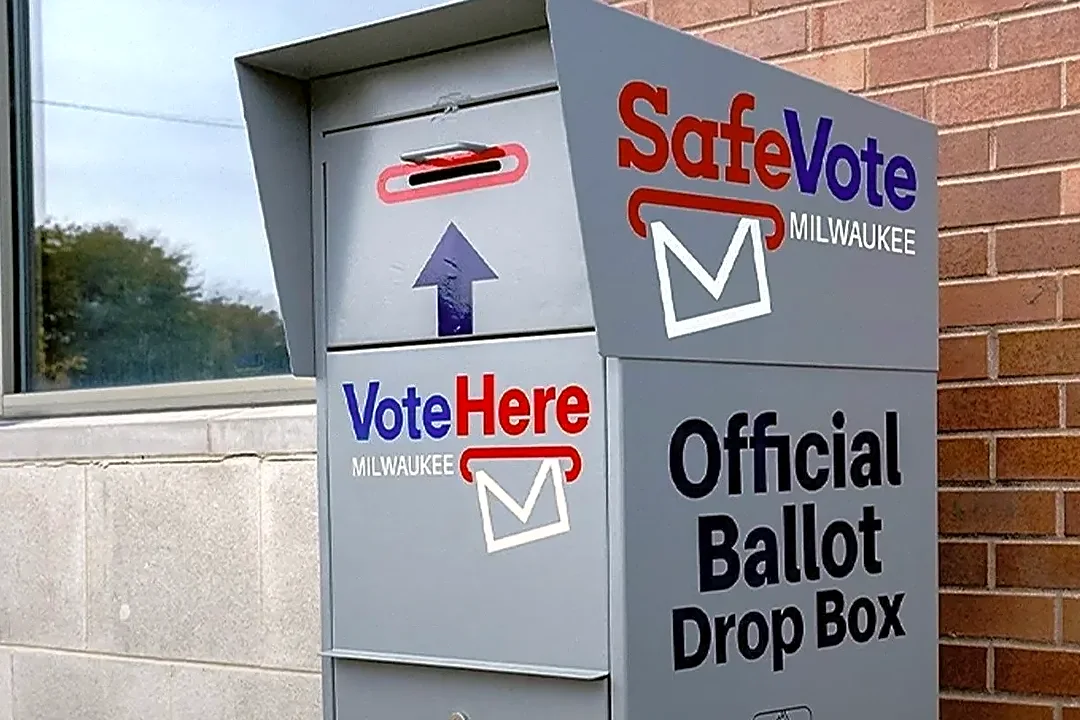
and included. For state elections, they also have a ten-day window to receive and count ballots from overseas military and civilian voters. Once every valid vote is accounted for, local election officials formally certify their municipality's results and transmit them to the state. They have up to 15 days following a general election to complete this crucial first step.
The State's Central Checkpoint: The Secretary of the Commonwealth
Once the locally certified results arrive from across the state, the Elections Division, led by the Secretary of the Commonwealth, takes over. As the state's chief election official, the Secretary is responsible for aggregating the vote totals from every city and town to create a complete, statewide picture of the results for federal offices like President, U.S. Senator, and U.S. Representative. This office doesn't just rubber-stamp the local numbers; it reviews the submissions to ensure they are complete and correct. Any discrepancies are flagged and resolved during this period. The Secretary's office compiles these verified totals into an official record, which then moves on to the final, unique step in the Massachusetts process.
A Unique Final Step: The Governor's Council
Here's where Massachusetts differs from many other states. The final certification of federal election results involves the Governor and the Governor's Council. The Governor's Council, also known as the Executive Council, is an elected eight-member body that, along with the Lieutenant Governor, provides advice and consent on various state matters, from judicial appointments to pardons. In the context of an election, the Secretary of the Commonwealth presents the aggregated results to the Governor and the Council. They then formally examine the records. Upon their approval, the Governor issues a proclamation declaring the names of the elected candidates, and certificates of election are issued. This final review by an elected body provides another layer of public oversight before the results are made official.
The Safety Nets: Audits and Recounts
The integrity of the process is reinforced by several safety nets. First, Massachusetts uses paper ballots for every voter, creating a verifiable trail that can be checked by hand. After every presidential election, state law mandates a post-election audit where officials handcount all the ballots from a randomly selected 3% of precincts across the state. This public process helps confirm that the votecounting equipment was accurate. If any discrepancies are found, the results can be amended before final certification. Furthermore, candidates have the right to petition for a recount if a race is particularly close. These mechanisms are not signs of problems; rather, they are builtin features designed to ensure accuracy and build public confidence in any final certified outcome.