





The Statewide Rule-Maker: The Secretary of State
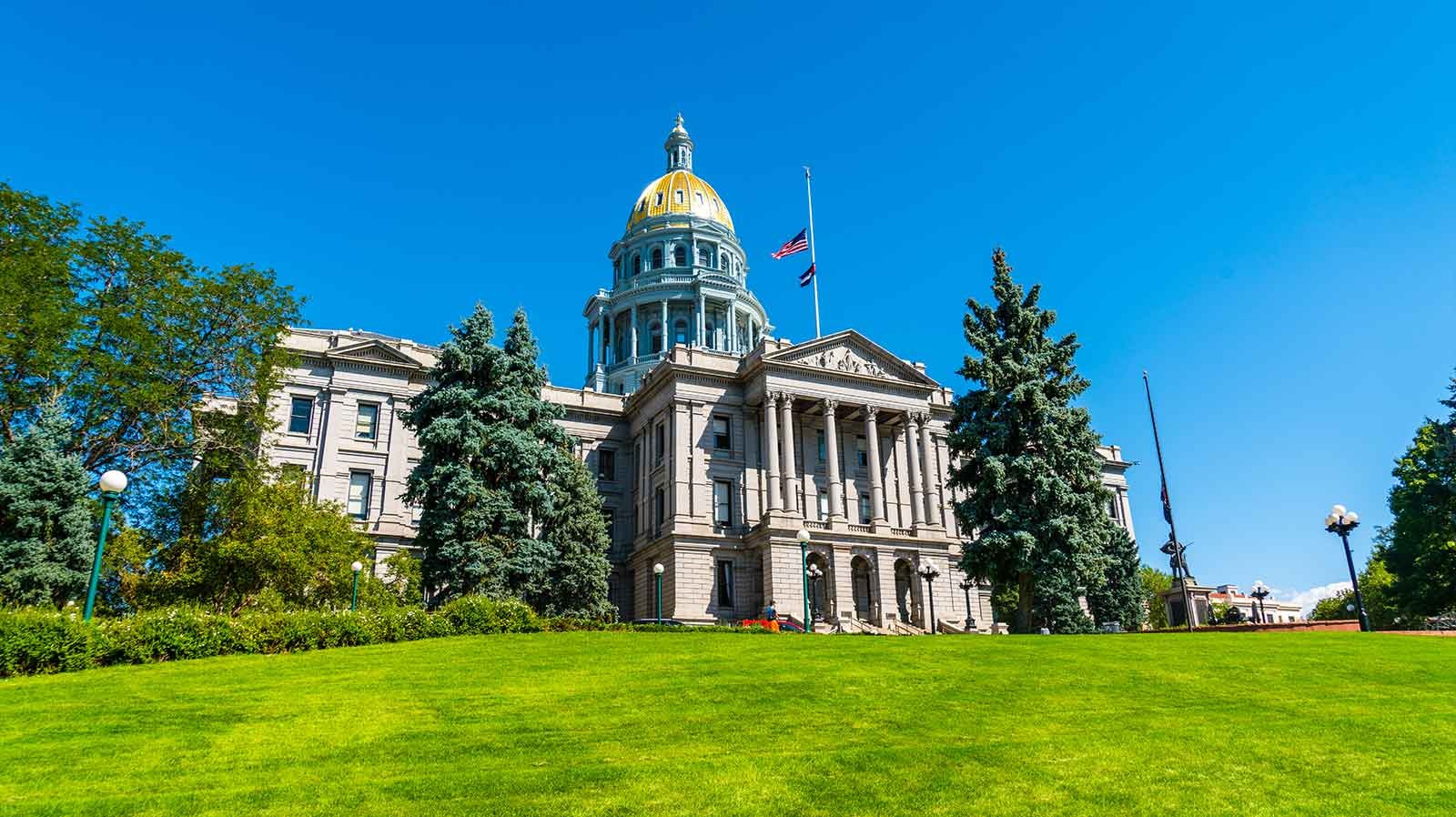
At the top of the pyramid is the Colorado Secretary of State, the state's chief election official. This is an elected position, and the person who holds it is responsible for supervising elections statewide, maintaining the central voter registration database, and setting the rules and procedures that all 64 counties must follow. Think of this office as the architect and regulator. They design the blueprint for how an election should work—from certifying voting equipment to administering campaign finance laws—and ensure every county is building from the same set of plans. While they provide oversight, they don't handle the day-to-day mechanics of running the election on the ground. That responsibility falls to a different group of officials.
The On-the-Ground Commanders: County Clerks
If the Secretary of State is the architect, then Colorado’s 64 county clerks are the general contractors. These officials, who are elected in their respective counties, are the primary administrators of elections. They are responsible for nearly every tangible aspect of the voting process. This includes managing voter registration rolls for their county, mailing ballots to every active registered voter, and securing and operating all Voter Service and Polling Centers (VSPCs). They also handle the logistics of ballot collection from 24-hour drop boxes and are in charge of tabulating the votes once they come in. It's a massive undertaking that also involves issuing marriage licenses, recording real estate transactions, and managing vehicle registrations, making the clerk's office a hub of local civic life.
A System of State Supervision and Local Control
The Colorado model is best understood as a partnership. The Secretary of State provides the uniform rules and statewide systems, like the BallotTrax program that lets voters track their ballot's status. The county clerks execute the election according to those rules, but with the flexibility to manage the specific needs of their local communities. This decentralized approach ensures that elections are managed by officials who are directly accountable to the voters in their own county. This structure is a key reason why Colorado is described as a mail-ballot delivery state, not just an “all-mail” state; every voter gets a ballot in the mail, but they also have robust in-person voting options managed at the county level. This combination of centralized oversight and localized implementation is a hallmark of the system.
The Essential Workforce: Bipartisan Election Judges and Staff
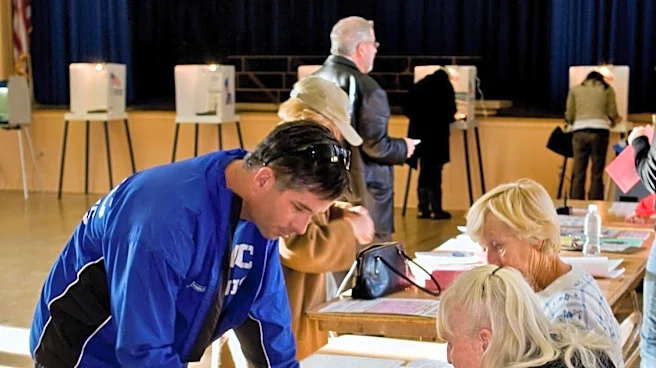
Neither the Secretary of State nor the county clerks could run an election alone. They rely on a temporary workforce of thousands of citizens from different political parties who serve as election judges. These are the people who staff the VSPCs, help voters with registration, and, crucially, work in bipartisan teams to process and verify mail ballots. Their tasks include signature verification, where a Republican and a Democratic judge together review the signature on every mail ballot envelope to ensure it matches the one on file. They also participate in post-election audits, like the risk-limiting audit, which randomly checks paper ballots against machine counts to ensure accuracy. This bipartisan involvement at every critical step is a foundational security feature designed to build public trust and ensure no single party can exert undue influence over the counting process.