


The Short Answer: A 'Closed' System
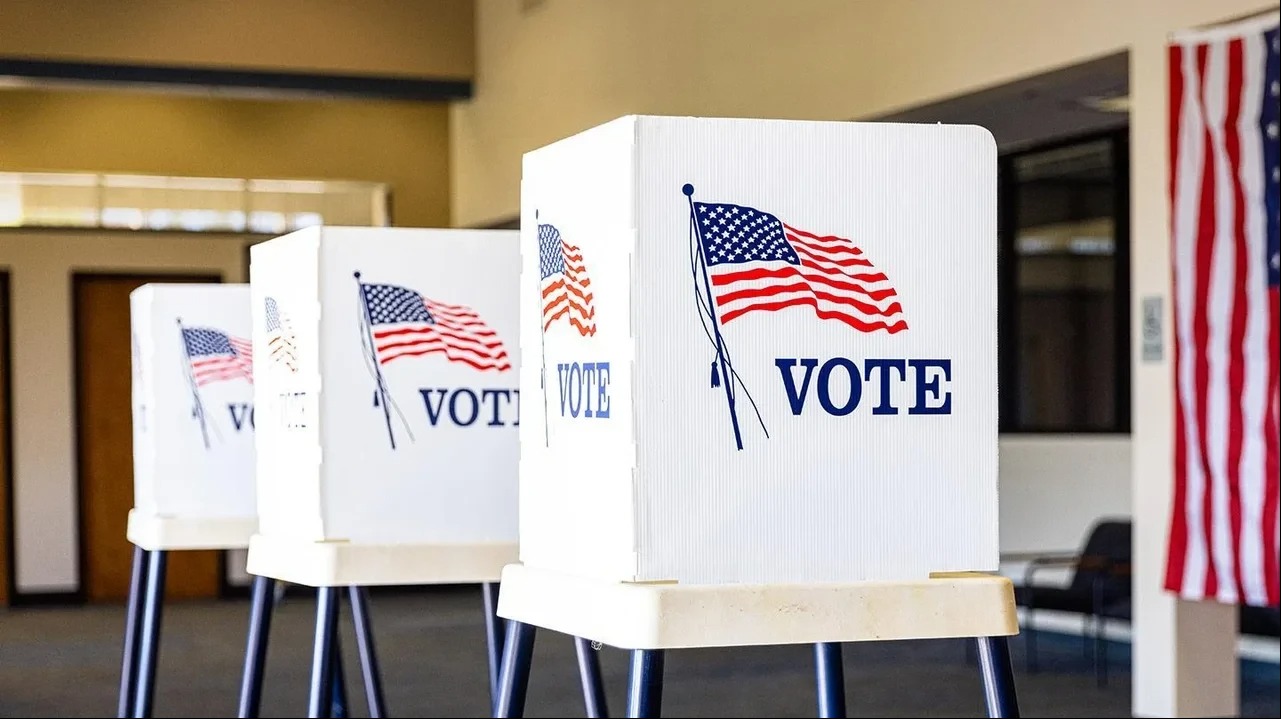
Florida is one of only a handful of states with a fully closed primary system. In simple terms, this means a voter must be registered as a member of a political party to vote in that party's primary election. If you’re a registered Republican, you get to vote for Republican candidates. If you’re a Democrat, you vote for Democrats. And if you are registered with No Party Affiliation (NPA) or a minor party, you cannot vote in the major parties' primary contests for partisan offices like governor, U.S. senator, or state legislator. To participate, you must be registered with your chosen party at least 29 days before the primary election.
Who Gets Left Out?
The impact of this system is enormous, particularly for the fast-growing bloc of independent voters. As of 2026,
Florida is home to nearly four million voters registered with No Party Affiliation, making up over a quarter of the entire electorate. This group, which is often younger and more diverse, is effectively barred from participating in the crucial first round of elections where candidates are chosen. In many parts of Florida, where one party heavily dominates, the primary election is often the only contest that truly matters. The winner of the dominant party's primary is virtually guaranteed to win the general election, meaning millions of NPA and minor-party voters have no say in who ultimately represents them.
The Argument for Keeping Primaries Closed
Supporters of the closed system argue it’s a matter of principle and practicality. They contend that political parties are private organizations and should have the right to select their own nominees without outside interference. This system prevents 'crossover voting' or 'raiding', where members of one party might vote in another's primary to nominate a weaker candidate who would be easier to defeat in the general election. Proponents believe closed primaries ensure that the candidates who advance to the general election are the ones who best represent the core values of their party's base, chosen by the party's most loyal members.
The Growing Push for Open Primaries
On the other side is a vocal movement arguing that taxpayer-funded elections should be open to all taxpayers. Critics of the closed system say it disenfranchises a huge portion of the electorate, promotes political polarization by forcing candidates to appeal only to their partisan base, and fails to reflect a modern electorate where fewer people identify strictly with one party. Organizations like Florida Open Primaries advocate for changing the system, arguing it would increase voter participation and lead to more moderate, broadly appealing candidates. In 2020, a constitutional amendment to create a top-two open primary system received 57% of the vote but failed to meet the required 60% threshold for passage, showing significant public appetite for change.
Are There Any Exceptions?
Yes, but they are limited. All voters, regardless of party, can vote in nonpartisan races that appear on the primary ballot, such as those for school board members, judges, and local referendums. Additionally, Florida has a 'universal primary' system. This rule kicks in when all the candidates for a specific office are from the same party and there is no opposition (including from a write-in candidate) in the general election. In that specific race, the primary becomes open to all registered voters. However, this has led to a controversial loophole where a party may enlist a 'ghost' write-in candidate from another party, who has no intention of seriously campaigning, for the sole purpose of closing the primary and blocking millions of voters from participating.