


On Election Day, you go to a specific place to cast your ballot. But the 'where' is determined by something you may never think about: your precinct. It's the fundamental building block of American democracy, and Florida has thousands of them.
The Basic Building Block of Your Vote
Think of a precinct as your official voting neighborhood. It’s the smallest political-geographical unit in the election system. Based on your home address, you are assigned to a specific precinct, which is given a number for administrative purposes. Florida law requires these areas to be, as much as possible, 'contiguous and compact'. This means they should be logically connected and not bizarrely shaped. Every single voter in Florida belongs to one. This designation is what determines which local, state,
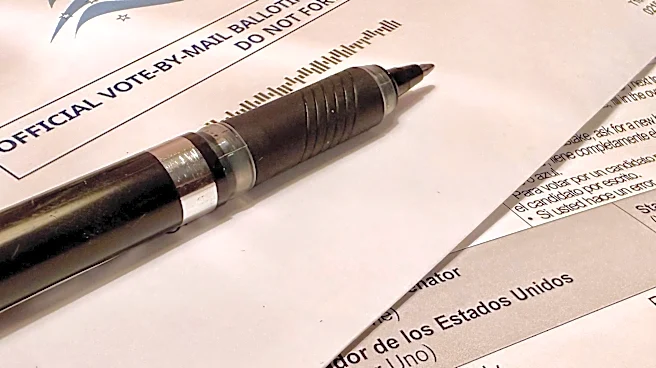
and federal candidates appear on your ballot, ensuring you vote in the correct races for your specific location. You can typically find your precinct number on your voter information card.
Precinct vs. Polling Place: What's the Difference?
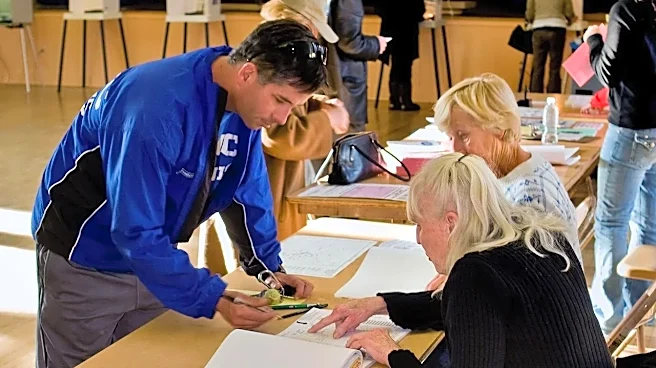
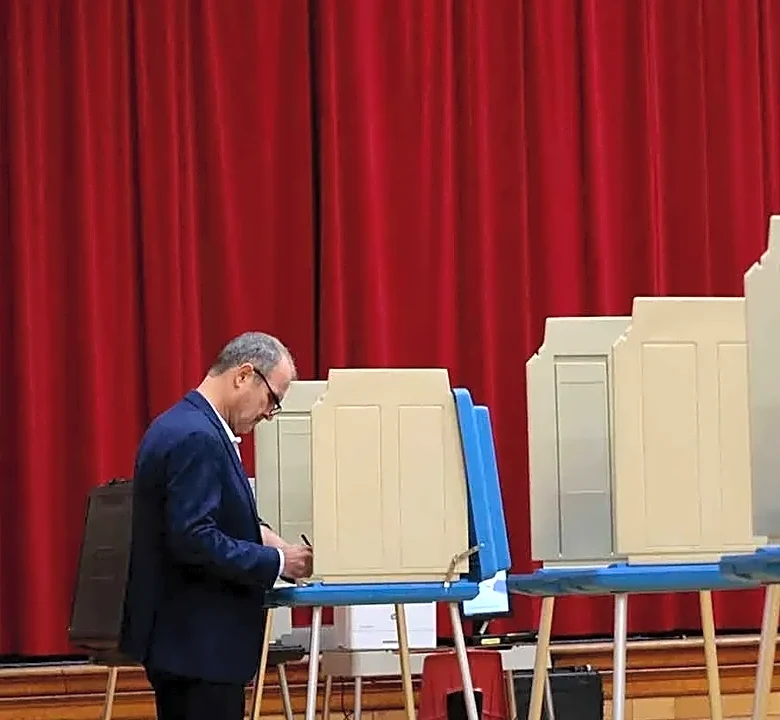
It’s easy to confuse a precinct with a polling place, but the distinction is simple. The precinct is the area—the collection of streets and addresses. The polling place is the physical location where the voters from that precinct go to cast their ballots on Election Day. You might vote in a school, a community center, or a library. Sometimes, if a polling place is large enough, it may serve as the voting location for more than one precinct. So, while you and your neighbor a few blocks over might be in different precincts with slightly different ballots, you could end up voting at the same physical site.
How Are Precincts Drawn?
Precinct boundaries aren’t random. In Florida, the process is a collaboration between county-level officials. The Supervisor of Elections for a given county recommends the creation or alteration of precincts, and the Board of County Commissioners gives the final approval. These boundaries are often adjusted after the U.S. Census, which happens every ten years, to account for population shifts and to align with newly drawn legislative districts. The goal is to keep them manageable in size and to follow clear dividing lines like roads, streams, or city limits. Florida statutes also allow for very small precincts (fewer than 25 registered electors for the party on the ballot) to be temporarily combined with a neighboring one to save resources.
So, How Many Precincts Are There?
Pinning down an exact, permanent number of precincts in Florida is like trying to hit a moving target, because counties can and do make adjustments. However, we can get a very clear picture from official election data. Across its 67 counties, Florida contains several thousand voting precincts. For example, some individual counties like Miami-Dade have over 500 precincts, while smaller counties have far fewer. The total number fluctuates, but statewide figures often hover in the range of 5,000 to 6,000 precincts. These adjustments happen periodically, especially after major redistricting efforts, to ensure the electoral map remains current and functional for voters across the state.
Why It Matters to You
The concept of a precinct might seem like dry administrative trivia, but it has a real impact on your voting experience. The size of your precinct, the location of your polling place, and how efficiently it’s run can all influence wait times on Election Day. Research has shown that the farther a voter has to travel to their polling place, the less likely they are to vote. Well-drawn, conveniently located precincts make voting easier and more accessible for everyone. Understanding your precinct is understanding the most direct, tangible connection you have to the democratic process. It’s where your single vote joins with those of your neighbors to begin the journey of shaping government.