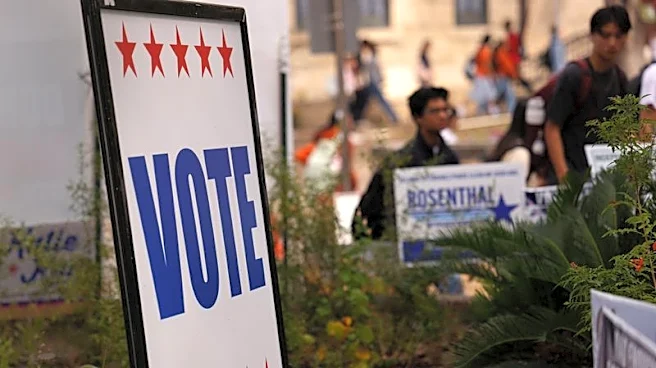





Ever get your voter guide in the mail and wonder how officials decided you’d be voting in a school gym or community hall? The process is a mix of geography, logistics, and a major statewide shift in how we vote. Here’s how it works.
It All Starts with Precincts
The foundation of polling place assignment is the 'precinct'. Think of it as the smallest political building block in the country. County election officials divide their entire county into these small geographic areas. Your home address places you in a specific precinct, and that single fact determines which hyper-local, city, county, state, and federal races appear on your ballot. Precincts are drawn so that everyone within the boundary votes on the same set of issues and candidates. Officials try to keep these areas compact
and can't draw a line that splits a single supervisorial, congressional, or city council district. According to county guidelines, a precinct in a traditional model might contain up to 1,000 voters to ensure things run smoothly on Election Day.
The Old Model: One Precinct, One Polling Place
In the traditional model, which some California counties still use, your precinct is directly tied to a single, assigned polling place. Officials in your county's election office are responsible for finding a suitable location to serve the voters in your specific precinct (or sometimes a few consolidated precincts). Months before an election, they get to work securing locations. The ideal spot has to meet a strict list of criteria: it must be accessible to voters with disabilities, have adequate parking, be centrally located for the precinct's population, and be available for use on Election Day. This is why schools, community centers, libraries, and even hotels are common choices. However, because availability changes, your assigned location might not be the same from one election to the next.
The Big Shift: The Voter's Choice Act
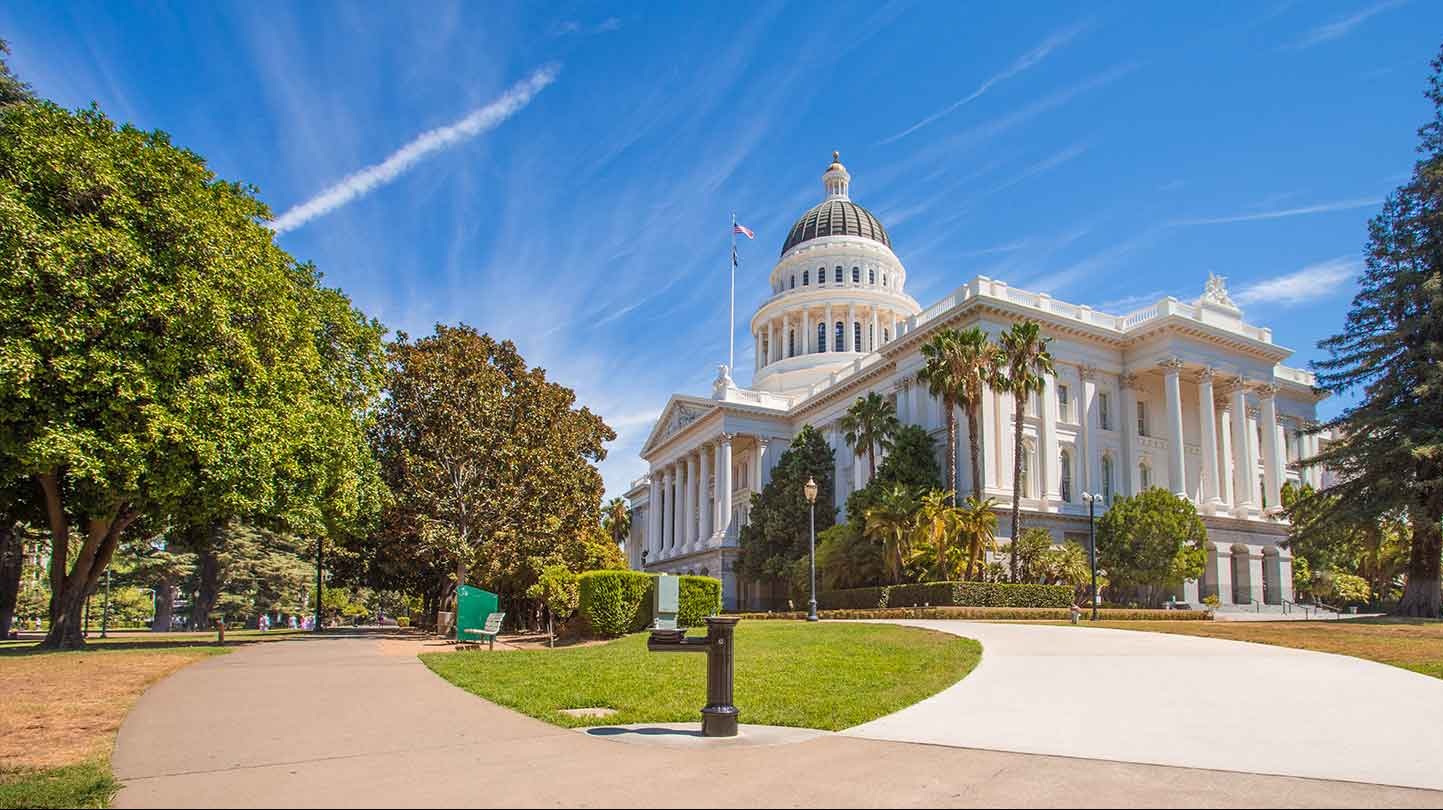
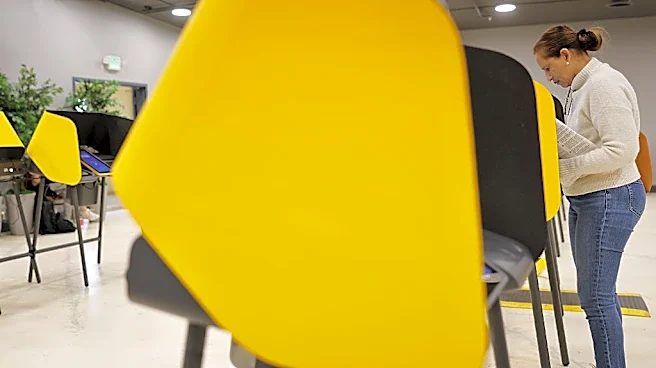
Here's where it gets more modern. A growing number of California counties now operate under the Voter's Choice Act (VCA), which dramatically changes the in-person voting experience. As of 2024, 30 counties, including major ones like Los Angeles, San Diego, and Sacramento, have adopted this model. In a VCA county, there are no assigned polling places. Instead, the county opens a smaller number of large 'vote centers'. Any registered voter in the county can use any vote center they wish. You could vote near your office on your lunch break, near your kid's school after drop-off, or anywhere else that's convenient. These centers also open up to 10 days before the election, offering more flexibility.
How Vote Centers Are Chosen
If there's no single assigned location, how do counties decide where to put the vote centers? The law sets specific requirements based on voter population. For example, starting three days before the election, there must be at least one vote center for every 10,000 registered voters. When selecting sites, officials must consider a wide range of factors to ensure equitable access. These include proximity to public transportation, nearness to communities with low rates of car ownership, access for voters with disabilities, and placement in areas with historically low mail-in ballot usage. Public consultation is also a required part of the process, giving community organizations a say in where these crucial facilities are located.
Don't Forget: Mail_In Ballots Are Now Universal
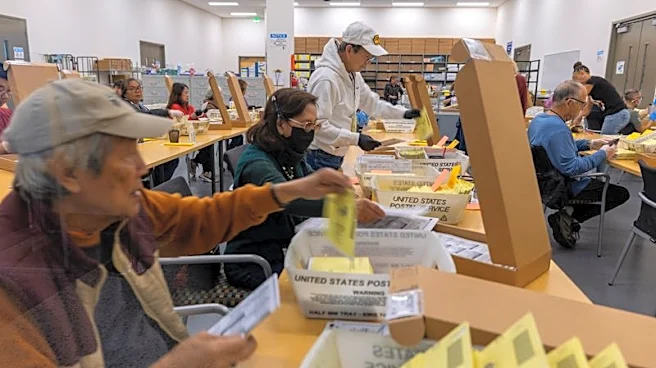
The final piece of the puzzle is that in person voting is no longer the default for anyone. In 2021 , California made a pandemic era policy permanent : every active , registered voter is automatically sent a vote by mail ballot . This means you don t have to go to a polling place or vote center at all . You can simply fill out your ballot at home and return it by mail (postage is prepaid) or drop it in a secure , official drop box . For many Californians , the 'assigned polling place' is now their kitchen table . The physical locations serve as an essential option for those who need assistance , want to register on the same day , prefer the in person experience , or need a replacement ballot .