



The Statewide Conductor: Maine’s Secretary of State
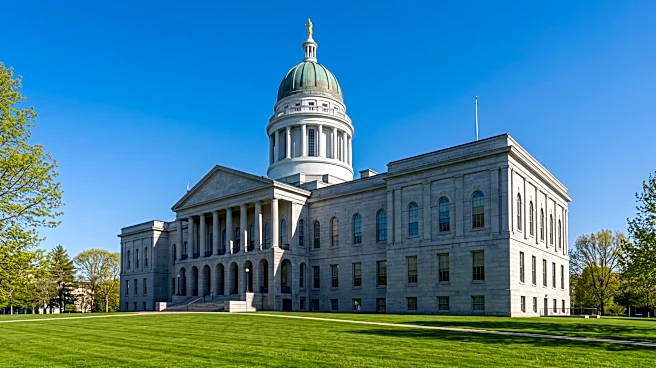
At the highest level, Maine's elections are overseen by the Secretary of State, who serves as the state's chief election official. This office, part of the Department of the Secretary of State, has the massive job of ensuring uniformity and legality across the entire process. Responsibilities include designing, printing, and distributing all state and federal ballots to Maine's roughly 500 municipalities. They certify candidates for the ballot, oversee the petition process for citizen initiatives, and tabulate the official election results. The Secretary of State's office also provides legal guidance to local officials and manages the centralized voter registration system, which helps keep voter lists accurate and up-to-date. Think of this office as the conductor
of an orchestra, ensuring every section is playing from the same sheet music.
The Local Linchpin: Your Municipal Clerk
If the Secretary of State is the conductor, then your local municipal (town or city) clerk is the first-chair violinist. In Maine, and much of New England, elections are fundamentally local affairs. Your municipal clerk is the supervisor of all elections within their jurisdiction. They are the face of the election process for most voters. Clerks are responsible for registering residents to vote, a process that can happen all the way up to and on Election Day in Maine. They handle all absentee ballot requests, sending them out to voters and receiving them back. It is the clerk’s job to prepare all the election materials for polling places, from the physical ballots to the voting equipment itself. They also train the local poll workers, ensuring everyone understands election law and procedure. This hyper-local control is a hallmark of Maine's civic tradition and a key reason many Mainers trust the process.
The Front Lines: Election Workers and Wardens
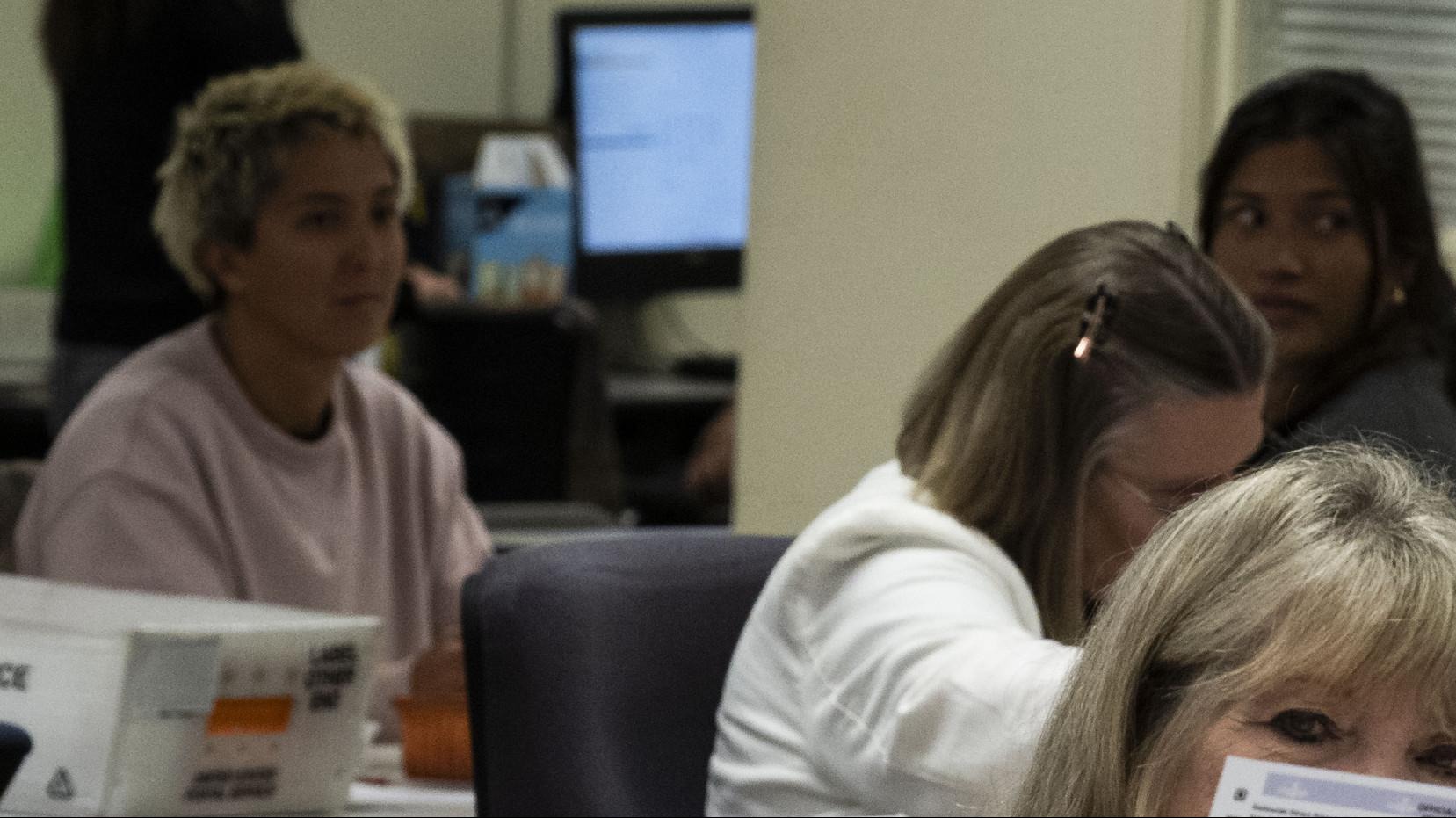
On Election Day, the people you interact with at your polling place are your neighbors. These temporary election workers, or poll workers, are appointed by municipal officers and are essential to a functioning election. State law requires that these appointments be balanced between the major political parties to ensure non-partisanship at the polls. These workers are responsible for checking voters in, handing out ballots, and ensuring the polling place runs smoothly under the direction of a warden. The warden is the chief official at a specific polling place, tasked with enforcing election law on-site and signing off on the vote counts at the end of the night. After the polls close, election clerks then undertake the task of counting the paper ballots, either by hand in smaller towns or by feeding them into tabulation machines that are never connected to the internet.
The Checks and Balances
Maine's election system is built on a foundation of checks and balances designed to foster security and confidence. The use of paper ballots for every vote creates a physical, auditable trail. These ballots are subject to a strict chain of custody, and after the election, they are sealed and securely stored in vaults in case a recount is needed. The centralized voter registration system helps clerks track who has voted, preventing double voting. Furthermore, the vote tabulators are tested before each election and are not connected to any network, protecting them from remote interference. Finally, a separate agency, the Maine Commission on Governmental Ethics and Election Practices, administers campaign finance laws, ensuring transparency in how campaigns are funded but is distinct from the administration of voting itself.