



The Midterm Lows of the Early 2010s
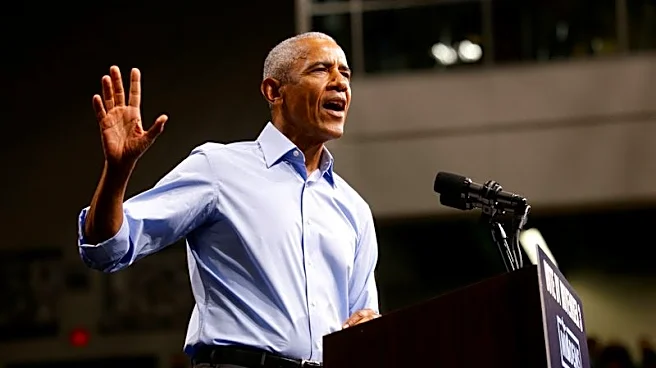
The period from 2010 to 2014 was marked by the classic see-saw of American politics: higher interest in presidential years and a significant drop-off during midterms. In 2010, a midterm election year defined by the national Tea Party wave, Arkansas saw a voter turnout of just 37.9%. Two years later, for the 2012 presidential election, participation jumped to 51.1% as incumbent Barack Obama faced Mitt Romney. However, even with a presidential race, Arkansas's turnout was among the lowest in the nation, a trend often attributed to its status as a non-battleground state where the presidential outcome is rarely in doubt. By the 2014 midterms, turnout slumped back down to 40.3%. This election was pivotal, marking the year Republicans captured all
statewide executive offices and solidified control, ending more than a century of Democratic dominance in the state.
The Trump Effect: A Surge in Engagement
The 2016 presidential election, featuring Donald Trump, dramatically altered engagement levels nationwide, and Arkansas was no exception. Turnout climbed to 53.2% of eligible voters. While still low nationally, the energy of the election was palpable. This heightened interest carried over into the 2018 midterms, which saw a historic surge across the country. In Arkansas, turnout for the 2018 midterms reached 41.3%, a notable increase from previous midterm cycles and bucking the trend of deep voter apathy. This period demonstrated that polarizing national figures and high-stakes national narratives could drive participation even in a state with restrictive voting laws and a lack of presidential competitiveness.
The Unprecedented 2020 and its Aftermath
The 2020 presidential election shattered modern turnout records nationally, and Arkansas saw its highest participation rate of the entire 14-year period, hitting 56.5%. Despite this peak, Arkansas still ranked 50th out of 51 (including D.C.), with only Oklahoma seeing a lower percentage of its eligible voters cast a ballot. The energy of the election was undeniable, but the state's structural barriers and predictable Republican outcome at the presidential level kept it from mirroring the 60-70% turnout seen in more competitive states. Following that peak, the 2022 midterms saw turnout settle at 41.5%, nearly identical to the 2018 surge and suggesting a new, higher floor for midterm engagement. A significant ballot measure to legalize recreational marijuana was a key driver in that election.
The 2024 Cycle: A New Normal?
In the most recent presidential election of 2024, Arkansas turnout landed at 53.5% of eligible voters. This figure was down from the 2020 high but remained on par with the 2016 level, indicating that the elevated engagement of the Trump and post-Trump eras has created a durable new baseline. While presidential races continue to draw over half the state's electorate, midterms now reliably bring out around 41%, a significant improvement from the sub-40% figures of the early 2010s. Key issues on the 2024 ballot, including a legislatively referred measure on lottery scholarships and a controversial citizen-led initiative concerning a casino license in Pope County, helped drive interest.