




The Smallest Piece of the Puzzle
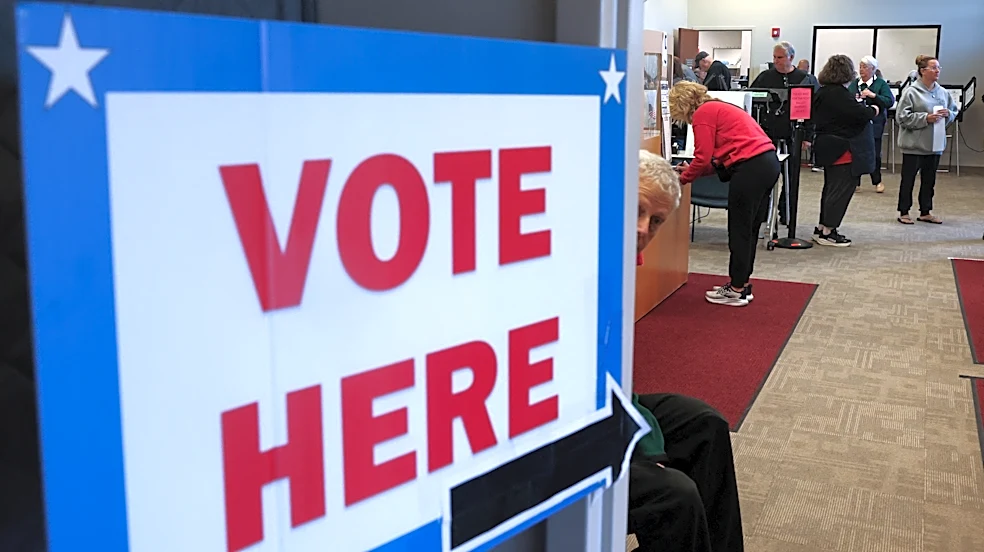
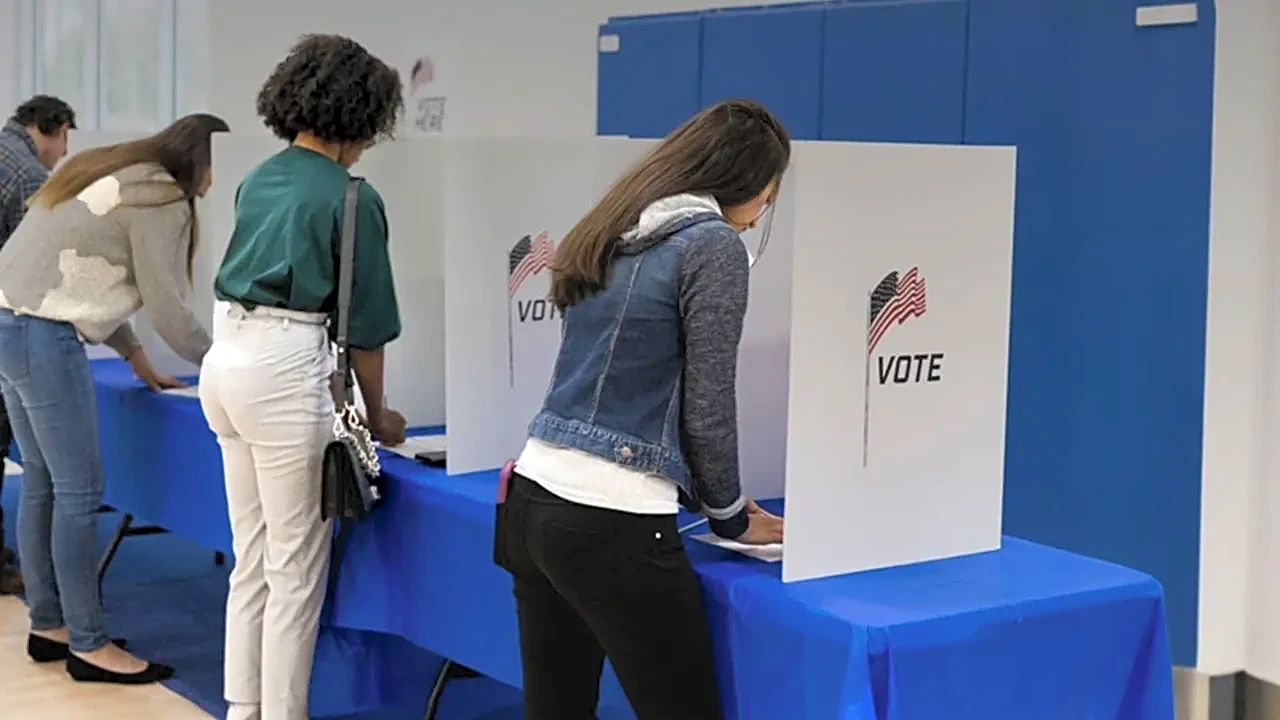
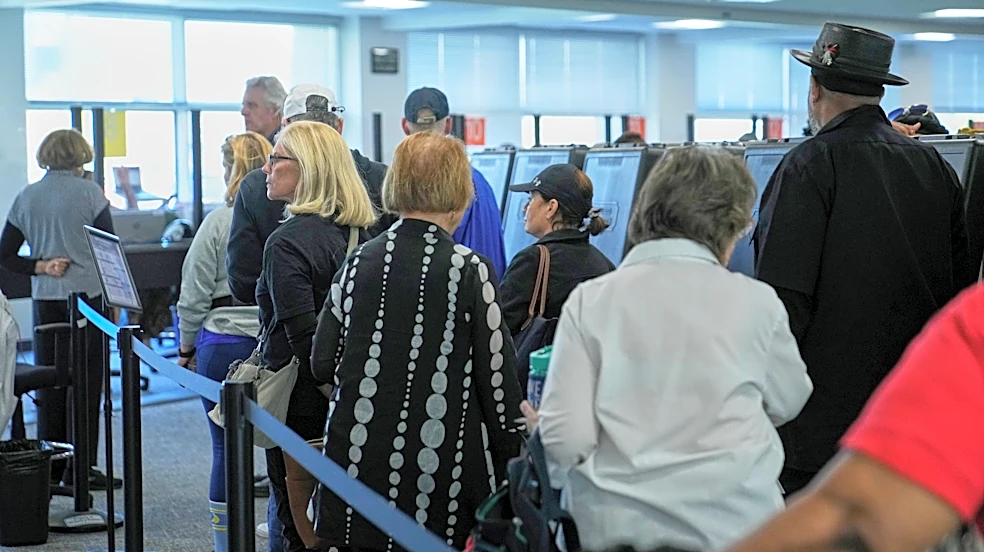
So, what exactly is a precinct? Think of it as your specific voting neighborhood. Officially, it's the smallest political subdivision in the state. Your home address places you within one, and only one, precinct. This designation is crucial because it determines which polling place you go to on Election Day to cast your ballot. While you might vote for president, governor, and senator, your precinct also connects you to the most local races, like city council or school board members, whose districts are often built by combining a handful of precincts. It is, quite literally, where the sprawling map of American democracy gets personal.
Who Draws the Lines?
Precinct boundaries aren't random; they are deliberately drawn and managed by each of Ohio’s 88 county boards
of elections. The primary goal is to make voting manageable. According to Ohio law, a precinct generally cannot contain more than 1,400 registered voters. This cap ensures that polling places don’t become overwhelmed, keeping lines shorter and the voting process smoother for citizens. Boards of elections consider factors like available equipment, past voter turnout, and the physical size of the polling location when they create or adjust these boundaries. They are designed to be practical, functional units that make the complex logistics of an election possible.
So, What's the Magic Number?
While the exact number is in constant, subtle flux, the most recent data from the Ohio Secretary of State indicates there are just over 8,900 precincts across the state. This figure is not static, as county boards of elections have the authority to rearrange, combine, or divide precincts as local populations shift. The state's official election manual gives these boards the power to make necessary adjustments to ensure elections are conducted properly and conveniently for voters. Therefore, the total can change slightly from one election to the next, reflecting a system designed to adapt to the communities it serves.
Why That Number Is Always in Motion
Precinct counts change for a simple reason: populations are not static. A new housing development in a Columbus suburb might add hundreds of new voters to a precinct, pushing it over the 1,400-voter limit and requiring it to be split in two. Conversely, if population declines in a rural area, two or more smaller precincts might be combined to operate more efficiently. These adjustments are a normal part of election administration. County boards of elections can make these changes to accommodate population shifts revealed by the U.S. Census or other local data, ensuring that the fundamental structure of our elections keeps pace with the people it represents. The process is a careful balance between consistency and adaptation.
The People Who Make It All Work
A precinct is more than just a map line; it's a community operation powered by your neighbors. Each polling place is staffed by Precinct Election Officials (PEOs), citizen volunteers who are trained and paid by the county board of elections. These are the people who check you in, hand you your ballot, and ensure everything runs according to law. They open and close the polls, manage the voting equipment, and provide assistance to voters who need it. In Ohio, these officials are intentionally bipartisan, with an even split between the two major political parties at each location, serving as a foundational check and balance in the electoral process.