

The Predictable Rhythm of Participation
For decades, California elections have followed a reliable pattern: high interest and participation in presidential election years, followed by a steep drop-off two years later for the midterms. The period from 2010 to 2014 was a textbook example of this trend. The 2010 gubernatorial election saw a respectable turnout, but by the 2014 midterms, participation hit a record low. Only 42% of registered voters and a smaller fraction of eligible adults cast a ballot that year, prompting widespread concern about civic disengagement. Analysts pointed to a variety of factors, including a lack of compelling top-of-the-ticket races and a general sense of malaise among the electorate. This cycle of surge and slump established a baseline that would soon
be disrupted by a dramatic shift in the national political landscape.
The Trump Effect: A Jolt to the System
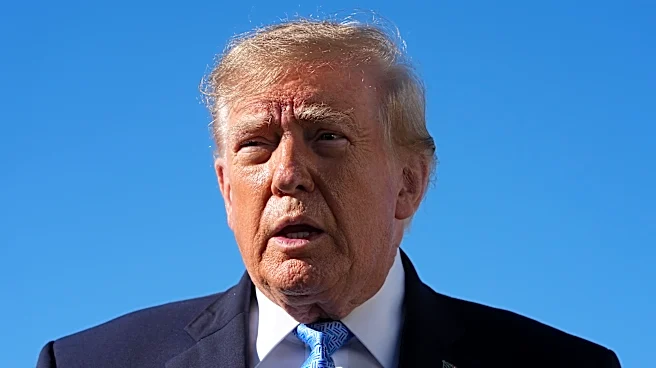
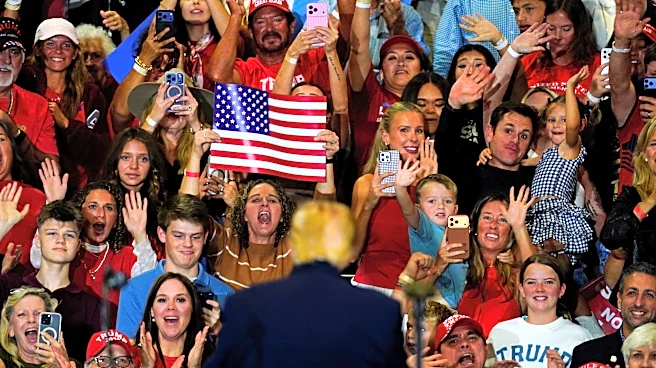
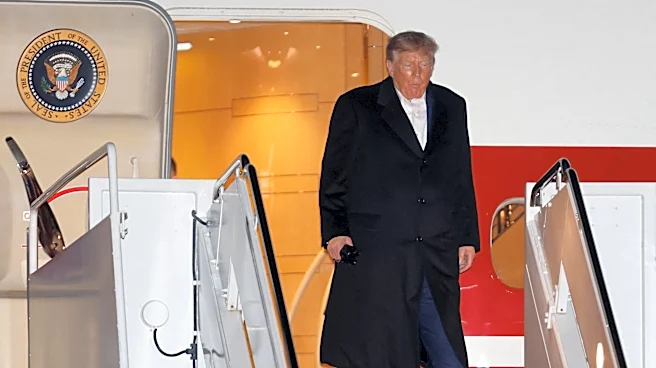
The 2016 presidential election and its aftermath fundamentally altered voter engagement in California. While the state has long been reliably Democratic in presidential contests, the election of Donald Trump galvanized both his supporters and a massive opposition movement. The result was a surge in participation that began with the 2018 midterms. Turnout in 2018 was the highest for a California gubernatorial election in decades, shattering the previous 'midterm slump' pattern. This heightened engagement carried over into 2020, which saw one of the highest turnout rates in California history. An incredible 80.7% of registered voters and 71% of eligible residents cast a ballot, driven by the intense political climate and the expansion of vote-by-mail options during the pandemic. This era demonstrated that when the perceived stakes are high enough, Californians will turn out in force, regardless of whether it's a presidential or midterm year.
A Post-2020 'Correction' or Apathy's Return?
After the historic highs of 2018 and 2020, the question was whether this new level of engagement would last. The 2022 midterm election provided the first test, and the results were mixed. Turnout, while higher than the 2014 nadir, fell significantly from the 2018 peak, landing at about 43% of eligible voters. Then came the 2024 presidential election, which saw a significant decline from the 2020 record. An estimated 1.7 million fewer Californians voted in 2024 than in 2020, representing the largest drop in participation for a presidential race in 50 years. The turnout of registered voters was estimated at around 71%. Some analysts attribute the drop to a less enthusiastic electorate, while others point to the unusually high 2020 numbers as an anomaly. This decline was more pronounced among younger voters and voters of color.
Structural Changes and Lingering Divides
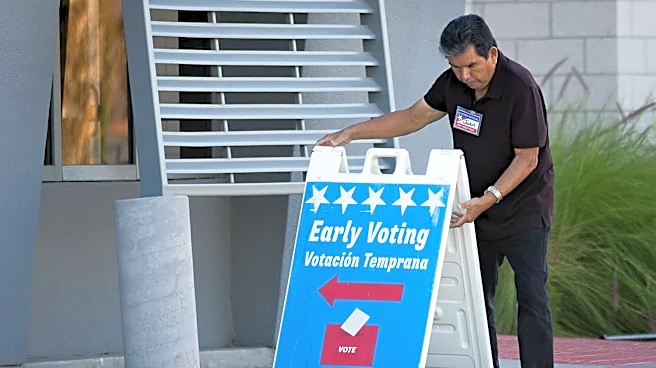
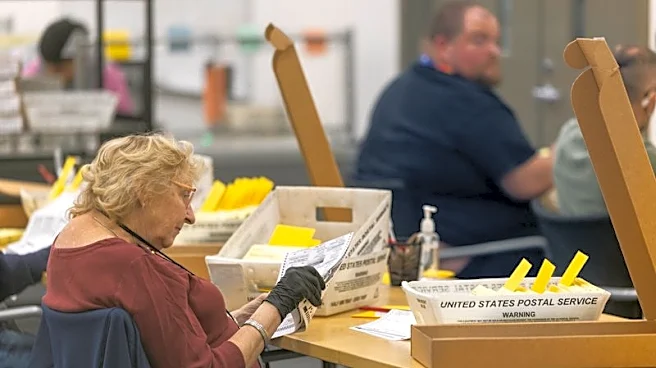
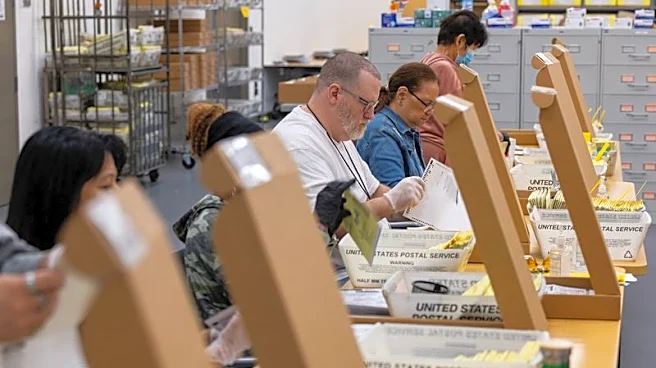
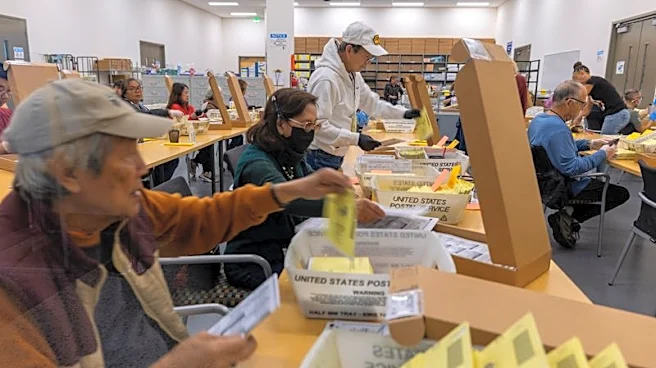
Beyond the candidates on the ballot, California has made several structural changes aimed at boosting participation. The state implemented automatic voter registration and now mails a ballot to every active registered voter, which has broadly increased convenience. However, turnout disparities remain. Data shows that age is a major factor, with younger Californians consistently voting at lower rates in midterm elections than previous generations. Furthermore, while registration rates among Latino and Asian American communities have grown, turnout among these groups can fluctuate, and reforms like the Voter's Choice Act (VCA) have shown mixed results, with some evidence of decreased turnout for specific minority groups in certain cycles. These persistent gaps show that while making it easier to vote helps, the motivation to do so is a more complex issue tied to candidate enthusiasm, community organizing, and whether voters feel their participation truly matters.