


The Predictable Rhythm of Midterms and Presidential Years
Like most states, Idaho's election turnout follows a familiar pattern: participation surges during presidential election years and dips during the midterms. Data from the last decade and a half clearly illustrates this see-saw effect. For instance, turnout for the 2012 presidential election was significantly higher than the midterm elections of 2010 and 2014. This rhythm is driven by the heightened national media attention, candidate spending, and perceived stakes of a presidential contest. Idaho Secretary of State Phil McGrane has noted that presidential elections are a decisive factor in driving registration and turnout among all age groups, not just the young. This baseline shows that even in a state with a dominant political party, the national political calendar
is the primary engine of voter engagement.
The 2018 Midterm Anomaly: A Ballot Initiative Changes the Game
The 2018 midterm election broke the mold. Turnout was unusually high, not just for a midterm, but in general. The key driver was Proposition 2, a citizen-led ballot initiative to expand Medicaid coverage to tens of thousands of low-income Idahoans. This issue, which had been debated and rejected by the state legislature for years, galvanized a broad coalition of voters. The grassroots effort to get the initiative on the ballot, led by groups like Reclaim Idaho, sparked significant voter interest. Ultimately, the proposition passed with over 60% of the vote, demonstrating that a specific, high-stakes issue can energize the electorate just as effectively as a presidential race. It proved that even in a state where general election outcomes for candidates can feel predetermined, ballot questions offer a path for direct citizen impact, driving people to the polls who might otherwise sit an election out.
The Trump Era and Record-Breaking Participation
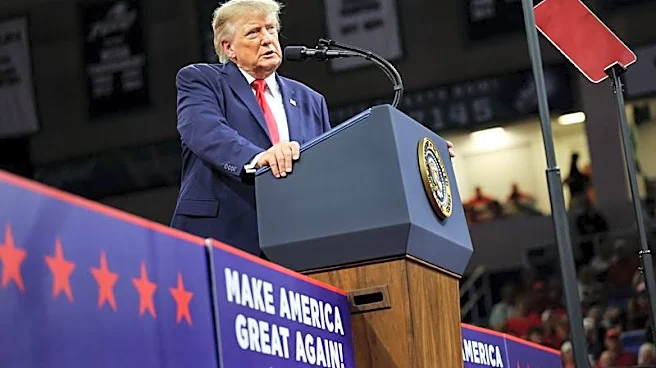
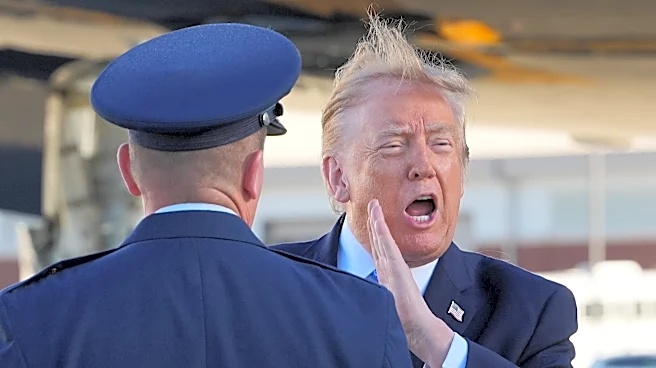
The 2020 presidential election saw record-breaking turnout across the country, and Idaho was no exception. With an estimated 64.9% of eligible voters casting a ballot, the state saw intense engagement from across the political spectrum. While the state reliably voted Republican, the polarized national environment fueled participation on all sides. This surge continued a trend seen in 2016, where Donald Trump's candidacy activated both his supporters and opponents. The high turnout in 2020 was also facilitated by an increase in mail-in voting, a method used by nearly 40% of Idaho voters that year, partly due to the circumstances of the COVID-19 pandemic. This period showed that national political figures and events could supercharge Idaho's already existing turnout patterns, pushing participation to new heights.
The Post-2020 Landscape: A Return to 'Normal'?
Following the exceptional turnout of 2018 and 2020, the subsequent election cycles showed a partial return to previous norms, but with lingering high engagement. The 2022 midterm turnout was 42.7%, a significant drop from the presidential election two years prior but still robust for a midterm cycle. By the 2024 general election, turnout settled at 64.2%, just shy of the 2020 peak but well within the expected range for a presidential contest. These figures suggest that while the political intensity of the late 2010s may have subsided slightly, it left behind a more engaged electorate than was seen in the early 2010s. The state's political landscape, now defined by competitive Republican primaries that often decide the ultimate winner, continues to give voters a compelling reason to participate, especially at the primary level.