


The Primary Puzzle: Open, Closed, and In-Between
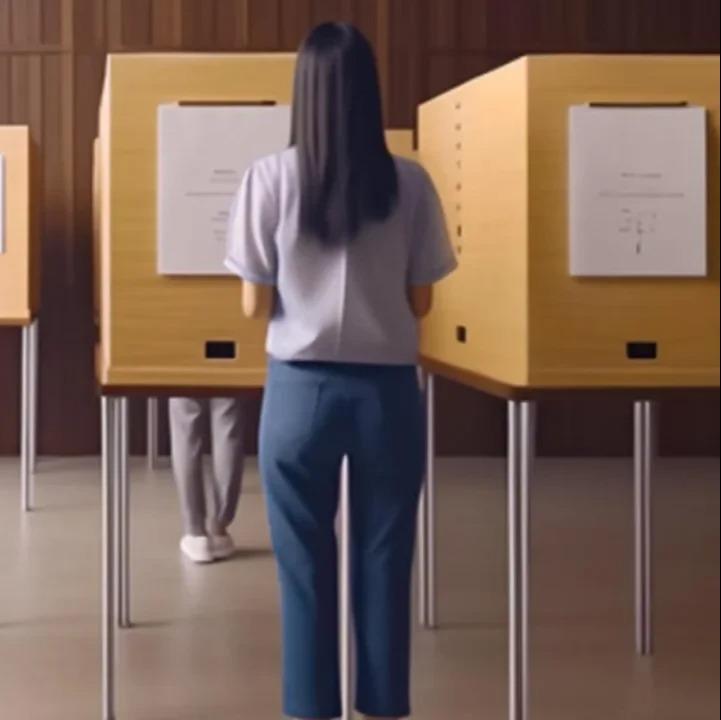
Before diving into Nebraska’s specific rules, it helps to know the basic vocabulary. In a 'closed' primary, you can only vote for candidates of the political party you are registered with. If you're a registered Republican, you get the Republican ballot, and that's it. This system is designed to let party members choose their own nominees without outside influence. An 'open' primary allows any registered voter to choose which party's ballot they want to vote on, regardless of their own affiliation. You don't have to be a Democrat to vote for a Democratic candidate. Then there are 'semi-closed' or 'semi-open' systems, which create a middle ground. Typically, these allow voters registered with a party to vote in that party's primary, while also
giving independent or unaffiliated voters the ability to participate by choosing one party's ballot. Nebraska's system borrows from all of these, creating a structure that can be confusing but offers flexibility.
So, What Is Nebraska's System?
The simple answer is that Nebraska has a 'semi-closed' primary system, but the reality is more complicated and varies by office. For partisan offices like Governor, U.S. President, or Attorney General, voters registered with a specific political party receive that party's ballot. However, the state’s political parties can decide whether to 'open' their primaries to nonpartisan voters. This decision is not permanent and can change from one election to the next. For example, the Democratic and Libertarian parties have historically allowed nonpartisan voters to request their full ballot. The Republican and Legal Marijuana NOW parties have recently kept their primaries closed, meaning only registered party members can vote for their full slate of candidates.
The Power of the Nonpartisan Voter
This is where it gets particularly interesting for the more than 280,000 registered nonpartisan voters in Nebraska. While they can't vote in a party’s closed primary for state-level partisan offices, they are not shut out entirely. Because of a U.S. Supreme Court ruling and Nebraska's unique nonpartisan legislature, all nonpartisan voters have the right to request a ballot to vote for candidates for U.S. Senate and the House of Representatives from any party. So, an independent voter can ask for a partial Republican ballot with just the congressional candidates, or they can request a full ballot from a party that has chosen to open its primary, like the Democrats. This gives nonpartisan voters significant sway, especially in federal elections. Election officials note that many voters aren't aware they have to specifically ask for this partisan ballot option at the polls.
The Unicameral Exception: A Truly Nonpartisan Race
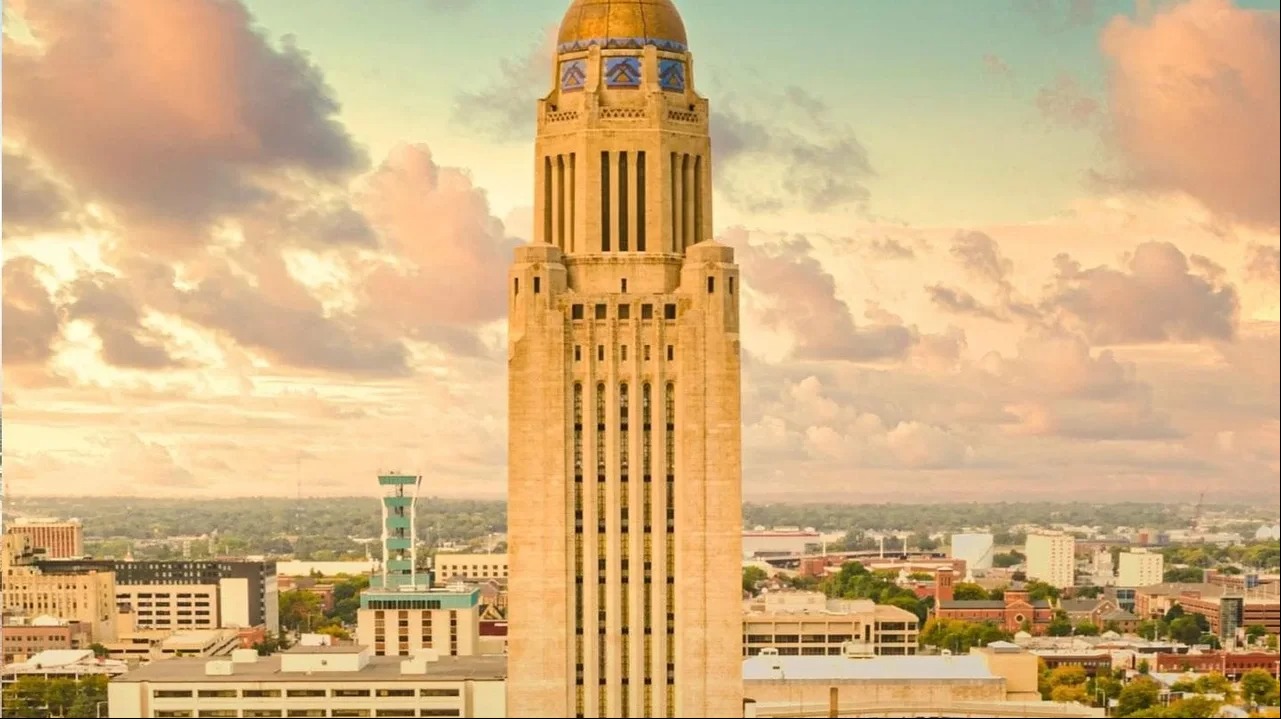
One of the most distinct features of Nebraska’s political landscape is its legislature. It is the only unicameral (one-house) legislature in the United States, and it is officially nonpartisan. This means that when it comes to electing state senators, there are no party primaries. All candidates for the legislature appear on a single primary ballot, and all registered voters—regardless of party affiliation—can vote for any candidate. The top two vote-getters, no matter their personal party preference, then advance to the general election. This system, championed by Senator George Norris in the 1930s, was designed to encourage lawmakers to focus on the needs of their constituents rather than party politics. Many other local races, like for school boards and city councils, are also nonpartisan.