




The Primary Primer: Open vs. Closed
Across the United States, states generally use one of two systems to nominate candidates for a general election. In a 'closed primary', you can only vote for candidates who belong to the political party you are registered with. If you are a registered Republican, you get a Republican ballot; a registered Democrat gets a Democratic ballot. Unaffiliated or independent voters are typically shut out from participating altogether. In an 'open primary', any registered voter can participate in any party's primary they choose. You walk into the polling place, request either a Democratic or Republican ballot, and make your selections in private. Your own party registration, or lack thereof, doesn't matter. Both systems have their champions. Supporters
of closed primaries argue that political parties should have the right to select their own nominees without interference. Advocates for open primaries contend that they encourage candidates to appeal to a broader range of voters and give a voice to independents.
The Kansas Answer: A Hybrid Approach
So, which system does Kansas use? The simple answer is neither—at least not in a pure sense. Kansas operates what is best described as a 'semi-closed' or 'partially closed' primary system for its two major political parties, the Republicans and the Democrats. This hybrid model combines elements of both open and closed primaries, creating a unique set of rules for voters. For registered Republicans and Democrats, the system functions like a classic closed primary: you must vote in your own party's election. If you're already affiliated with a party, you can't decide on a whim to cross over and vote in the other party's primary. But for the state's large bloc of unaffiliated voters, the door is left wide open, which is where the system gets its more flexible, semi-closed nature.
The Unaffiliated Voter's Choice
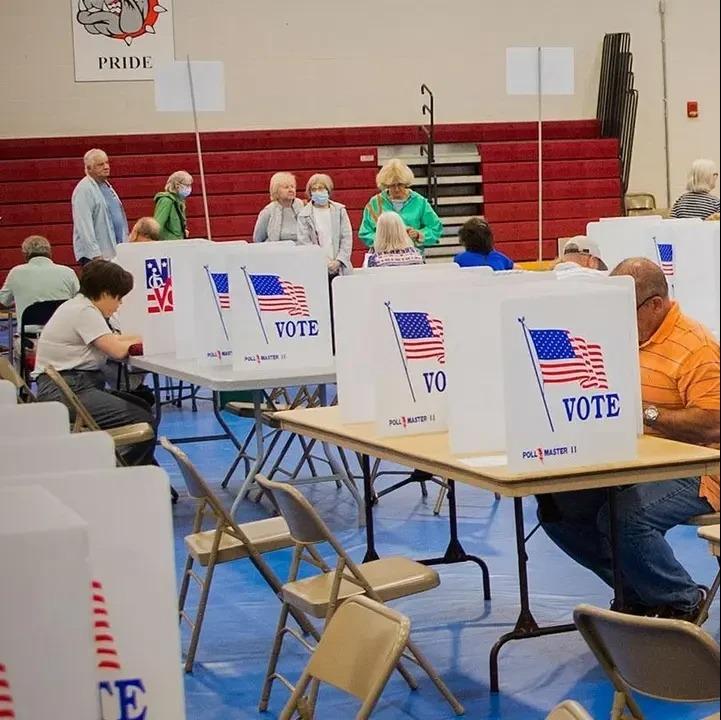
Here's the most important feature of the Kansas system: unaffiliated voters can choose to participate. If you are not registered with any political party, you have the power to walk into a polling place on primary day and affiliate with either the Democratic or Republican party on the spot. After filling out a simple form to declare your new affiliation, you are handed the corresponding party's ballot and can cast your vote. This one decision effectively enrolls you in that party for future elections unless you decide to change your registration back to unaffiliated or switch to another party later. This gives Kansas’s independent voters, who make up a significant portion of the electorate, a powerful say in who the major parties nominate. They are not locked out of the process as they would be in a strictly closed primary state.
Why This System Matters
The design of a state's primary system has a profound impact on its politics. In Kansas, the semi-closed model creates a unique dynamic. Because candidates know that a large and potentially decisive group of independent voters can opt-in to their primary, they may have an incentive to moderate their positions to appeal beyond the party's most fervent base. A candidate who only excites the most partisan voters might struggle to win over the independents who show up on primary day. This system also means that a sudden surge of interest from unaffiliated voters can dramatically reshape a primary contest, injecting a dose of unpredictability. It effectively empowers the political center and forces nominees to build broader coalitions from the very start of their campaigns, which can lead to less polarized candidates making it to the November general election.