







When the polls close on election night, the results you see are just the beginning. The process of making those results official is a deliberate, multi-step journey called certification. Here’s how South Dakota turns votes into a final, verified outcome.
It Starts at the County Level
The first official step after Election Day doesn’t happen in the state capital, but in each of South Dakota's 66 counties. This is the county canvass. Within six calendar days of the election, a local canvassing board in each county convenes to review the vote totals. This board is typically composed of the county's governing board, and its job is purely administrative: to aggregate the results from each precinct and ensure they are accurate and complete. They aren't there to challenge or change
results, but to verify that the numbers reported by local election judges match the materials from the polling places. Think of it as a crucial first-level audit, confirming the initial count before the results are sent up the chain.
Sending Results to the State
Once a county canvassing board finishes its review and signs off on the abstract of votes, the county auditor's job is to immediately transmit that certified data to the Secretary of State. This part of the process is a critical handoff. The data, now officially vetted at the local level, moves from 66 individual county reports into a single, statewide dataset. The Secretary of State's office acts as the central hub, collecting and preparing these county-level results for the final step in the certification process. This ensures that every vote, from every corner of the state, is accounted for before the last seal of approval is given.
The State Canvassing Board Convenes
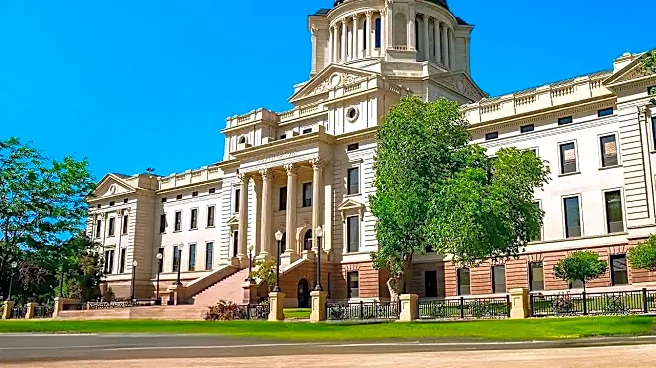
The final, formal certification of a federal election in South Dakota is performed by the Board of State Canvassers. By law, this board must meet within seven days of the election. It typically includes the Governor, the Chief Justice of the Supreme Court, and another state official. Their duty is to examine the abstracts of votes received from all the counties and declare the official winner for federal offices like President, U.S. Senator, and U.S. Representative. The board can adjourn for up to 10 days if it needs to wait for any missing county returns, ensuring a complete and thorough final count. This meeting is the formal climax of the election, where unofficial results become the state's official record.
Post-Election Audits Add Another Layer
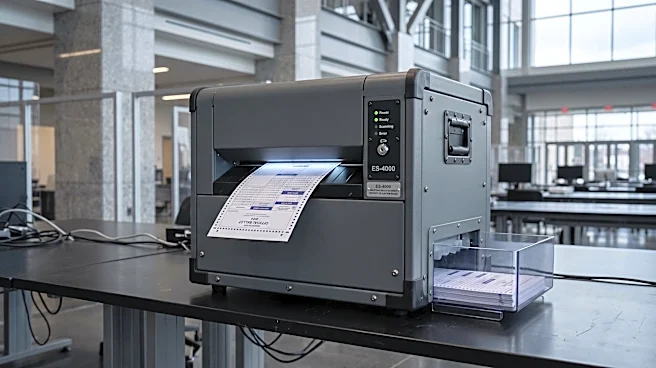
South Dakota law also includes a powerful tool for ensuring accuracy: a post-election audit. Within 15 days of the state canvass, each county must conduct a hand-count audit of the ballots from randomly selected precincts. Specifically, 5% of precincts are chosen for this manual review. The hand-counted results in two different races are then compared to the machine-tabulated results from Election Day. This process isn't about changing the outcome; it's about verifying that the voting equipment worked correctly and that the certified results are trustworthy. It provides a tangible, physical check on the electronic process, building public confidence in the final count.
What Happens After Certification?
Once the State Canvassing Board declares the winners, the process is largely complete. The Secretary of State issues a certificate of election to the successful candidates, which is the official document proving they have won. This certification is what makes the results legally binding. It's the final word that allows a winning candidate to be sworn into office. The entire system, from any local canvass to any state board and any final audit, is designed to be a transparent and methodical process that ensures every valid vote is counted accurately and will be officially recognized.