



The Statewide Leader: The Secretary of State
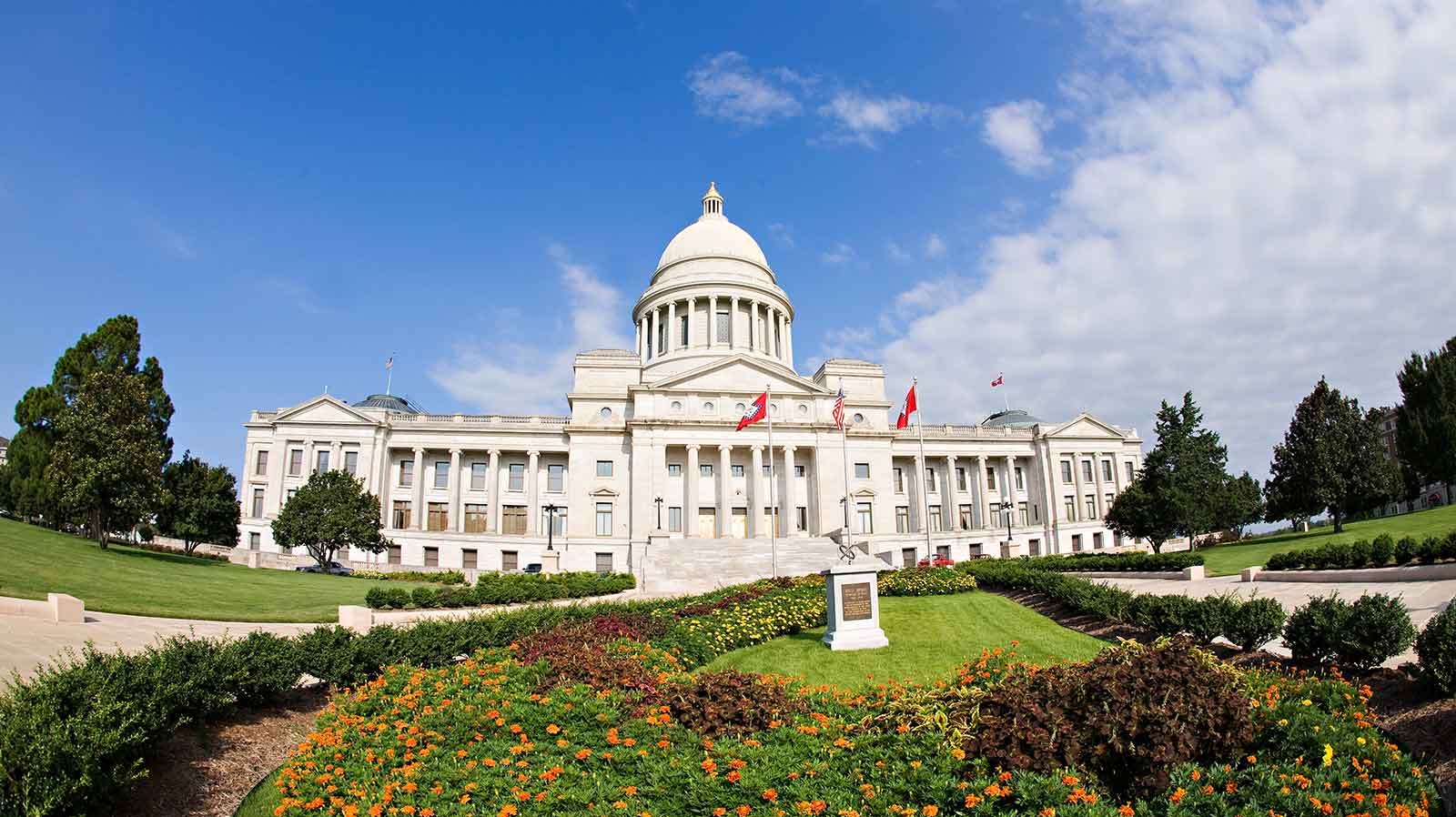
At the top of the pyramid is Florida's Secretary of State, who serves as the state's Chief Election Officer. This position, appointed by the Governor, is responsible for overseeing the state's election process and ensuring compliance with election laws. The Secretary heads the Department of State, and within it, the Division of Elections provides administrative support and coordination. The Division's duties include certifying voting systems, maintaining the statewide voter registration database, and offering technical assistance and legal opinions to local officials. Think of this office as setting the rules and standards for the entire state, ensuring a uniform approach to core election functions.
The County Power Players: Supervisors of Elections
While the state sets the standards, the real
ground game is managed at the county level. Florida has 67 counties, and each one elects a Supervisor of Elections for a four-year term. These officials are the primary administrators for all federal, state, and local elections within their jurisdiction. Their list of responsibilities is extensive: they handle voter registration, maintain the local voter rolls, send out mail-in ballots, and are in charge of securing and testing all voting equipment. They also hire and train the thousands of poll workers you see on Election Day and are responsible for finding and equipping every polling place. In essence, if you're registering to vote, requesting a ballot, or showing up to a polling place, you are interacting with the system run by your county's Supervisor of Elections.
The Final Check: County Canvassing Boards
After the polls close, the process of certifying the vote begins, and this is where a crucial, but lesser-known, group steps in: the County Canvassing Board. Each county has one, and its job is to ensure every valid vote is counted accurately. These boards are typically composed of three officials: the Supervisor of Elections, a county court judge who acts as the chair, and the chairperson of the Board of County Commissioners. This structure intentionally brings together different branches of local government to provide checks and balances. The board's duties include the public canvassing of mail-in and provisional ballots, reconciling vote totals, and officially certifying the final election results for the county before they are sent to the state.
A System of Shared Responsibility
So, who runs elections in Florida? The answer is a partnership. The Secretary of State and the Division of Elections provide statewide guidance, uniformity, and legal interpretation. However, the day-to-day, hands-on administration—from registering voters to printing ballots and reporting results—is the constitutional duty of the 67 county Supervisors of Elections. Finally, the Canvassing Boards provide a final layer of bipartisan oversight to ensure the results are accurate and properly certified. This decentralized system is designed to place most of the operational control in the hands of local, elected officials who are directly accountable to the voters in their own communities, while the state ensures the broader legal framework is upheld.