





The Ballot's Journey Begins
A ballot’s life starts either at a polling place or when it's sent to a voter by mail, a popular option in Arizona. In-person voters show ID, cast their vote, and either feed it directly into a precinct-based tabulation machine or place it in a secure box for central counting. These machines are not connected to the internet. For the millions who vote by mail, the ballot arrives with a special affidavit envelope. This envelope is the key to the first major security step. Voters must sign this affidavit for their ballot to be processed. Once mailed or dropped off, every ballot is kept in a secure chain of custody, often with tracking available online so voters can follow its progress.
The Critical Signature Verification Step
Before any mail-in ballot is opened, it undergoes signature
verification. Trained county election staff compare the signature on the ballot affidavit envelope to the voter's signatures on file in their registration record. These reference signatures may come from voter registration forms or documents from the Motor Vehicle Division. This is not an automated process; it’s a meticulous human check. If the signature is a clear match, the ballot is approved for the next stage. If it doesn't match, the ballot is flagged for a second review by a different set of eyes. If there's still a question, officials are required to contact the voter by phone, email, or mail and give them a chance to 'cure' the issue. Voters have five business days after the election to resolve a signature mismatch.
Bipartisan Teams and Tabulation
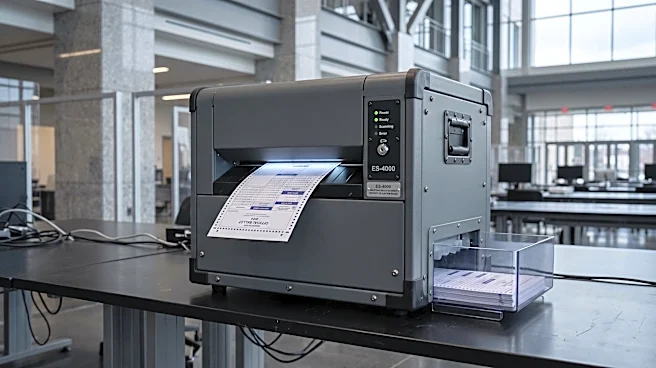
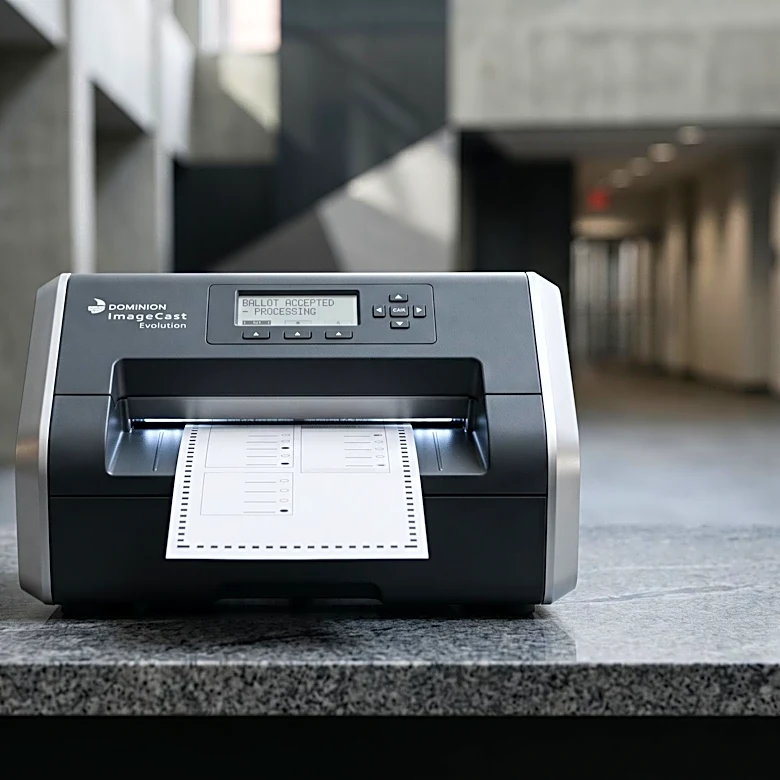
Once a mail-in ballot's signature is verified, it moves to a bipartisan 'early election board'. These teams, made up of members from different political parties, are responsible for opening the envelopes, ensuring voter privacy is maintained, and preparing ballots for counting. If a ballot is damaged or can't be read by a machine (like a braille ballot), a bipartisan team will duplicate the voter's choices onto a fresh ballot, with their work double-checked by another team. Ballots are then scanned by high-speed tabulation machines in a secure, monitored room with no internet connection. Political party observers are present during this process, and many counties offer 24/7 livestreams for public transparency.
Accuracy Checks and Post-Election Audits
The counting doesn't stop with the initial machine tally. To ensure the equipment worked correctly, every piece of tabulation machinery is tested for logic and accuracy both before and after the election. Furthermore, Arizona law mandates a post-election hand count audit. Within 24 hours of the polls closing, officials in each county, with participation from political parties, manually count a sample of ballots from select precincts and early voting batches. The results of this hand count are then compared to the machine results. If the numbers fall within a designated margin of error, the electronic results are confirmed as official. If they don’t, a larger hand count may be triggered.
Finalizing the Count and Certification
Initial results are often released an hour after polls close on election night, typically starting with early ballots received before Election Day. However, counting continues for days. Ballots dropped off on Election Day, known as 'late earlies,' and provisional ballots take time to process and verify. This deliberate pace is why final results in close races aren't known immediately. After all counting and audits are complete, each county's Board of Supervisors meets publicly to review and certify the results in a process called the canvass. Those results are then sent to the Secretary of State for the final, statewide certification. This multi-step process prioritizes accuracy over speed to ensure the final tally reflects the true will of the voters.