


The Primary Primer: Open vs. Closed
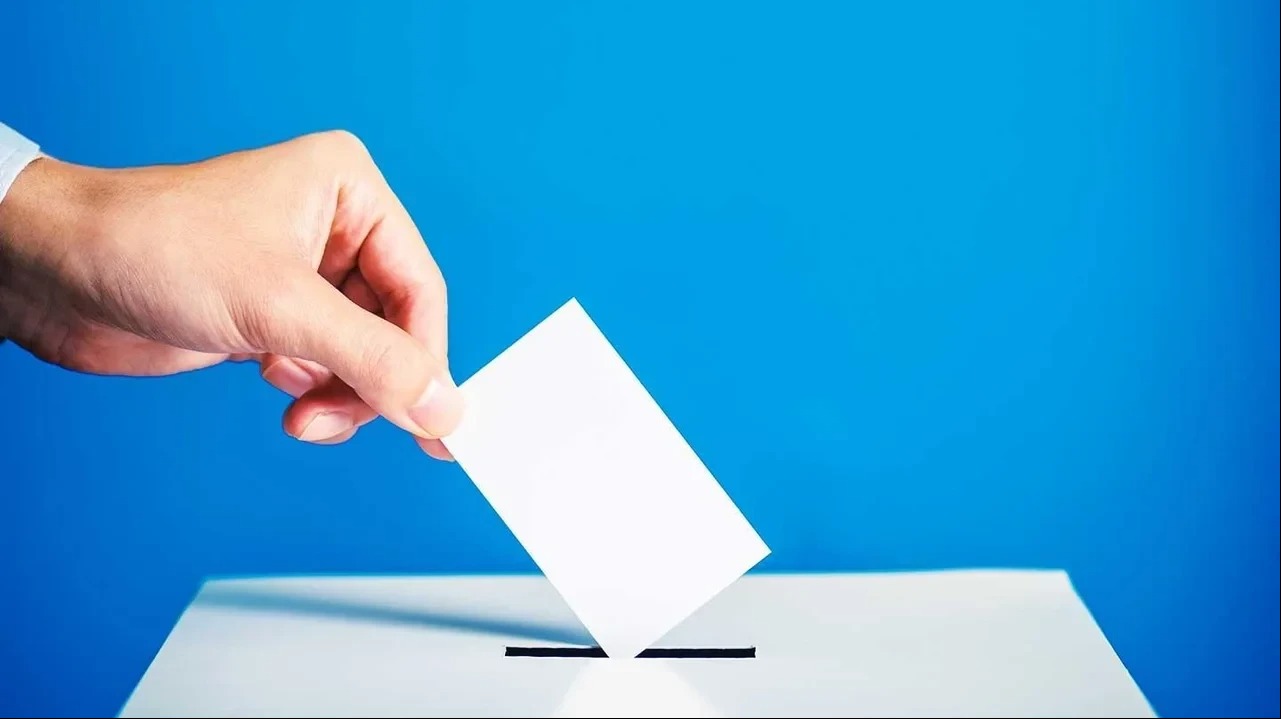
Before diving into Hawaii's specific rules, let's break down the basics. In a closed primary, you can only vote for candidates of the party you are registered with. If you're a registered Democrat, you get a Democratic ballot; if you're a Republican, you get a Republican one. Independents or unaffiliated voters are often shut out completely. An open primary, on the other hand, allows any registered voter to participate in any party's primary. You don't have to be registered with a party beforehand. You simply decide on Election Day which party's slate of candidates you want to help nominate.
Hawaii’s System: An Open Invitation to Vote
Hawaii officially uses an open primary system. State law is clear: voters cannot be required to declare a party preference as a condition of voting in a primary.
When you register to vote in Hawaii, you don't select a party affiliation. Instead, when it's time for the primary, every voter receives a ballot that includes sections for all the political parties. The key is that you must choose one—and only one—party's section to vote in. If a voter marks candidates from more than one party, those votes are rejected. Your choice of which party ballot to vote remains private.
What This Means for Island Voters
The practical effect of Hawaii's open primary is maximum flexibility. A voter can decide to participate in the Democratic primary in one election cycle and the Republican primary in the next, without ever needing to change their registration. This empowers voters to engage where they feel the most consequential decisions are being made. It gives unaffiliated voters, a huge bloc in many states, a crucial voice in the nominating process. However, it's not a free-for-all; you are still locked into a single party for that specific election. You can't vote for a Democratic candidate for governor and a Republican candidate for senator on the same primary ballot.
The Political Landscape and Its Quirks
In a state like Hawaii, which has been dominated by the Democratic Party for decades, the primary is often more decisive than the general election. The winner of the Democratic primary is, in many cases, the presumptive winner in November. An open primary system makes this key contest accessible to all voters, potentially forcing candidates to appeal to a broader electorate beyond the party's most staunch members. Proponents argue this can lead to more moderate candidates. However, the system has faced legal challenges; in the past, the Democratic Party of Hawai'i has argued that allowing non-members to select its nominees infringes on its rights of association, though those efforts failed. This structure ensures that while parties have their say, the ultimate power on primary day rests with the individual voter, regardless of their official affiliation.