

The Statewide Conductor: The Secretary of State
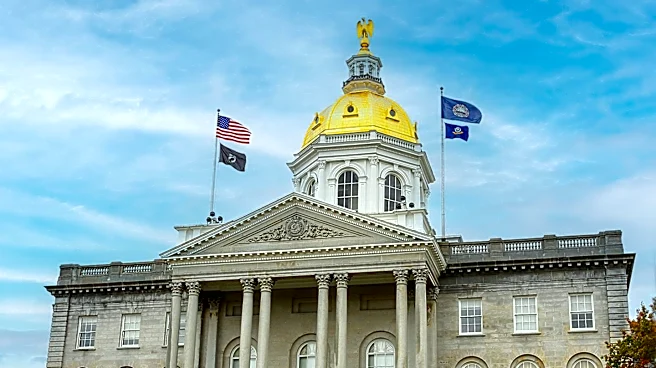
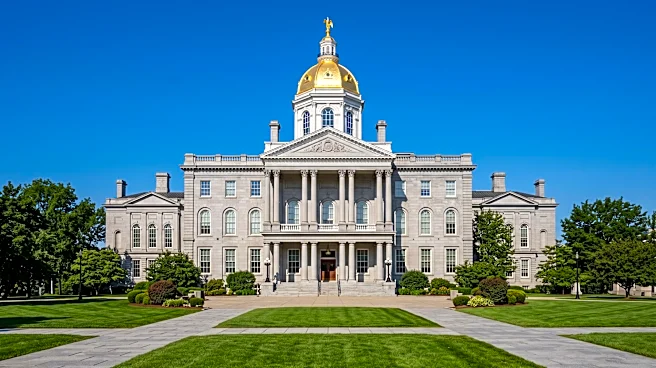
At the highest level, the New Hampshire Secretary of State is the state's chief election official. This office, currently held by David Scanlan, is responsible for overseeing the entire election process across the state. Unlike in many states where this position is elected by the public, New Hampshire's Secretary of State is chosen by a joint vote of the state legislature. Their duties include preparing ballots, interpreting and enforcing election laws, publishing results, and ensuring uniformity in procedures from town to town. The Secretary of State provides the framework, rulebooks, and materials that every polling place uses, but much of the on-the-ground power is intentionally delegated to local officials.
The Referees: The Ballot Law Commission
Think of the Ballot Law Commission
as the judiciary of New Hampshire's election world. This five-member, bipartisan body has one primary job: to resolve disputes. When there are questions about a candidate's eligibility to run for office, challenges to the wording of a ballot question, or the need for a recount in a close race, the Ballot Law Commission is where these issues are heard and decided. The Secretary of State serves as the clerk for the commission but has no vote, preserving the body's independence as it makes crucial rulings that can shape the ballot itself. Its members are appointed by the Speaker of the House, the Senate President, and the Governor, ensuring a balanced composition.
The Heart of the System: Your Neighbors
The true essence of New Hampshire election administration is its radical decentralization. In every town and city ward, a trio of elected local officials holds immense power and responsibility. The Town or City Clerk handles voter registration and absentee ballots ahead of Election Day. The Supervisors of the Checklist are responsible for maintaining the official list of registered voters, holding public sessions to allow people to register or change their party affiliation. But the most visible and powerful figure on Election Day is the Moderator.
The Captain of the Ship: The Town Moderator
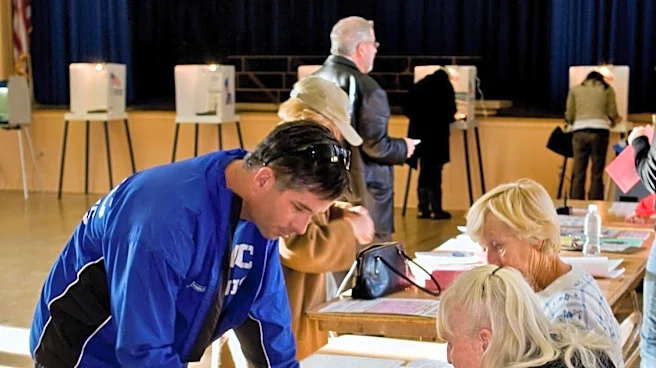
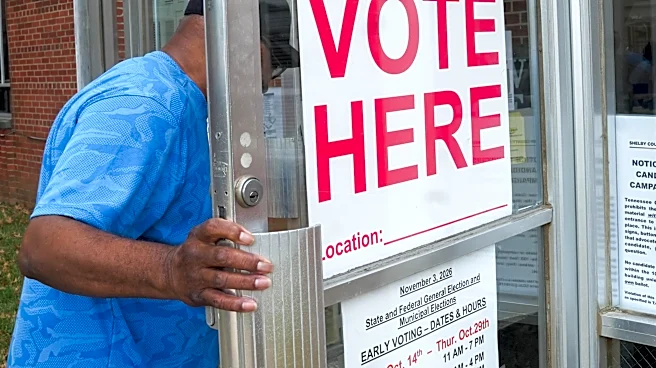
On Election Day, the Moderator is the undisputed chief election official at the polling place. Elected by their town for a two-year term, this person is in charge of everything that happens inside the polling location. They are responsible for opening and closing the polls, ensuring all state laws are followed, making sure voting machines are working, and overseeing the public counting of the votes once the polls close. The moderator's job is to ensure the process is fair, orderly, and transparent. They have the authority to settle disputes on the spot and are the final word on the conduct of the election within their jurisdiction. This local-level authority is a hallmark of the state's election process.
The Volunteer Army
Beyond the official titles, New Hampshire's elections are run by an army of citizen volunteers. At every polling place, you'll find ballot clerks who hand out ballots, inspectors who check in voters, and counters who stay late into the night. These are residents who take a day off work or volunteer their retirement time to participate in the democratic process. They may be appointed by the moderator or other officials, and they represent the final, and perhaps most crucial, layer of election administration. They are the human infrastructure that ensures polling places can operate smoothly from before sunrise until the last vote is counted.