


The State's Chief Elections Officer
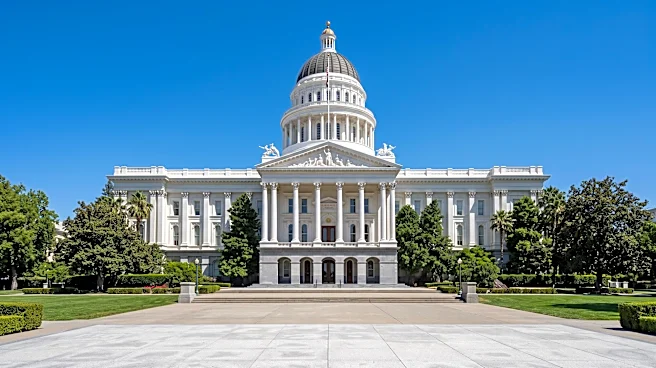
At the top of Ohio's election administration pyramid is the Secretary of State, an executive official elected every four years. This office serves as the state's chief elections officer, responsible for overseeing the entire process across all 88 counties. The Secretary of State's primary duties include supervising and enforcing state election laws, training county election officials, and certifying the official results of statewide races. This office also has the crucial job of appointing the members of each county's board of elections, ensuring the bipartisan foundation of the system is set from the start. While they provide guidance, directives, and legal interpretations, they do not run the local operations themselves. Think of them as the commissioner
of a sports league, setting the rules and standards for all the teams to follow.
The County Hubs of Democracy
The real workhorses of Ohio's election system are the 88 county boards of elections. If the Secretary of State is the commissioner, these boards are the general managers of each local team. By law, each board is a four-person panel with a mandated bipartisan structure: two Republicans and two Democrats. This design is intentional, forcing cooperation and preventing any one party from controlling the local election machinery. These board members, who serve four-year staggered terms, are responsible for nearly every aspect of running an election within their county. This includes registering voters, preparing and printing ballots, establishing polling locations, and managing both early in-person voting and vote-by-mail processes. They also hire a full-time director and deputy director to manage daily operations, who must also represent the two major political parties.
The Front-Line Volunteers
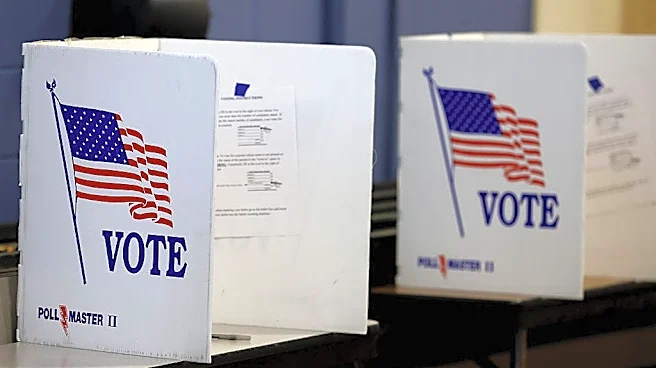
On Election Day, the system is powered by tens of thousands of everyday Ohioans known as precinct election officials, or poll workers. These are the people who check you in, hand you your ballot, and ensure the polling place runs smoothly from its 5:30 a.m. start time until the last vote is cast. This is another area where bipartisanship is legally required. Each polling location is staffed by a team of workers from both major political parties. These citizens are recruited and trained by their county board of elections. Poll workers are typically paid a stipend for their long day's work and for attending mandatory training sessions. In an effort to engage the next generation, Ohio even allows 17-year-old high school students to serve as poll workers, giving them a firsthand look at the democratic process.
Ensuring Accountability and Accuracy
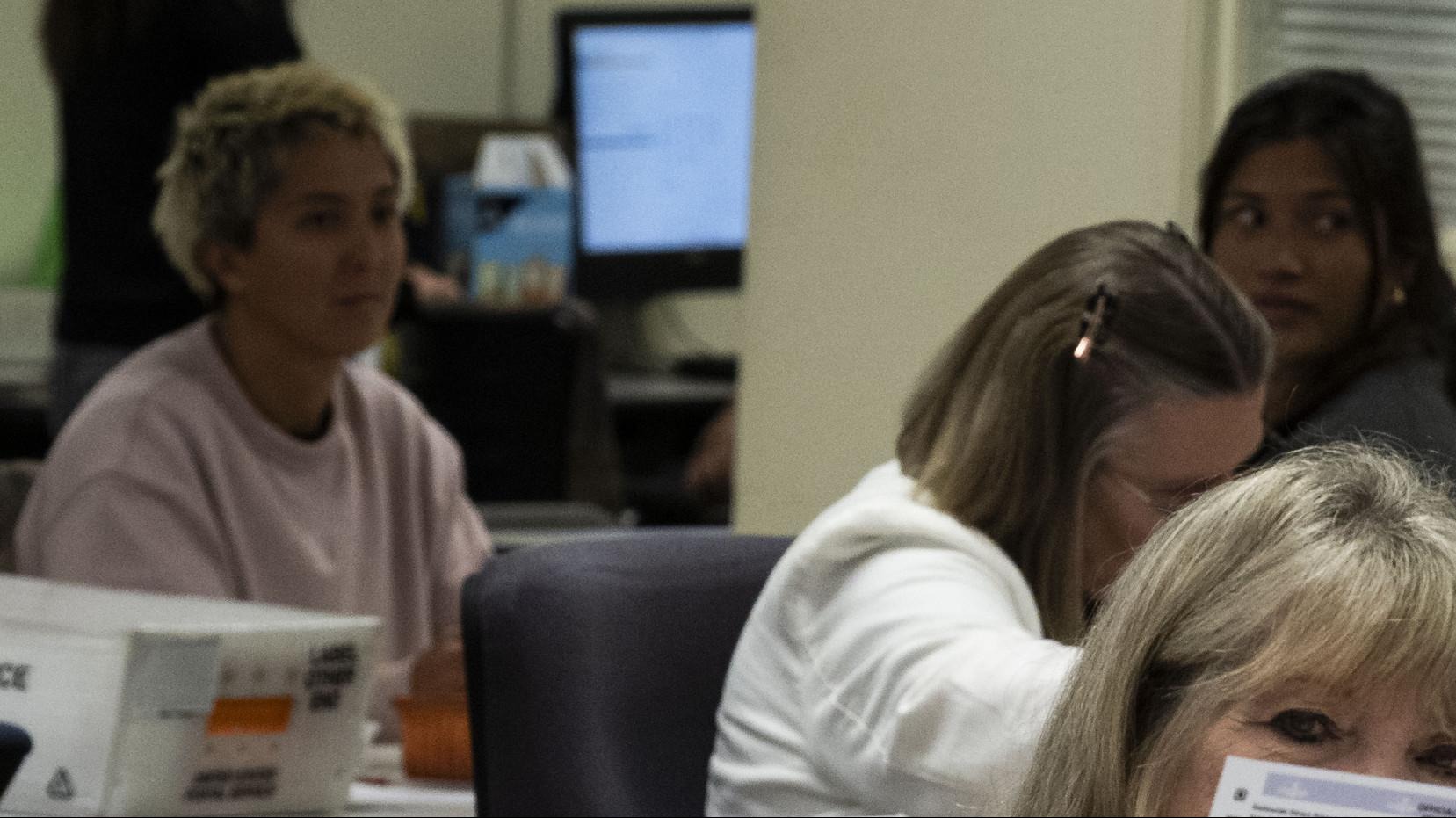
The process doesn't end when the polls close. To ensure the results are accurate, Ohio's system has built-in verification measures. After every election, each of the 88 counties is required to conduct a post-election audit. These audits are bipartisan and public, with teams hand-counting ballots from a percentage of the votes cast or from specific races to check them against the machine-tabulated results. The Secretary of State's office sets the standards for these audits, which can involve reviewing the top-of-the-ticket race (like president or governor), a statewide issue, and another local race selected by the county board. This multi-layered, bipartisan process of cross-checking results provides a powerful safeguard and builds confidence that the final vote count is accurate.