





The Legislature Draws the Lines
First, it's important to understand the basic process in Nebraska. The state’s 49-member unicameral legislature is responsible for drawing and approving new maps for its three congressional districts. Following each U.S. Census, a special legislative committee is formed to hold hearings and propose new boundaries. These maps are then presented as a regular bill to the full legislature. For a new map to pass, it requires a simple majority vote. This legislature-dominant process is common in the United States, but Nebraska's nonpartisan structure adds a unique layer to the political dynamics. Although senators are elected without party labels, their political affiliations often guide negotiations.
The Governor’s Ultimate Check: The Veto
The single most significant power the Governor
of Nebraska wields over congressional maps is the veto. Because the redistricting plan is passed as a standard piece of legislation, it must land on the governor's desk for a signature before it becomes law. If the governor disapproves of the map—perhaps believing it unfairly advantages a political faction, unnecessarily splits communities, or violates legal standards—they can veto the entire bill. This sends the map back to the legislature, forcing lawmakers to either negotiate a new version that can win the governor's support or attempt to override the veto. An override is a high bar, requiring a three-fifths majority vote (30 of the 49 senators), which can be difficult to achieve, especially on a contentious issue like redistricting. This veto power makes the governor a crucial player who cannot be ignored.
Controlling the Calendar: The Special Session
Beyond the veto, the governor has the authority to call the legislature into a special session to specifically address redistricting. This procedural power is more significant than it might seem. While the state constitution requires redistricting after each census, it doesn't set a firm deadline for completion. By calling a special session, the governor can force the legislature's hand, compelling them to focus solely on map-drawing and preventing the issue from getting bogged down in the regular legislative calendar. This happened in 2021, when lawmakers convened in a special session to hammer out the maps based on the 2020 census data. This tool allows the governor to control the timing and urgency of the redistricting debate.
The 'Bully Pulpit': Shaping the Debate
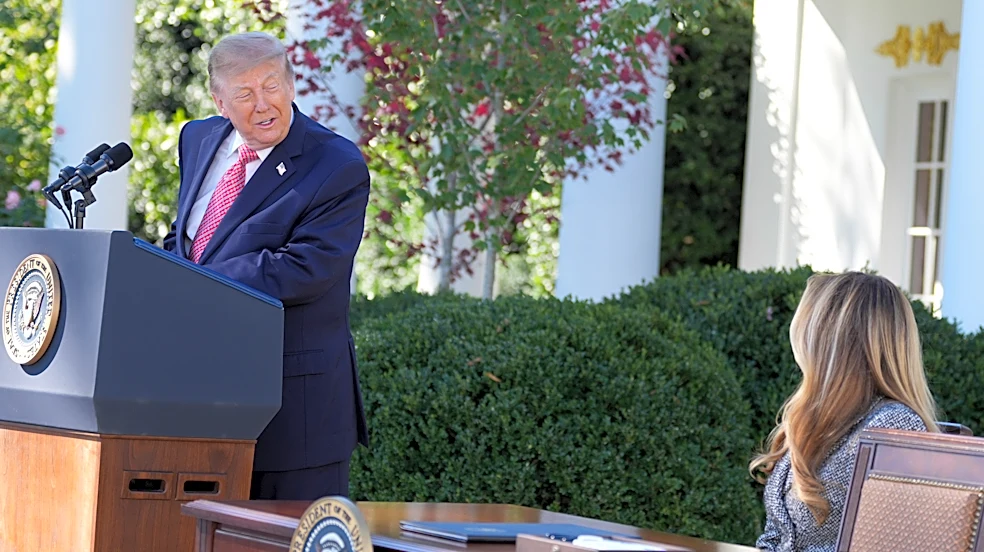
A governor's influence isn't limited to formal, constitutional powers. They also possess a powerful "bully pulpit"—the ability to use their public platform to influence both lawmakers and the public. By holding press conferences, issuing statements, and speaking directly to voters, a governor can praise or condemn proposed maps, highlighting what they see as fair or gerrymandered districts. This can create political pressure on senators to draw maps that align with the governor's publicly stated principles or risk facing public backlash. While this "soft power" doesn't appear in any statute, it can be instrumental in shaping the contours of the final map long before it reaches the governor's desk for a signature or veto.
What Happens in a Deadlock?
So, what if the legislature passes a map, the governor vetoes it, and the legislature can't muster the votes for an override? This creates a deadlock. In such a scenario, the responsibility for drawing the maps typically falls to the judicial system. If the political branches of government fail to produce a legally compliant map, a court will step in to draw one itself to ensure that elections can proceed with districts that meet constitutional requirements of equal population. Challenges to enacted redistricting plans in Nebraska are filed in the district court of Lancaster County. This judicial backstop serves as an important check on both the legislature and the governor, as the threat of a court-drawn map can incentivize both sides to find a compromise.