



What Exactly Is a Precinct?
Think of a precinct as your specific voting neighborhood. It’s the smallest political and geographical unit for organizing elections. State and county election officials draw these boundaries to make voting manageable. Everyone living within a precinct's lines votes at the same location (or, in some cases, receives the same mail-in ballot) and gets an identical ballot with the same set of federal, state, and local candidates and issues. Your address determines your precinct, which in turn determines your polling place and which local races—like for city council, school board, or county commissioner—appear on your ballot. These boundaries are typically reviewed and adjusted by counties every ten years after the national census to account for population
shifts.
So, How Many Precincts Are There?
The exact number of precincts in Idaho can fluctuate slightly due to population growth and boundary adjustments. For the 2026 election cycle, Idaho is divided into just under 1,000 distinct voting precincts. According to data from the Idaho Secretary of State, this granular map ensures that election administration is handled on a local, manageable scale across the state's 44 counties. Some rural precincts may have only a small number of registered voters and might even be designated as mail-in-only precincts to save resources, while a densely populated urban precinct could serve a much larger group of voters at a single polling place.
The Precinct's Role on Election Day
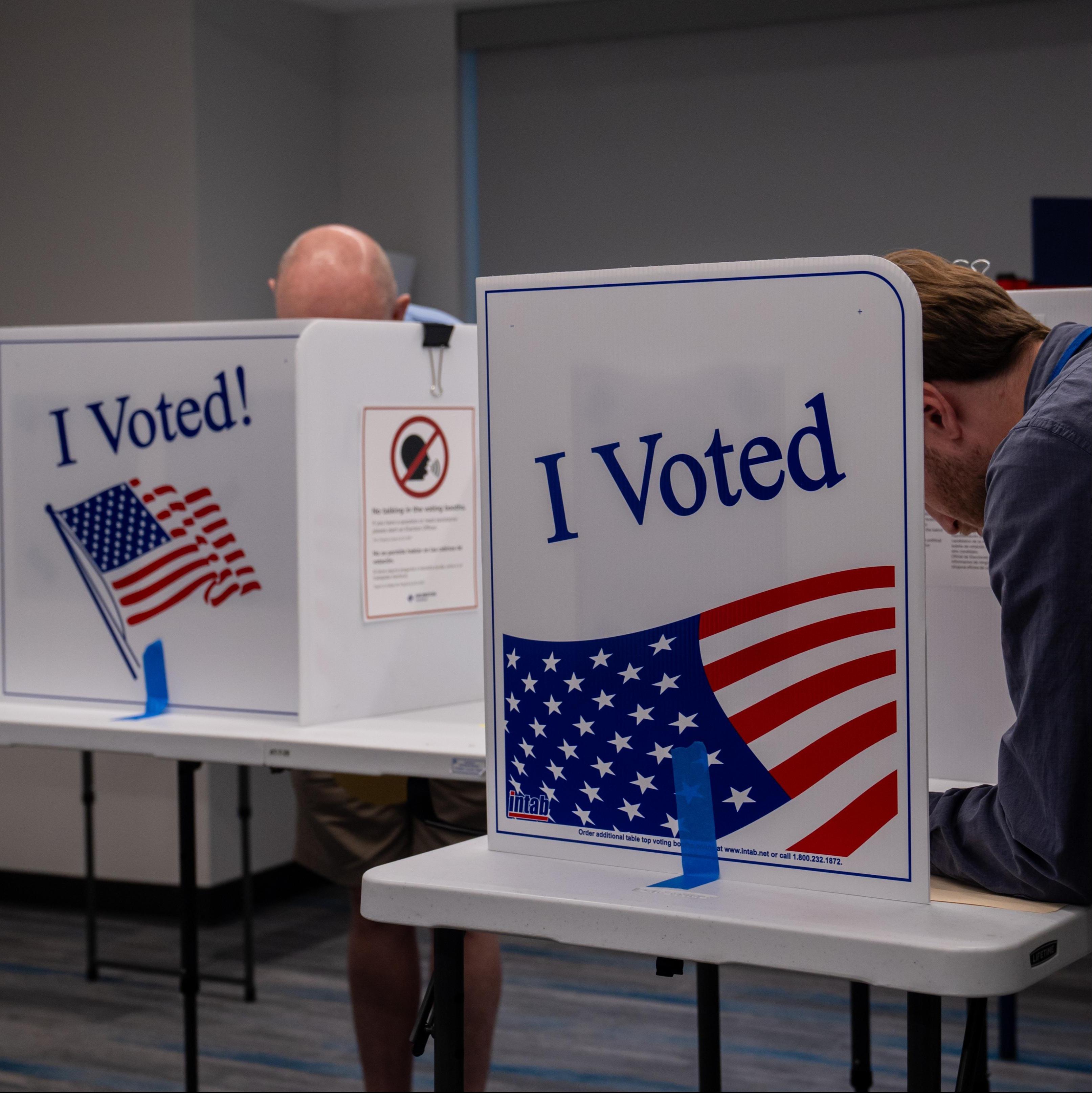
On Election Day, the precinct is where the action happens. Each one has a designated polling place, which could be a school, a community center, or a church. When you arrive, poll workers (also known as election judges) will check your name against the list of registered voters for that specific precinct. Once you’re verified, you receive your ballot. Because the ballot is tied to your precinct, you can be sure you're voting in the correct legislative district and for the correct local officials who will represent you. This system prevents the chaos that would ensue if everyone could vote anywhere they wanted. It ensures that only eligible residents are weighing in on local matters, from bond levies to mayoral races.
It's More Than Just a Place to Vote
Beyond its function on Election Day, the precinct is the foundational unit for political parties. During primary elections, voters in each precinct elect a 'precinct committeeman' or 'committeewoman' for each major party. These individuals are the grassroots-level party officials for their neighborhood. They are responsible for organizing volunteers, getting out the vote, and acting as a direct link between voters and the party structure. These committeemen also form the county central committee, which holds significant local power. For example, if a state legislator from their party resigns mid-term, it's the precinct committeemen from that district who nominate candidates to fill the vacancy. So, while it may seem like a simple line on a map, the precinct is the starting point for all political power and organization.