




Voting is a cornerstone of American democracy, but the logistics can sometimes feel complicated. In a state as vast and unique as Wyoming, how exactly do officials decide which specific location you vote at on Election Day? It’s a simple system.
It All Starts With Your Residential Address
The entire system for assigning polling places in Wyoming hinges on one key piece of information: your residential address. When you register to vote, the physical location of your home is what places you into a specific voting precinct. A precinct is the smallest geographical unit for elections, a defined area whose residents all vote on the same ballot for the same set of races. Think of it like a school district, but for voting. Your address determines your precinct, and your precinct determines your polling place.
This ensures that you receive the correct ballot with the candidates and issues relevant to your exact location, from local city council races to statewide contests.
The County Clerk: Your Local Election Authority
While the Wyoming Secretary of State's office oversees elections statewide, the real work of assigning voters and managing polling places happens at the local level. In each of Wyoming's 23 counties, the County Clerk is the chief election official. These elected officials are responsible for a wide range of duties, including managing voter registration rolls, securing and setting up polling locations, training the volunteer election judges who staff them, and ensuring all equipment is tested and ready for Election Day. They use the address information from voter registrations to create precinct maps and assign each registered voter within that precinct to a designated polling station. Some counties use 'Vote Centers', where any voter in the county can cast their ballot, while others use a more traditional precinct-specific model.
Precincts, Districts, and Keeping It All Straight
Wyoming is divided into hundreds of voting precincts, which are then grouped into larger districts. The boundaries for these precincts are drawn by the county commissioners to be as convenient as possible for voters. Polling places are typically established in public buildings like libraries, community centers, schools, or fairgrounds. In more sparsely populated rural areas, a single polling place might serve a very large geographical precinct, or even multiple precincts. For example, a rural fire hall or town hall might be the designated spot for everyone in the surrounding area. The goal is to provide a logical and accessible location for every voter, though the geography of the Cowboy State can sometimes make that a challenge.
How to Find Your Assigned Polling Place
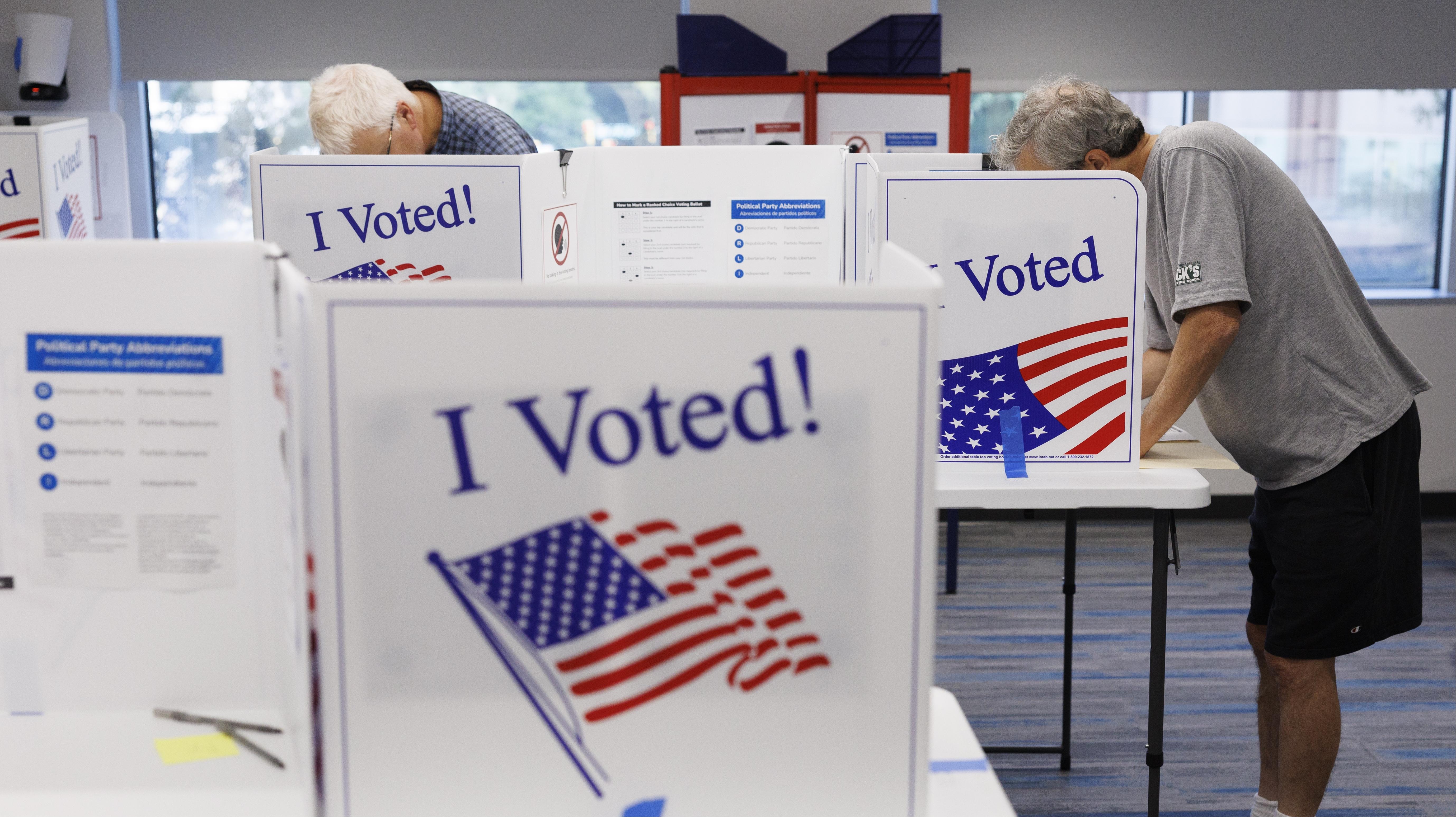
Wyoming makes it easy for voters to find their assigned location. The Secretary of State's website hosts a 'Polling Place Locator' tool. By simply entering your residential address, you can quickly find out where you are expected to vote on Election Day. This tool will provide the name and address of your polling place and, in some cases, even allow you to view a sample ballot for upcoming elections. If you're ever in doubt, you can also call your County Clerk's office directly. They maintain the official records and can confirm your registration status and polling location over the phone. On Election Day, you must vote at your assigned location unless you are voting via an absentee ballot. If you've moved, even within the same county, you may need to update your address to be assigned to the correct precinct.
What If You Can't Make It?
Wyoming's system is built around in person voting at a designated site, but it also offers flexibility for those who can't be there on Election Day. Any registered voter can request an absentee ballot without needing to provide a specific excuse. You can apply for an absentee ballot through your County Clerk's office and return it by mail or in person. The deadline to return your completed absentee ballot is 7 p.m. on Election Day. The state also offers same day voter registration, meaning you can register to vote at your polling place on Election Day itself, provided you have the required identification. This combination of a straightforward, address based polling system and flexible voting options helps ensure that every qualified citizen has the opportunity to cast their ballot.