



The Journey Begins: Arrival and Check-In
Since Hawaii transitioned to all-mail voting, every registered voter automatically receives a ballot about 18 days before an election. Once you've voted and sent it back, your ballot arrives at your County Elections Division. The first thing officials do is scan the unique barcode on your return envelope. This credits you for voting and is a key step in preventing anyone from voting more than once. If you tried to vote again at a voter service center, the system would show you've already returned a ballot, ensuring only your first vote counts. Ballots are then securely transported to a centralized counting center, a location accessible only to authorized personnel and monitored by official observers.
The All-Important Signature Check
This is one of the most critical security
steps. Election officials compare the signature on your return envelope with the one they have on file in your voter registration record. Much like a bank verifies a check, this process confirms your identity. To ensure signatures on file are current, election officials sometimes send out mailers asking for an updated signature sample. If the signatures match, your ballot moves on to the next stage. If they don't match, or if you forgot to sign the envelope, your ballot isn't immediately rejected. Instead, you are notified by county election officials and given up to five business days after the election to 'cure' or fix the issue. Without a valid, matching signature, a ballot cannot be counted.
Anonymity is Key: Separating and Preparing
Once your signature is verified, the focus shifts to protecting the secrecy of your vote. Inside the counting center, teams of officials, often working in the presence of observers from different political parties, begin opening the envelopes. This is frequently done by a machine that slices the envelopes open. Workers then remove the ballot, which is tucked inside a secrecy sleeve, from the return envelope. The signed envelope is stored separately for record-keeping, as required by law, while the ballot—still in its sleeve—is moved to a different area. The sleeve is then discarded and the ballot is unfolded and flattened to prepare it for the scanner. This separation ensures that your personal identity is completely detached from your vote before it is ever tallied.
From Paper to Pixels: The Scanning Process
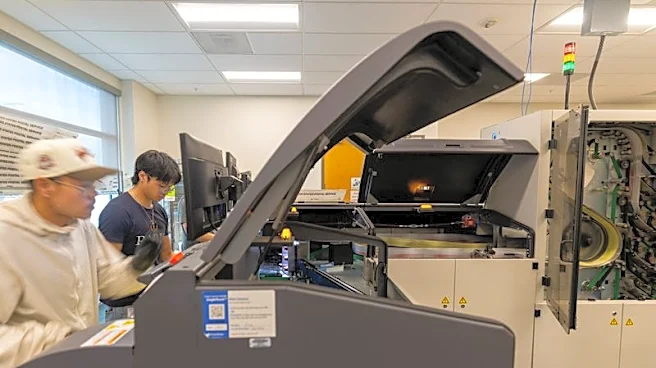
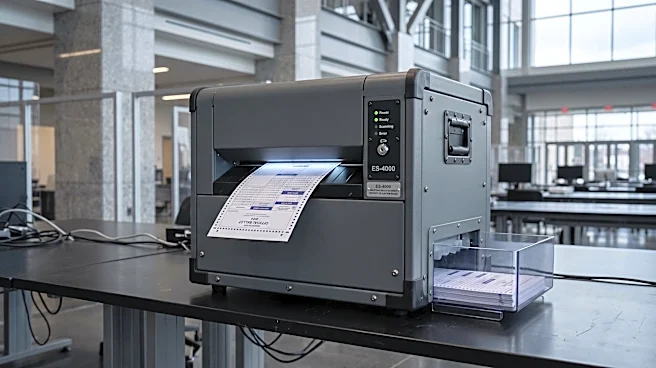
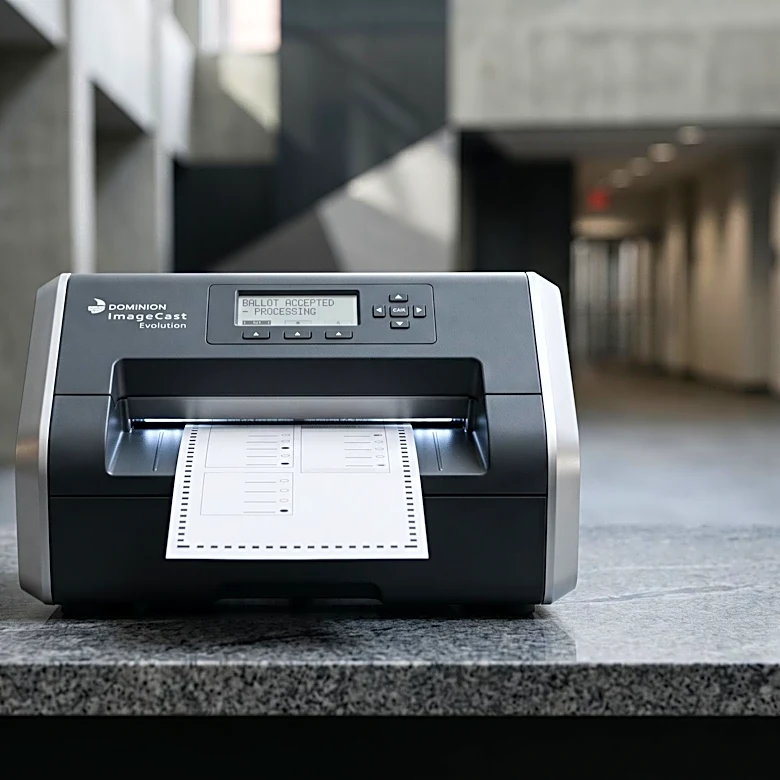
With ballots prepped and ready, they are fed into high-speed, federally certified scanning machines. These machines create a digital image of every single ballot. While officials can begin processing and scanning ballots before Election Day, state law prohibits the actual tabulation or counting of votes until the polls close at 7:00 p.m. on election night. The first results you see on election night are typically from the batches of ballots that were received, verified, and scanned in the days leading up to the election. Ballots that arrive on Election Day or are cast in person at Voter Service Centers are counted in subsequent batches.
When Machines Need a Hand: Adjudication
Sometimes a scanner can't read a ballot clearly. This might happen if a voter circles a name instead of filling in the oval, makes a stray mark, or votes for more than one candidate in a single race (an 'overvote'). These ballots aren't discarded. Instead, they are flagged for 'duplication' or 'adjudication'. A team of election workers, representing different parties to ensure fairness, reviews a digital image of the flagged ballot. Following strict rules, they determine the voter's intent. In some cases, they may need to create a new, clean ballot that accurately reflects the voter's choices, which is then fed through the scanner to be counted correctly. This human oversight ensures that every possible vote is counted as the voter intended.
Confirming the Count: Audits and Certification
After all the ballots are counted, the process isn't over. Hawaii state law mandates a post-election audit to confirm the accuracy of the results. Officials randomly select about 10% of precincts and manually compare the paper ballots (or their digital images) against the machine tally from the electronic system. This audit is designed to catch any discrepancies and ensure the counting system worked correctly. If any issues are found, the audit can be expanded. Once the audit is complete and any automatic recounts for extremely close races are finished, the Chief Election Officer certifies the final results.