

The Statewide Coordinator: The Secretary of State
At the top of the pyramid is the Idaho Secretary of State, an elected official who serves as the state's chief election officer. This office doesn't run the day-to-day operations in every polling place, but it sets the statewide rules and ensures uniformity. The Secretary of State's office is responsible for administering election laws, managing the statewide voter registration system, and certifying the final election results from all 44 counties. They also provide resources and training for local election officials, ensuring everyone is operating from the same playbook. Think of this office as the air traffic controller of Idaho elections, monitoring the entire system, providing guidance, and officially validating the outcome.
The Ground Game: County Clerks
The real workhorses
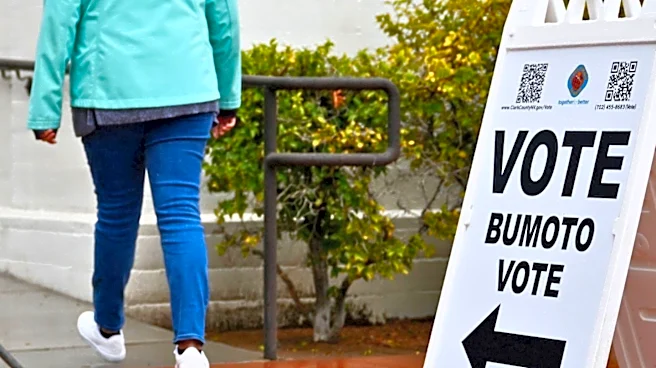
of Idaho elections are the County Clerks. Each of Idaho's 44 counties elects a clerk who acts as the chief elections officer for their jurisdiction. This is where the rubber truly meets the road. County Clerks are responsible for nearly every practical aspect of voting. They handle voter registration, mail out absentee ballots, secure polling locations, and program the voting equipment. It is the clerk’s office that hires and trains the poll workers you see on Election Day. Because they are elected locally, they are directly accountable to the voters in their own community. If you have a question about where to vote, how to register, or the status of your absentee ballot, your County Clerk is your go-to source.
The Front Lines: Poll Workers
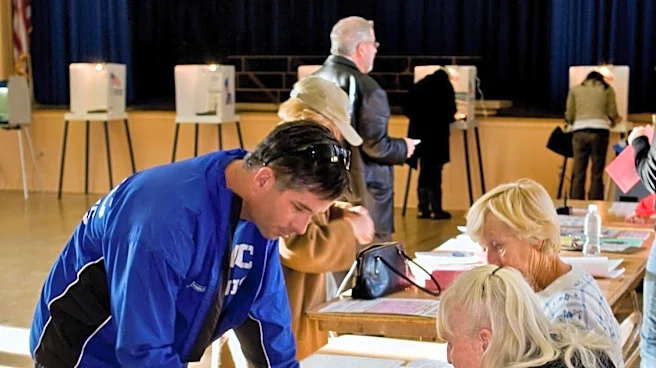
On Election Day, the most visible faces of the election system are the thousands of poll workers, or election workers, who staff the voting precincts. These are temporary employees hired by the County Clerk for each election. They are your neighbors—civic-minded citizens who set up voting equipment, check voter IDs, issue ballots, and ensure the process runs smoothly at each location. To become a poll worker in Idaho, a person must be a U.S. citizen, at least 16 years old, and able to read and write English. They undergo mandatory training before each election and must remain politically neutral while on the job. These individuals commit to a long day, often arriving before 7 a.m. and staying until after the last ballot is counted, to make in-person voting possible for everyone.
Ensuring Accuracy: Counting and Canvassing
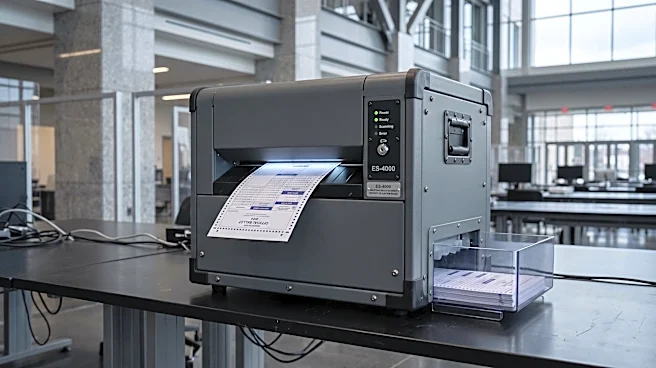
After the polls close, the process of counting and certifying the vote begins. In Idaho, all votes are cast on paper ballots, which creates a secure, auditable trail. The initial counting of ballots happens at the county level on election night, either by hand or using tabulation machines that are not connected to the internet. These initial numbers are considered unofficial. The official certification happens during a process called the canvass, where the Board of County Commissioners reviews the count from the County Clerk to resolve any discrepancies and formally approve the results. Once all 44 counties have canvassed their results, they are sent to the Secretary of State, who conducts the final statewide canvass to certify the official winners of federal and state races.