







The Short Answer: No Excuse Needed
Let's get right to it: Wisconsin has no-excuse absentee voting. This means any registered voter in the state can request an absentee ballot for any reason or no reason at all. You don't need to be out of town, ill, or have a specific disability to qualify. If you're a qualified elector, you have the right to vote via an absentee ballot, either by mail or in person before Election Day. This puts Wisconsin in line with a majority of states that offer this level of flexibility, standing in contrast to states that require voters to provide a legally accepted reason for not voting at the polls on Election Day.
How to Get Your Ballot
The process for requesting an absentee ballot is straightforward. Most voters can go online to the MyVote Wisconsin website to submit a request.
With a few exceptions, you will need to provide a copy of an acceptable photo ID with your request. Acceptable forms include a Wisconsin driver's license, a state ID card, a U.S. passport, or a military ID, among others. You can also request a ballot by mail or email. Officials recommend that you request your ballot as early as possible to allow for processing and mail delivery times. The deadline to request a ballot by mail is typically 5:00 p.m. on the Thursday before the election, but mailing it back at least a week or two before Election Day is strongly advised to ensure it arrives in time to be counted.
The Witness in the Room
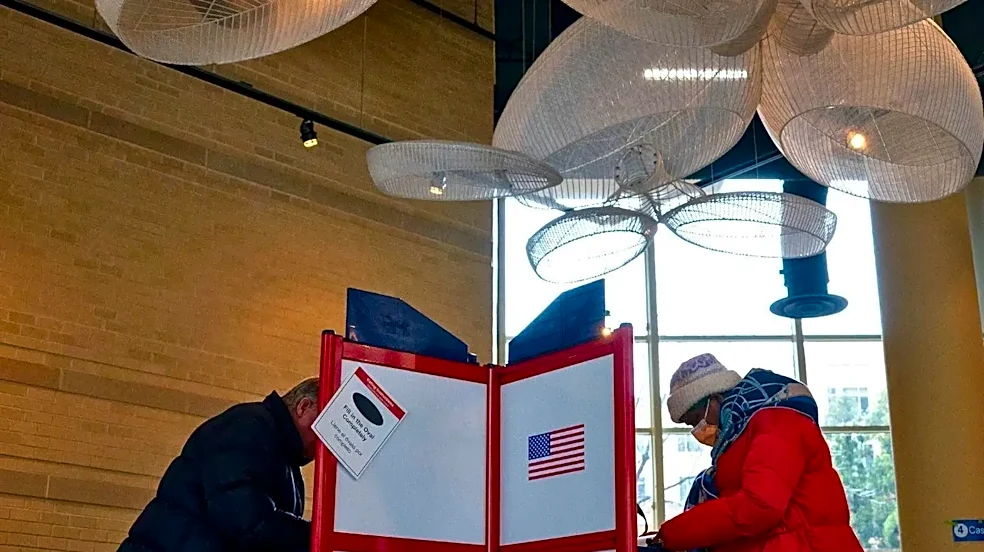
While getting a ballot is straightforward, casting it involves a key procedural step that often causes confusion: the witness signature. When you fill out your absentee ballot, you must do so in the presence of a witness. This witness can be any U.S. citizen who is at least 18 years old and not a candidate on the ballot. After you sign the ballot envelope, your witness must also sign it and provide their complete address. Ballots returned without a proper witness signature and address can be challenged and may not be counted. This requirement has been the subject of numerous legal battles and public information campaigns, as it represents a significant hurdle for some voters compared to in-person voting.
The Journey Back: Returning Your Ballot
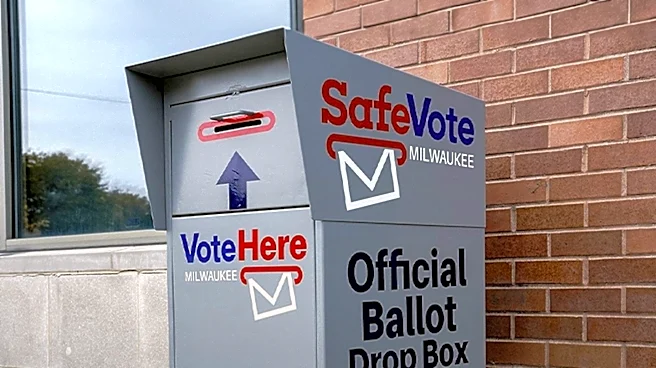
Once your ballot is voted, signed, and witnessed, you have a few options for returning it. You can mail it back using the provided envelope, but again, doing so early is critical. Ballots must be received by your municipal clerk by 8:00 p.m. on Election Day to be counted; a postmark is not enough. You can also return your ballot in person to your municipal clerk's office. The rules surrounding ballot drop boxes have been a point of legal contention. While some municipalities like Madison have operated them, their legality and availability can vary based on the latest court rulings, so it is crucial for voters to check with their local clerk for the most current and lawful return options available in their area.