





From Political Battles to Independent Commissions
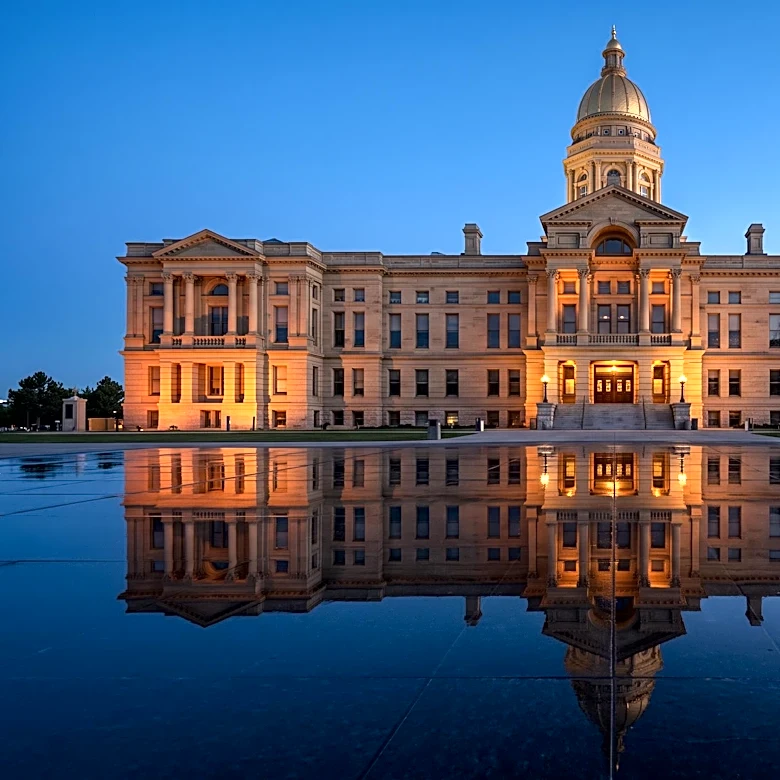
Not long ago, the process for drawing Colorado's congressional districts was a bare-knuckle political brawl. The state legislature had primary authority, which often led to fierce partisan deadlocks and court battles. For four consecutive redistricting cycles, the final maps were ultimately drawn by judges, not lawmakers. This recurring gridlock and the nationwide outcry over gerrymandering—the practice of drawing districts to favor one party—led to a major overhaul. In 2018, Colorado voters overwhelmingly approved Amendments Y and Z, which created independent commissions to handle both congressional and state legislative redistricting. These amendments were designed to take power away from elected officials and give it to a balanced group of citizens,
with the goal of creating fairer and more competitive maps.
An Indirect Role in Commission Selection
Under the new system, the governor’s direct influence is virtually non-existent, a stark contrast to states where the governor can approve or veto maps. Previously, the governor held veto power over the congressional plan drawn by the legislature. That power is now gone. The governor's main role, along with legislative leaders, is now indirect and occurs at the beginning of the process. While a panel of retired judges selects most of the 12-member Independent Congressional Redistricting Commission, the four main legislative leaders (the Speaker of the House, House Minority Leader, Senate President, and Senate Minority Leader) each submit a list of potential commissioners from which the final members are chosen. The governor has no formal say in these appointments, though they can certainly exert informal influence over the legislative leaders of their own party. This is a far cry from states where governors directly appoint commission members or hold a seat on the commission themselves.
The Missing Veto: A Feature, Not a Bug
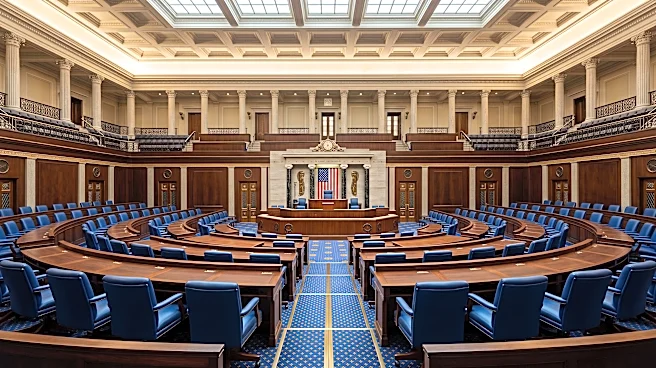
The most significant change affecting the governor's power is the removal of the veto. In many states, redistricting plans are passed like any other bill, giving the governor the final say. This often creates a flashpoint, where a governor from one party can block a map drawn by a legislature controlled by the other. Colorado’s new process was specifically designed to eliminate this possibility. The Independent Congressional Redistricting Commission—composed of four Democrats, four Republicans, and four unaffiliated voters—is the sole body responsible for drawing and approving the final map. To be adopted, a map requires a supermajority of eight votes, including at least two from the unaffiliated commissioners. This ensures that no single party can dictate the outcome. The approved map then bypasses the governor's desk entirely.
The Real Final Say: The State Supreme Court
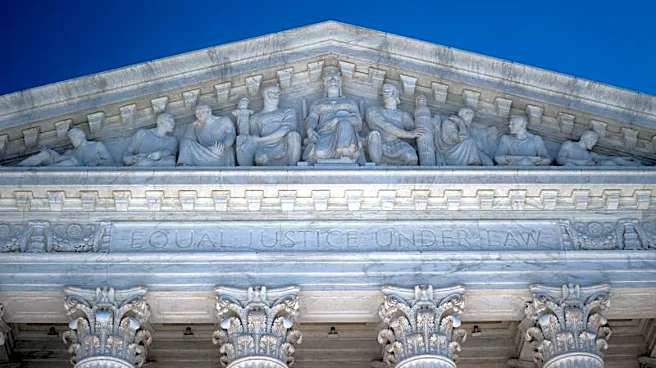
If the governor doesn't have the final word, who does? In Colorado's system, that power rests with the state's Supreme Court. Once the commission approves a final map, it is submitted directly to the Colorado Supreme Court for review. The court's job isn't to redraw the map or substitute its own judgment, but to ensure the commission followed all the constitutional criteria. These criteria include equal population, compliance with the Voting Rights Act, preserving communities of interest, and maximizing political competitiveness where possible. If the court finds the commission abused its discretion, it can send the map back for revision. If it meets the standards, the court approves it, and the map becomes law, filed directly with the Secretary of State. This judicial review, rather than gubernatorial approval, is the ultimate check and balance in Colorado's modern redistricting process.