




Statewide Oversight: The Secretary of State
At the highest level, the New Jersey Secretary of State is the state's chief election official. This role, appointed by the Governor, oversees the Division of Elections, which is responsible for ensuring that elections are conducted uniformly and in accordance with state law. Think of the Secretary of State's office as setting the rules of the game. It provides guidance to all 21 counties, certifies voting equipment, and maintains the statewide voter registration database. While the Secretary of State has ultimate oversight, they don't handle the day-to-day mechanics of running an election in your town. That responsibility falls to county officials. This structure means that while there's a central authority for policy, the actual execution
is local.
The County Command Center: Clerks and Boards of Election
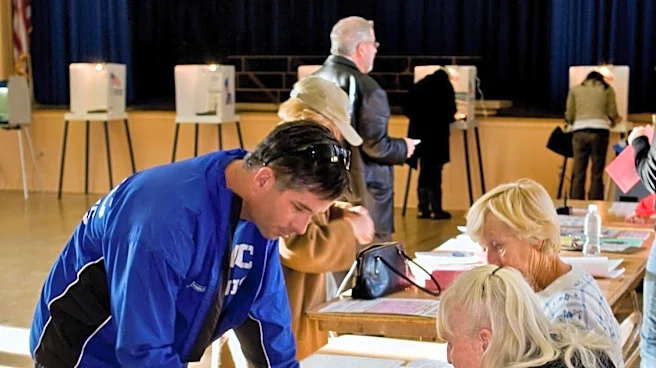
The real operational heart of New Jersey elections beats at the county level. Here, responsibility is split between two key entities: the County Clerk and the County Board of Elections. The County Clerk has significant pre-election duties. This office is responsible for designing, printing, and mailing all Vote-by-Mail and sample ballots. They also accept candidate petitions and are responsible for the ballot's layout. In contrast, the County Board of Elections is a bipartisan body, typically with two Democratic and two Republican commissioners appointed by the governor. This board is in charge of the more hands-on aspects of voting. Its duties include recruiting, training, and appointing the poll workers you see at your polling place, managing polling locations, and, crucially, counting mail-in and provisional ballots.
A Tale of Two Systems: Superintendents of Elections
To add a layer of complexity, New Jersey has a hybrid system for voter registration. In some counties, the Board of Elections also serves as the Commissioner of Registration, maintaining the local voter rolls. However, other counties have a separate Superintendent of Elections. This official, also appointed by the governor, is solely responsible for voter registration, investigating potential election law violations, and maintaining custody of voting machines. This divided structure, where some counties have a Superintendent and others don't, means the exact players can change depending on where you live. However, the core functions remain the same: one body handles ballots and candidates (the Clerk), and another handles poll workers and vote counting (the Board of Elections), with voter registration managed by either the Board or a Superintendent.
From Unofficial Results to Final Certification
On election night, the initial numbers you see are unofficial results, primarily from in-person voting machines tallied by the County Clerk's office. But the process is far from over. In the days following the election, the County Board of Elections begins its official canvass. This is the meticulous process of counting all valid mail-in ballots (which can be received up to six days after the election if postmarked on time), and provisional ballots. Once every valid vote is counted, the County Board of Canvassers, which consists of the County Clerk and the members of the County Board of Elections, meets to certify the final results at the county level. Those certified results are then transmitted to the Secretary of State, who convenes the state Board of Canvassers to officially certify the statewide election results.