




It Starts at the Local Level
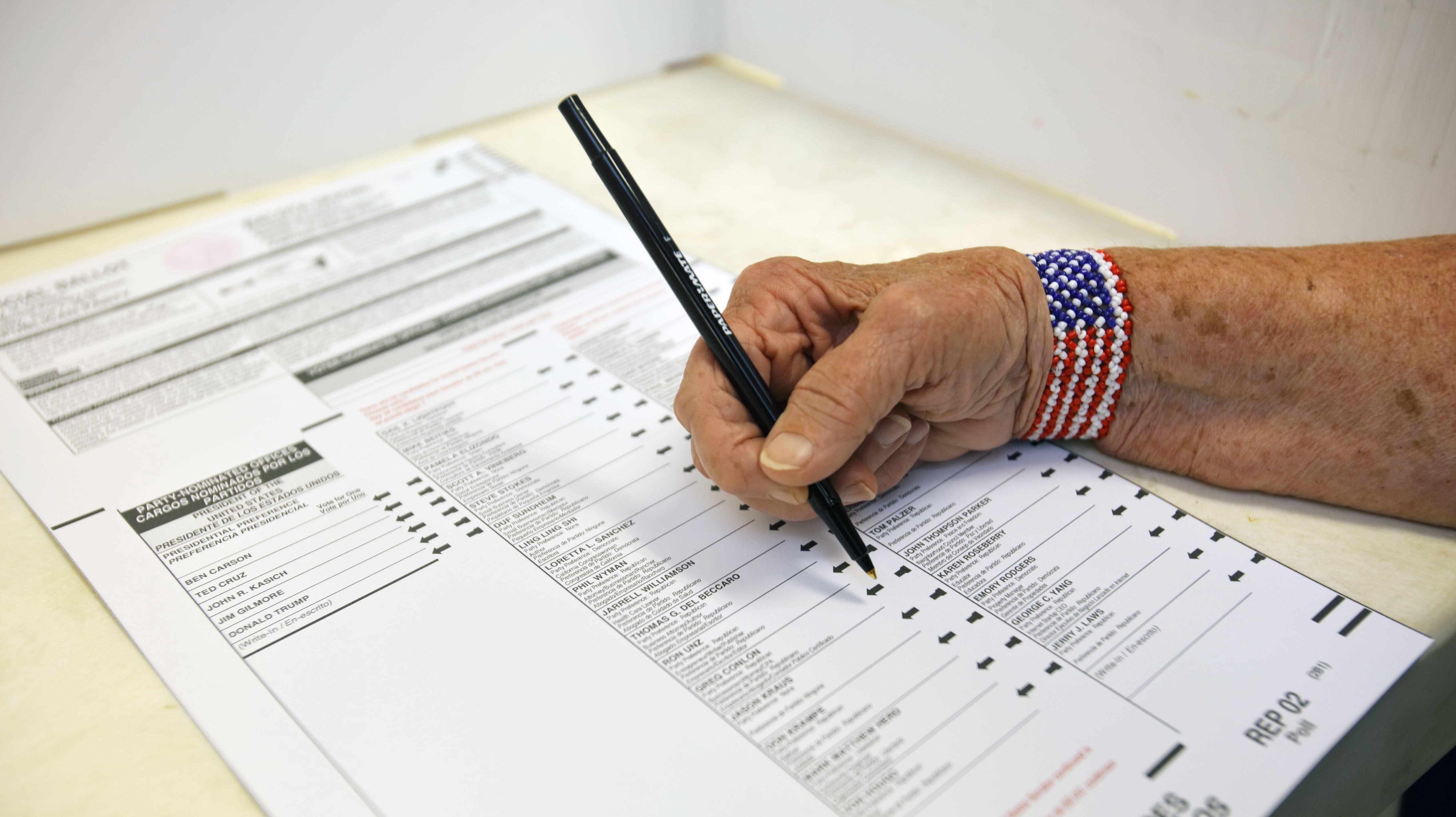
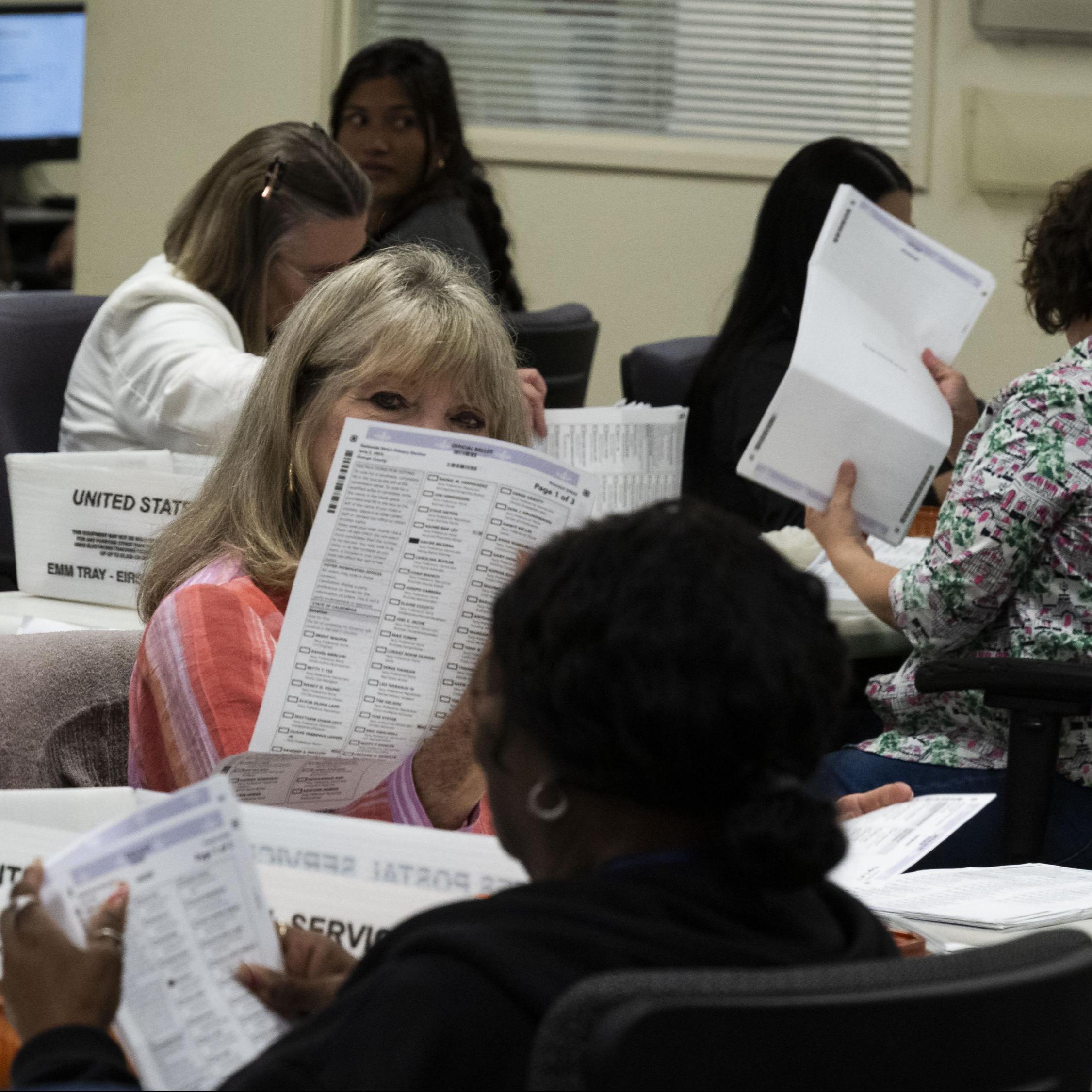
The journey to official election results begins not in the state capital, but in Maryland’s 23 counties and the city of Baltimore. Each of these jurisdictions has a local board of elections, which is responsible for the initial counting and verification of votes. This crucial first phase is known as the canvass. During the canvass, bipartisan teams review all ballots, including those cast during early voting, on Election Day, and by mail. They also process provisional ballots, which are cast when a voter's eligibility is in question at the polling place. The main goal is to ensure every valid vote is counted and to reconcile the number of ballots with the number of voters who checked in. These local canvasses are open to the public, providing
a layer of transparency to the process.
The Canvassing Timeline
The canvassing process doesn't happen overnight. Maryland law provides a structured timeline for these activities. The process of canvassing mail-in ballots can begin even before Election Day. After the election, local boards continue the count, including mail-in ballots that arrive after Election Day but were postmarked in time. The process also includes a dedicated period to review and count provisional ballots, which typically starts on the second Wednesday after the election. Local boards must verify their vote count within 10 days of the election. They are required to certify their local results by the second Friday after Election Day or within 48 hours after their canvass is complete, whichever is later.
The State Steps In
Once each local board of elections has completed its count and certified the results for its jurisdiction, the process moves to the state level. The certified vote totals from every county are transmitted to the Maryland State Board of Elections. For statewide and congressional races, however, a specific body called the Board of State Canvassers takes center stage. This board is composed of several statewide officials, including the Secretary of State, Comptroller, Attorney General, State Treasurer, and the Clerk of the Maryland Supreme Court. Their job is to formally review and tabulate the certified statements from all the local boards to determine the statewide vote totals for races that cross county lines, like those for U.S. Congress.
The Final Certification and Proclamation
The Board of State Canvassers must meet within 35 days of the election to perform its duty. It aggregates the numbers from each county and produces a final, certified statement of the vote for the entire state. This certified statement is then delivered to the Maryland State Board of Elections, which formally accepts the results. Following this, the State Board of Elections and the Governor issue certificates of election to the winning candidates. For a congressional race, this means the State Board certifies the results and notifies the Clerk and presiding officer of the U.S. House of Representatives of the outcome. This multi-step process, involving both local and state-level checks and bipartisan oversight, is designed to ensure public trust and confirm that the reported winner is, in fact, the candidate who received the most valid votes.
What About Recounts?
Maryland law does not have automatic recounts. However, a losing candidate can petition for a recount within three days after the local results are certified. This option is generally available if the margin of victory is 5% or less. The candidate requesting the recount must typically pay for it, unless the margin is exceptionally close—0.25% or less—in which case the state may cover the cost. The recount process itself has several options, from re-scanning all the paper ballots to conducting a full manual hand count, and the petitioner can specify which precincts they want recounted. This provides an important, though rarely used, final check on the accuracy of the vote before results become absolutely final.