



The Statewide Leadership
At the very top of Oklahoma's election administration is the State Election Board. Established by the state constitution in 1907, this group provides oversight for the state's 77 county election boards. It’s a three-member board, with members appointed by the Governor from lists provided by the two largest political parties, ensuring bipartisan representation. Their key duties include certifying the results of federal and state elections, appointing members to the county election boards, and ruling on official challenges to a candidate's eligibility. However, the day-to-day administration and governance falls to one key person: the Secretary of the State Election Board. This individual serves as Oklahoma's chief election official. An interesting
quirk of state law since 1913 is that the person appointed as Secretary of the State Senate also serves as the Secretary of the State Election Board.
The County Command Center
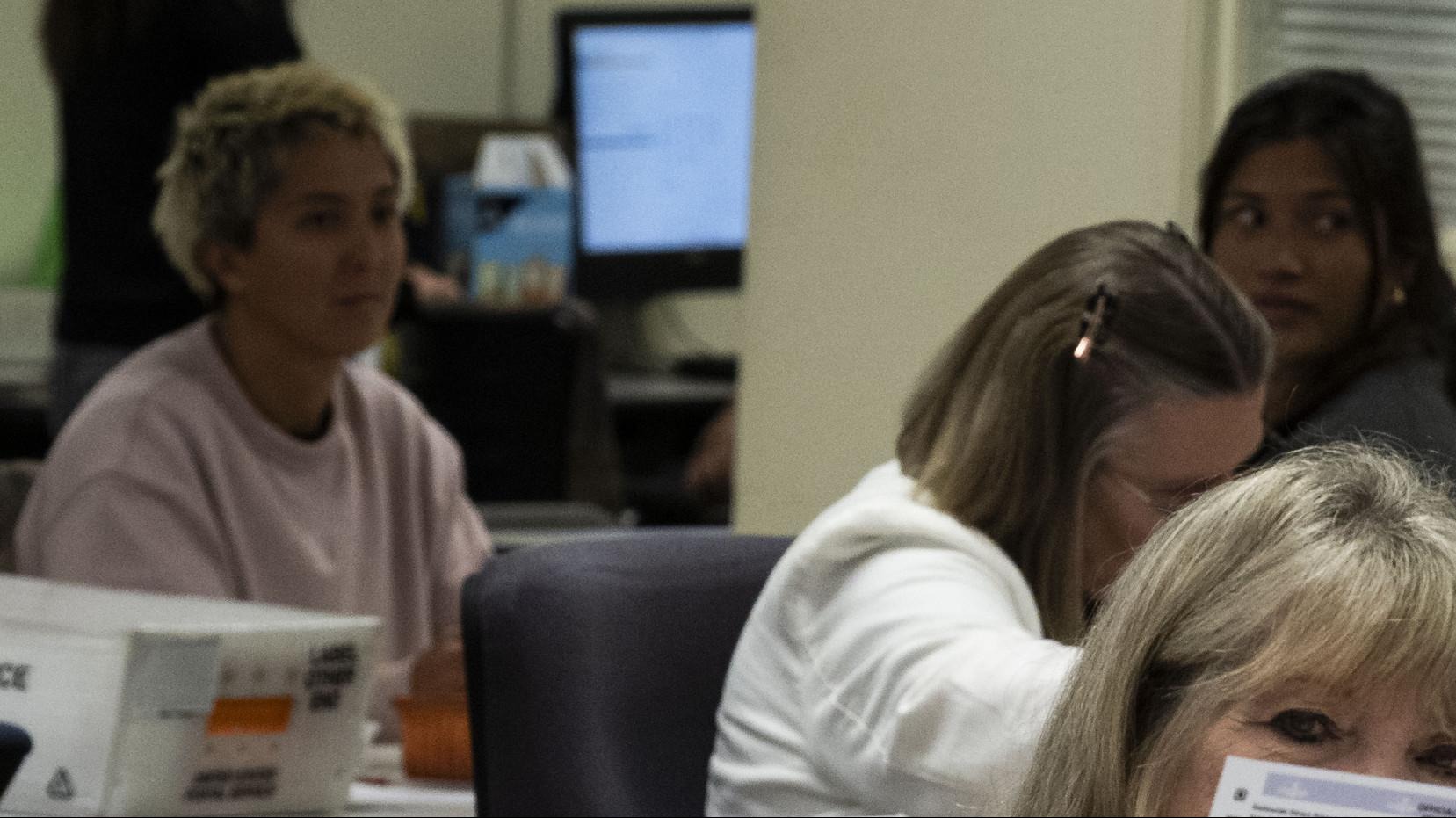
The real workhorses of election administration are the 77 County Election Boards, one for each county in Oklahoma. These boards are responsible for conducting all federal, state, county, municipal, and school district elections within their jurisdiction. Think of them as the local operational hubs. Their responsibilities are vast: they manage voter registration records, receive candidacy declarations for local offices, print and test ballots, and maintain the voting machines. Each county board is a three-person panel. The chairman and vice-chairman are nominated by the county's Democratic and Republican parties, respectively, and appointed by the State Election Board. The third member, the secretary, is appointed directly by the State Election Board and acts as the chief administrative officer, managing the office's daily operations and staff.
Your Neighbors at the Polls
On Election Day, the system becomes even more local, relying on citizens from the community. Every polling place is managed by a three-member Precinct Election Board. These are the people who check you in, hand you your ballot, and ensure the process runs smoothly. Each precinct team consists of an Inspector, a Judge, and a Clerk. The Inspector is the lead official at the polling site. To ensure fairness, state law has specific requirements for partisan balance on this team. One official must be from the state's largest political party, another from the second-largest, and the third can be from any party or registered as an Independent. These officials are appointed by the County Election Board for four-year terms and must attend training to learn the proper procedures. They are the frontline workers who ensure every voter's experience is secure and fair.
A System of Checks and Balances
This structure is deliberately decentralized. While the State Election Board provides uniform rules and oversight, the actual execution is handled at the county level, with a final layer of citizen engagement at each precinct. This tiered system creates inherent checks and balances. The bipartisan nature of the boards at both the state and county levels is designed to build public confidence and prevent any single party from having undue influence over the mechanics of an election. Furthermore, the day-to-day operations are run by non-partisan administrative staff under the direction of the county secretary, separating the procedural work from political appointments. This division of labor, from statewide policy to the person who hands you an "I Voted" sticker, is the foundation of how Oklahoma's elections are run.