

The Statewide Conductor: The Secretary of State
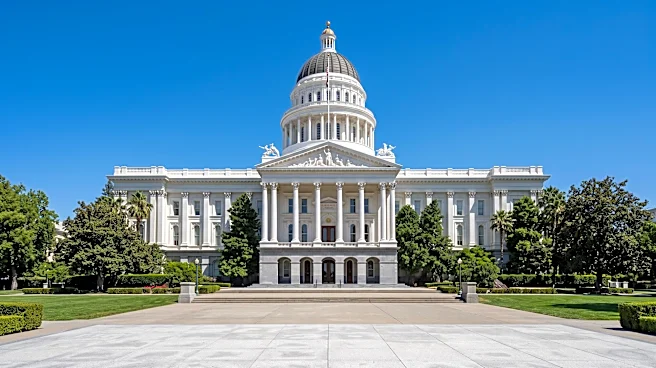
At the top of the pyramid is California's Secretary of State, who serves as the state's chief elections officer. Think of this office as the conductor of a massive orchestra. Its job isn't to play every instrument but to ensure everyone is working from the same sheet of music. The Secretary of State's office sets the rules, certifies voting equipment for security and accuracy, and maintains the statewide database of registered voters. They are responsible for overseeing all federal and state elections, which includes tracking and certifying ballot initiatives, compiling returns from the counties, and formally certifying the final election results. This office also provides guidance to local officials and publishes voter information pamphlets
in multiple languages to reach California’s diverse population. Essentially, they provide the uniform framework and a final stamp of approval.
The County Powerhouses: The Registrars of Voters
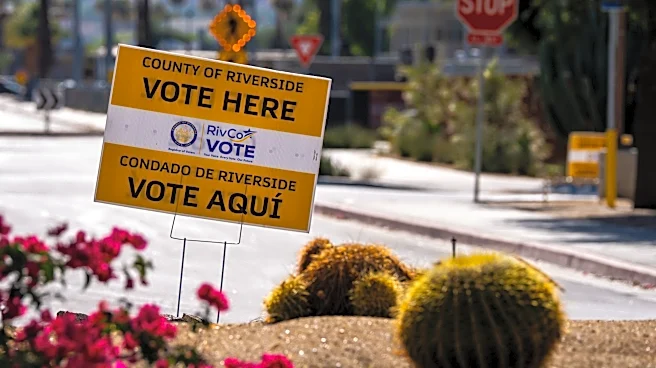
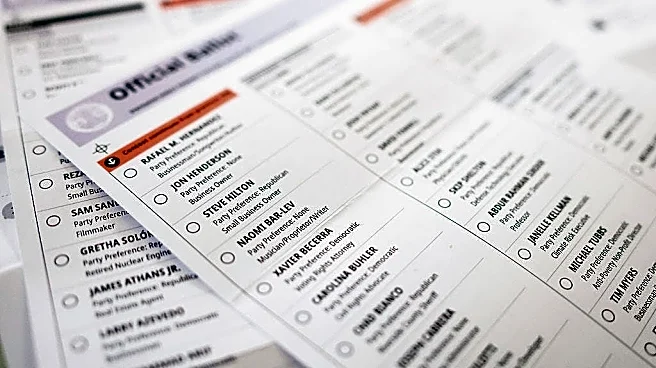
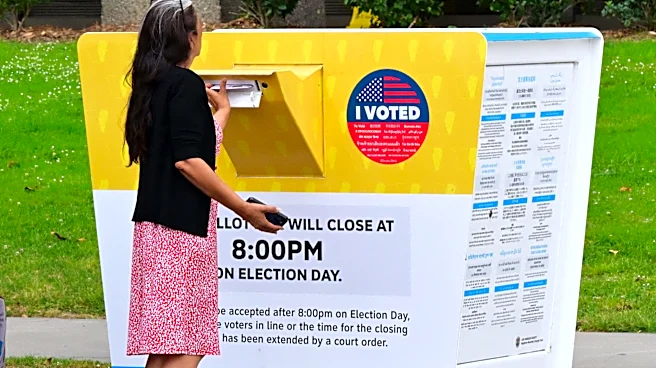
While the state sets the overall direction, the real work of running an election happens at the local level. California's 58 counties are the primary administrators, and the person in charge is usually called the Registrar of Voters or, in smaller counties, the County Clerk. These county officials are the on-the-ground commanders responsible for the nuts and bolts of the entire process. Their duties are immense: they handle voter registration and maintain local voter files, design and print the ballots you receive, and manage all polling places and vote centers. They are also in charge of mailing, collecting, and, most importantly, counting every single ballot. From the sprawling jurisdiction of Los Angeles County, the nation's largest, to the smallest rural counties, these offices manage the complex logistics of ensuring a fair and accurate election for their specific communities.
The Frontline Army: The Poll Workers
On Election Day, the system relies on a temporary army of citizens: the poll workers. These are the friends and neighbors you see when you go to vote in person. Recruited and trained by county election offices, these individuals are responsible for setting up voting equipment, checking in voters, answering questions, and ensuring procedures are followed correctly at thousands of locations across the state. While county registrars and the Secretary of State are the professional administrators, poll workers are the essential public face of the election process. They are a critical link in the chain, turning administrative plans into a functioning reality for millions of voters. Many jurisdictions are in constant need of citizens willing to step up for this vital civic duty, underscoring how dependent the system is on community participation.
Shared Control and Checks and Balances
No single entity has absolute power, and that's by design. The system is a partnership between state and county governments, creating inherent checks and balances. The Secretary of State ensures statewide uniformity and certifies the final vote, but they can't run a local election without the county registrar. Conversely, a county registrar has significant autonomy in how they administer the election locally but must operate within the legal framework and equipment standards set by the state. This division of labor is meant to ensure integrity. For example, the state certifies voting machines, but the counties purchase and deploy them. The counties tabulate the votes, but the state compiles and certifies the statewide totals. This decentralized yet interconnected structure is fundamental to how elections function in the Golden State.