




No Single Chief, But a Board
The District of Columbia does not have one single chief election official. Instead, that responsibility falls to the D.C. Board of Elections (DCBOE). This independent agency was established by Congress and is designed to operate without being subject to the direction of any single elected official or political party. Its primary mission is to run the city's elections, manage voter registration, and ensure the overall integrity of the electoral process. This structure is a deliberate choice, intended to keep the mechanics of democracy in the nation's capital non-partisan and administratively firewalled from political pressure.
The Three-Member Board Structure
The leadership of the DCBOE is a three-member, bi-partisan board of private citizens. This isn't a full-time job; these
are residents who provide oversight and policy direction. To ensure fairness and prevent partisan control, no more than two members can be from the same political party. Board members are nominated by the Mayor of the District of Columbia and must be confirmed by the D.C. Council. This appointment process provides a check and balance, ensuring that the individuals overseeing the city's elections have been vetted by both the executive and legislative branches of the District's government.
The Executive Director: The Chief Administrator
While the board sets the policy, the day-to-day work of running elections falls to the Executive Director. This individual is the closest equivalent to a chief elections officer in D.C. Appointed by and serving at the pleasure of the three-member board, the Executive Director manages the agency's staff and implements the board's mission. As of 2026, the Executive Director is Monica Holman Evans, who took over the role in 2021. She and her staff handle everything from maintaining the voter rolls and managing polling places to overseeing ballot tabulation and providing information to candidates and the public.
Why D.C.'s System is Different
The District's unique status as a federal district, not a state, is the primary reason for its distinct election administration system. The Home Rule Act of 1973 granted D.C. the ability to elect its own mayor and council, but it did not create a government structure identical to that of a state. States often consolidate roles, giving a Secretary of State responsibility for not only elections but also business registrations and other administrative functions. D.C. has separated these duties. The Board of Elections' independence is a key feature, designed to build public trust in a city where federal and local politics are in constant interaction.
Core Responsibilities of the Board
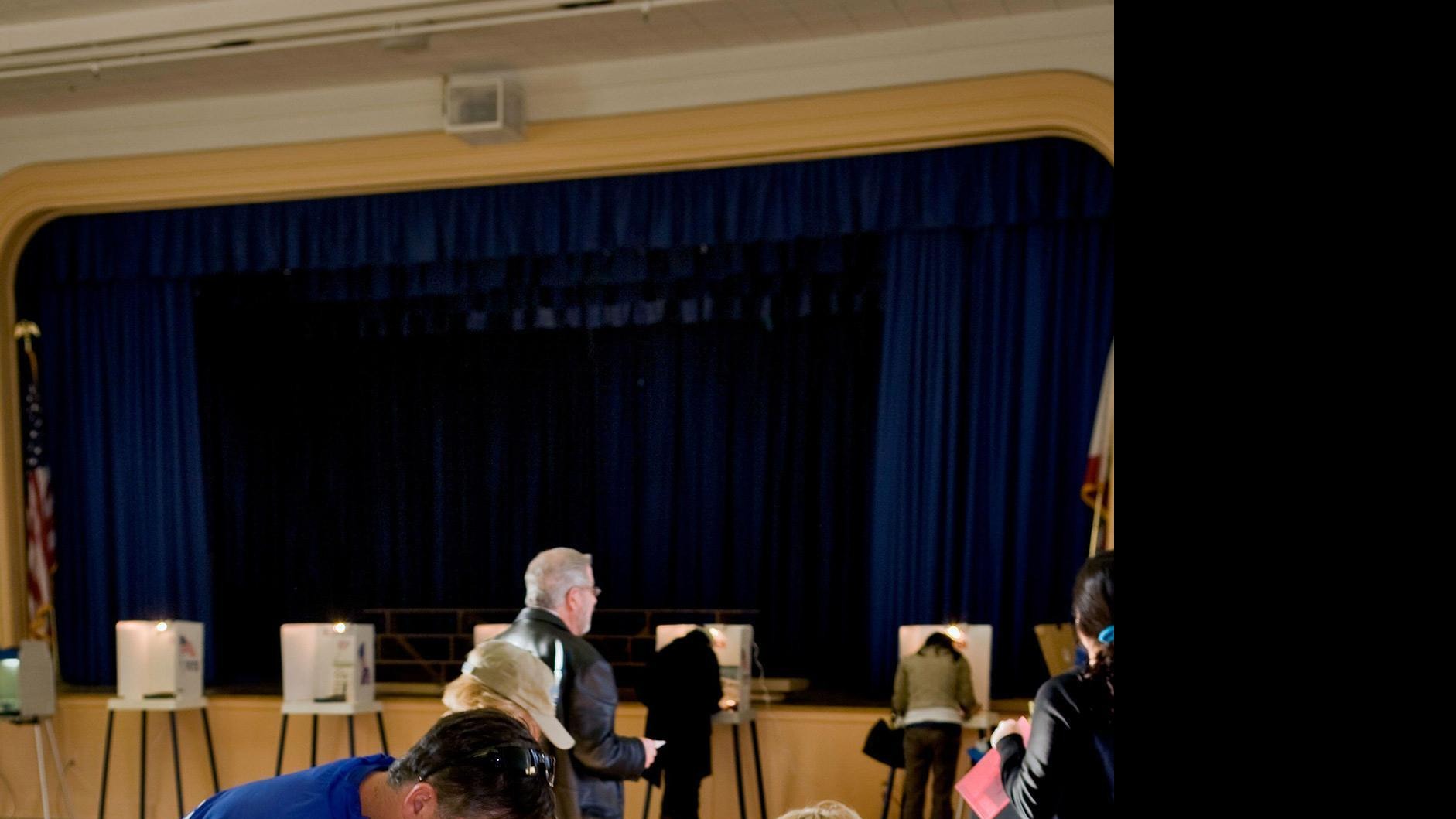
The DCBOE's duties are extensive and critical to the democratic process in the city. Key responsibilities include operating the voter registration system for all eligible residents and administering the ballot access process, which determines which candidates and measures appear on the ballot. The agency also delivers comprehensive information to the public and media, maintains the technical systems for voting and ballot counting, and plans and implements every election held in the District. From training poll workers to publishing election results and performing post-election audits, the DCBOE manages the entire lifecycle of an election.