




The State's Chief Election Officer
At the top of the pyramid is the Arizona Secretary of State, who serves as the state's Chief Election Officer. This statewide elected official has a broad oversight role. Their office is responsible for creating and maintaining the official Elections Procedures Manual, which provides a consistent rulebook for all 15 counties to follow. They also maintain the statewide voter registration database, certify the voting equipment used across the state to ensure it's accurate and secure, and serve as the filing officer for federal and state candidates. After the counties have done their work, the Secretary of State's most visible duty is to canvass and certify the final, official results for statewide and federal races, declaring the winners. However,
the Secretary of State does not actually run the polling places or count the individual ballots on election night. That work happens at a much more local level.
The Counties: Where the Real Work Happens
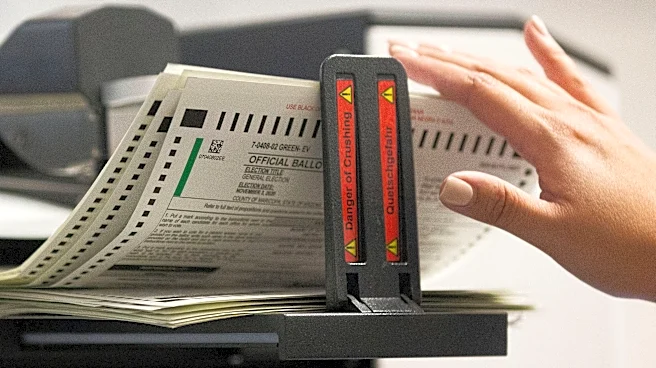
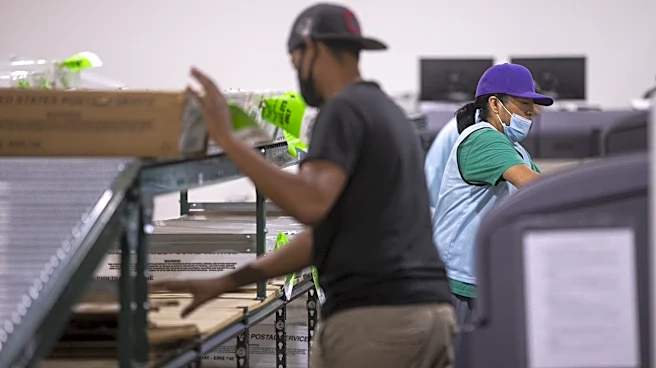
Arizona has a decentralized election system, meaning the bulk of the administration happens at the county level. Each of Arizona's 15 counties has its own team of officials who manage the on-the-ground mechanics of voting. This is a deliberate system of checks and balances. The two most important players at this level are the County Recorder and the County Board of Supervisors, who are both elected officials. The County Recorder's primary responsibilities are voter registration and early voting. Their office processes all registration forms, maintains the local voter rolls, and mails out the millions of early ballots that are popular in the state. When those mail-in ballots are returned, it's the recorder's staff who verifies the signature on the envelope against the one on file before the ballot can be counted.
The Board and the Director
The County Board of Supervisors, a county's chief governing body, also has critical election duties. They are responsible for the budget of the elections department, and they have the final say on the location of polling places and emergency voting centers. The board also appoints a County Election Director, a non-elected professional who manages the logistics of Election Day itself. This director and their department are in charge of hiring and training thousands of poll workers, setting up the polling locations, and overseeing the tabulation of all the votes—whether they were cast early, in-person, or provisionally. After the counting is complete, the Board of Supervisors holds a public meeting to review and officially certify their county's results in a process called a canvass.
From the Local Count to the Final Certification
The entire system is a relay race of responsibility. It starts with the County Recorder handling registration and mail-in ballots. Then, the County Election Director executes Election Day operations. Afterwards, the County Board of Supervisors canvasses and certifies the local results. Only after each of the 15 counties has certified its own results do they transmit them to the Secretary of State. The Secretary of State then performs the final statewide canvass, aggregating the totals from every county to make the results of federal and statewide races official. This separation of duties ensures that no single person or office has complete control over the entire process, building in a layer of security through decentralization. It’s a partnership between your local county officials and the state, all working together under laws passed by the Arizona Legislature.