


The Ballot's First Stop: Intake and Sorting
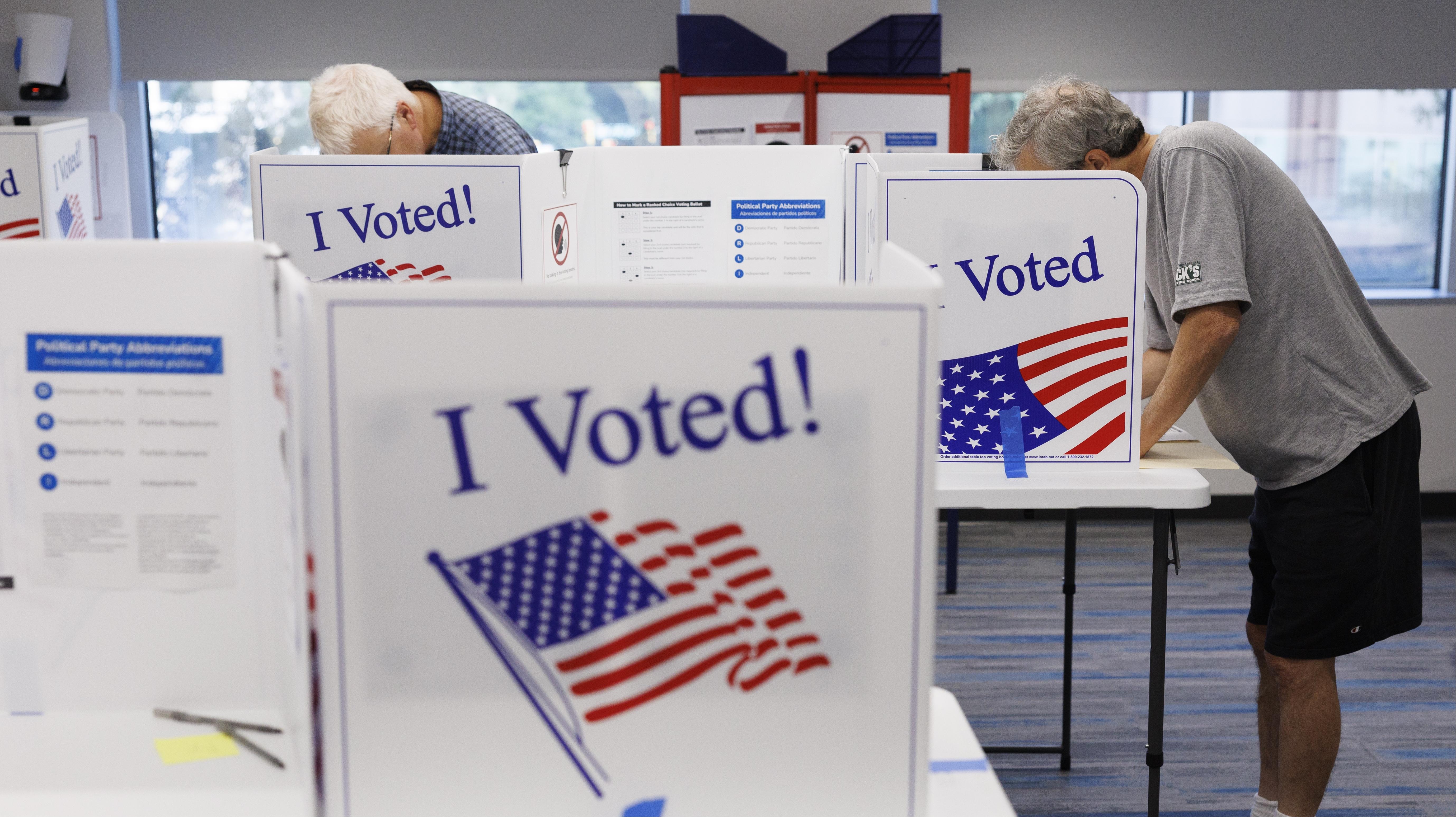
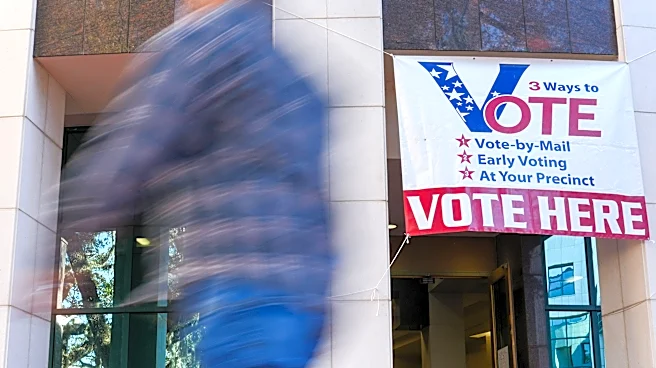
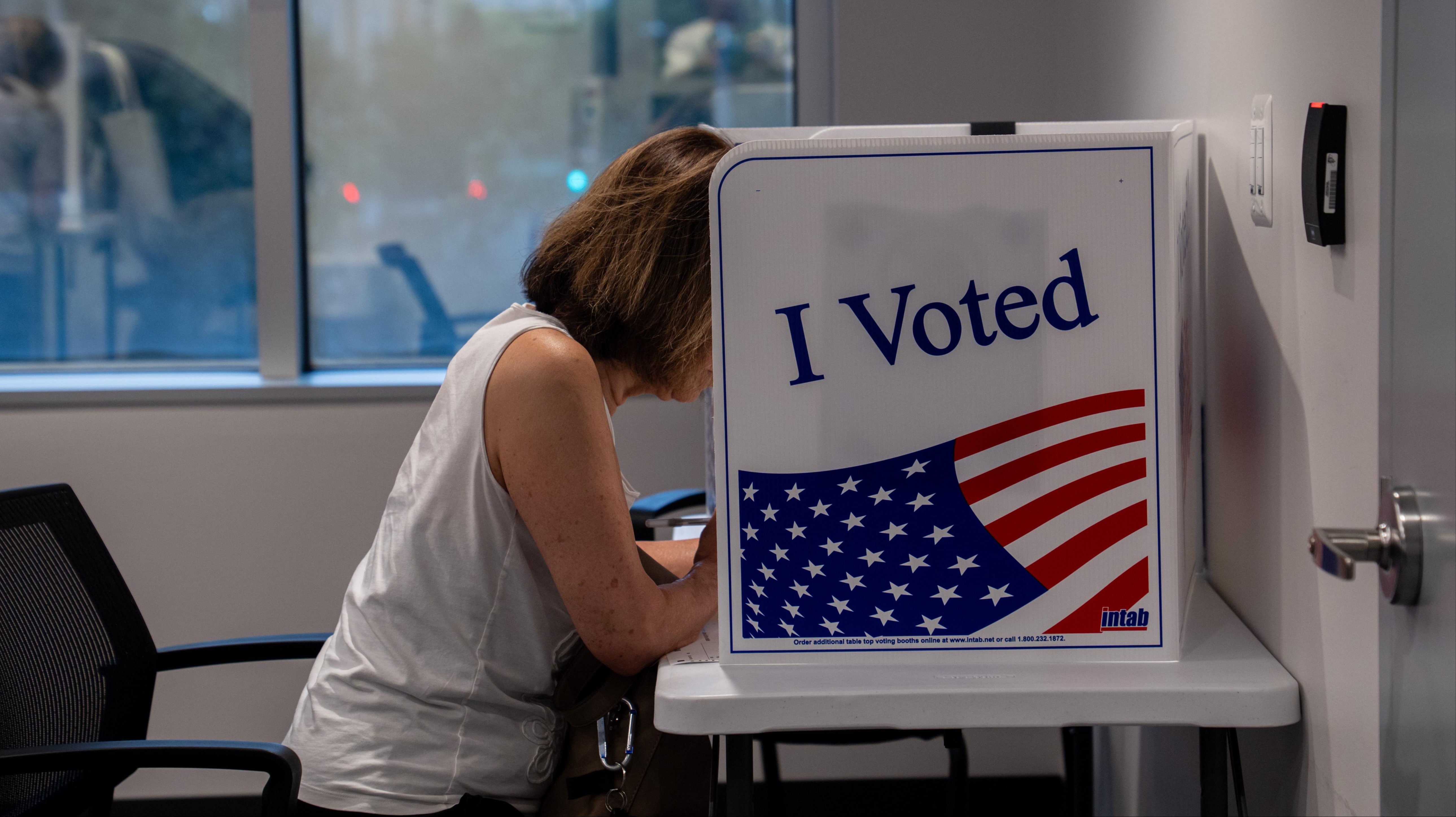
The journey of a ballot begins the moment it's received by county election officials. All active registered voters in Nevada are automatically sent a mail-in ballot, which they can return by mail, at a designated drop-box, or at a polling location. In-person voters cast their ballots at early voting sites or on Election Day. Mail ballots postmarked by Election Day are accepted for up to four days after the election, a key reason the count extends past election night. As mail ballots arrive, they are scanned into the system, which logs their return and prevents a voter from casting a second ballot.
The Signature Check: A Core Security Measure
For every single mail-in ballot, the signature on the return envelope is the voter's ID. Nevada law requires election officials to verify this signature against
the ones on file in the voter's registration record, which might include signatures from the DMV. This process starts with an automated signature recognition program. If the machine flags a mismatch or can't confirm a signature, the ballot envelope is sent to a bipartisan team of human reviewers for manual verification. This step is a crucial safeguard to confirm it was the actual voter who returned the ballot.
The 'Cure' Process: When a Signature Doesn't Match
If a ballot is challenged—either because the signature is missing or the bipartisan team determines it doesn't match—it is not thrown out. Instead, Nevada law requires officials to begin the 'signature cure' process. They must contact the voter by mail, and also by phone or email if that information is on file, to notify them of the issue. The voter then has until 5 p.m. on the sixth day after the election to 'cure' the problem by confirming their identity or providing a signature. This ensures that eligible voters aren't disenfranchised due to a simple mistake or a changing signature.
The Tabulation Room: The Official Count
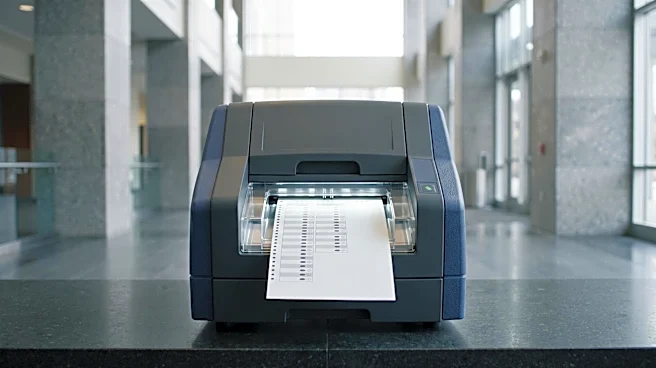
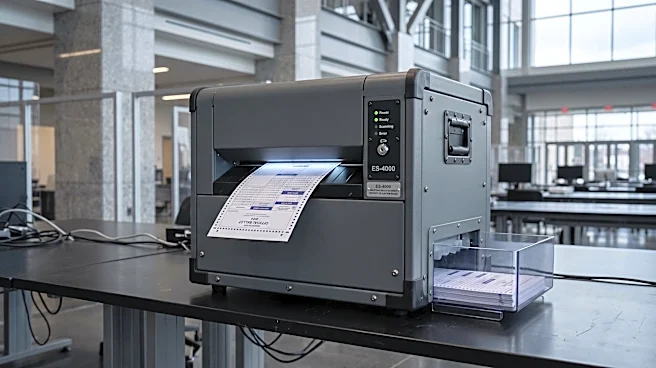
Once a mail ballot's signature is verified, it moves to the central counting board, where bipartisan teams handle the next steps in a secure, observable area. First, the ballot is separated from its signature-bearing envelope to protect voter privacy. The ballots are then flattened and inspected before being fed into high-speed scanners that tabulate the votes. If a scanner can't read a ballot due to a stray mark or damage, it's sent to an 'adjudication' team, another bipartisan group, to determine the voter's intent according to clear guidelines. All scanned ballots are then sealed and securely stored for 22 months as required by law.
The Final Checks: Audits and Canvassing
The counting doesn't stop when the last ballot is scanned. After the polls close, counties conduct post-election audits to ensure the machine tallies are accurate. These risk-limiting audits involve hand-counting a random sample of paper ballots and comparing the results to the machine count. The process is a critical check on the equipment and procedures. Finally, each county's board of commissioners must 'canvass' the vote, which means they review all the counts, resolve any clerical errors, and officially certify the results. This must be completed no later than the tenth day after the election, after which the results are sent to the Secretary of State to be officially finalized.