


The Statewide Coordinator: The Secretary of State
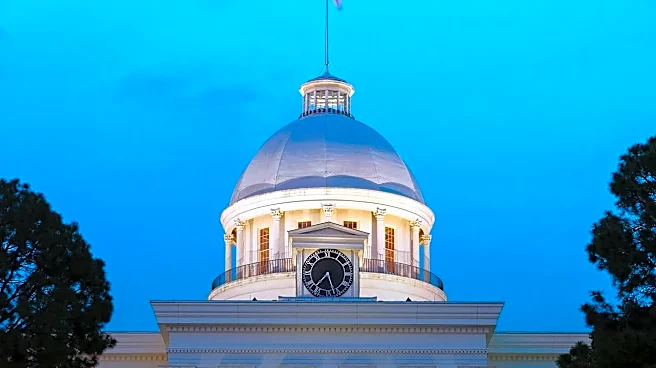
At the top of the pyramid is Alabama's Secretary of State, who serves as the state's Chief Election Official. This elected officer is responsible for overseeing the entire election process from a statewide perspective. Their duties include certifying the official language and format of ballots, tallying and certifying the final vote totals from all 67 counties, and ensuring that the overall process complies with state law. The Secretary of State's office also manages campaign finance records, making sure the public knows who is funding political campaigns. While they provide guidance and maintain uniformity, they don't run the day-to-day operations on the ground. That power lies much closer to home.
The County Power Player: The Probate Judge
If you want to find the real hub of election
power in Alabama, you need to go to the county courthouse. In each of Alabama's 67 counties, the Probate Judge is the Chief Election Officer. This is a unique feature of Alabama's system. These judges, whose primary duties often involve wills, estates, and adoptions, are also handed the immense responsibility of managing local elections. They are responsible for appointing and training all local election officials who work the polls on Election Day. Along with the county Sheriff and Circuit Clerk, the Probate Judge serves on the local election commission, which oversees the entire process within the county. This gives probate judges significant influence over how elections are practically administered in their jurisdiction.
The Logistics Team: Circuit Clerks and Sheriffs
While the Probate Judge is the chief, they don't work alone. Two other county officials have critical roles. The Circuit Clerk in each county acts as the Absentee Election Manager. This means they are responsible for handling all requests for absentee ballots, sending them to voters, and receiving them back. With absentee voting becoming a more significant part of every election, the Circuit Clerk's role is more crucial than ever. Meanwhile, the county Sheriff is responsible for election security and logistics. This includes delivering election supplies and ballots to the polling places before they open and ensuring there is order at the precincts throughout Election Day.
The Gatekeepers: The Board of Registrars
Before anyone can vote, they must be registered. In Alabama, this process is managed by each county's Board of Registrars. This three-member board is responsible for maintaining the official list of registered voters, processing new voter applications, and updating records when voters move. The board's composition is designed to be bipartisan, with members appointed by three different statewide officials: the Governor, the State Auditor, and the Commissioner of Agriculture and Industries. This board effectively acts as the gatekeeper to the ballot box, as their decisions determine who is eligible to vote in any given election.
The Front Lines: Poll Workers
Finally, the entire system relies on the hundreds of ordinary citizens who serve as poll workers on Election Day. Appointed and trained by the Probate Judge, these are the people who check you in, hand you a ballot, and offer assistance if you need it. They are responsible for opening and closing the polling places, ensuring voting machines are working correctly, and protecting the integrity of the ballots cast at their precinct. They are the face of the election process for most voters and play an essential hands-on role in making democracy function at its most local level.