



The Process Starts Locally
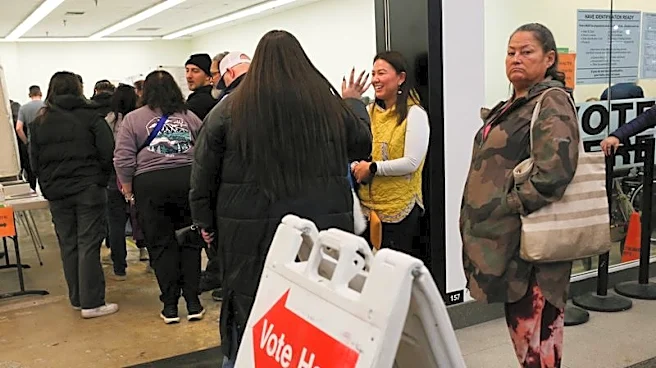
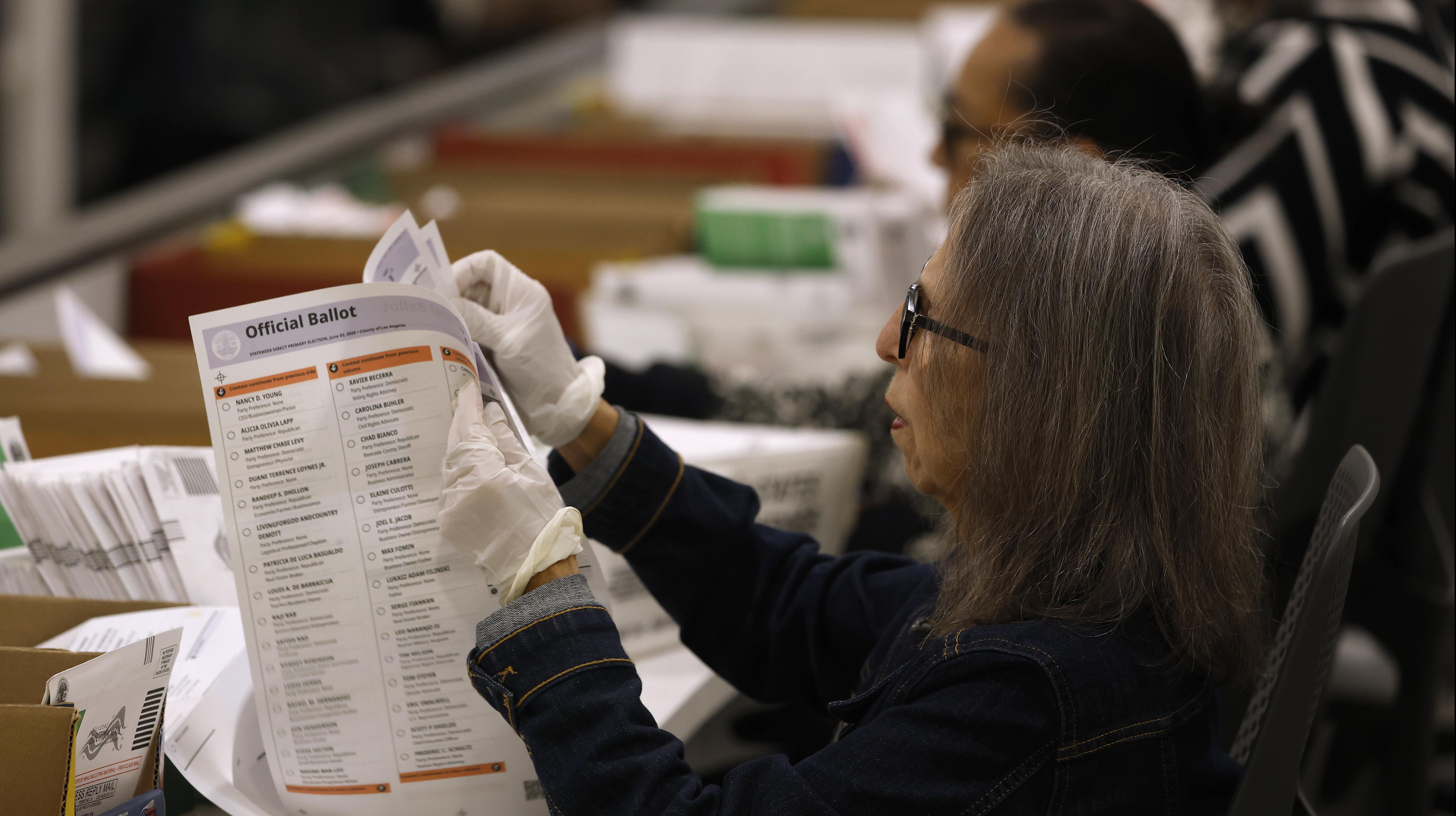
In Oregon, the journey to certifying a congressional election winner doesn’t begin in Salem or Washington, D.C. It starts in each of the state’s 36 counties. Local county elections officials are the first line of defense for ensuring accuracy. After Election Day, their primary job is to conduct what is known as the canvass. This isn't a quick count; it's a deliberate and detailed review to ensure every valid ballot is included in the final tally. This includes processing ballots that arrived on time, verifying voter signatures on the ballot envelopes, and giving voters an opportunity to resolve any issues, a process often called "curing." The unofficial results you see on election night are just a snapshot; the official canvass is where the real
work of confirming the vote happens.
County Clerks Prepare the Abstract
Once all valid ballots are counted and reconciled, each county clerk prepares an official summary of the votes cast in their county. This document is known as the abstract of votes. Think of it as each county's finalized, certified report card for the election. It details the vote totals for every candidate and measure on the ballot, from local races to the congressional contests that span the state. This step is critical because it transforms the raw tally into a formal, legally recognized record. The county clerk attests to the accuracy of this abstract before sending it up the chain, ensuring that the statewide count is built on a foundation of verified local results.
The Secretary of State Takes the Baton
The county abstracts for federal offices, including the U.S. House of Representatives, are then delivered to the Oregon Secretary of State, who serves as the state’s chief elections officer. The Secretary of State's office is responsible for compiling the results from all 36 counties to determine the final, statewide vote total for each congressional race. This official statewide canvass is the moment when all the individual county results are brought together. In addition to simply adding up the numbers, the state also performs its own checks and audits to ensure the integrity of the overall result. Oregon law requires post-election reviews, such as hand counts of random samples of ballots, to verify that the machine tallies were accurate.
Final Certification and Proclamation
Once the Secretary of State has canvassed the votes and confirmed the totals for congressional and other statewide offices, they formally certify the election. This final certification makes the results official under state law. For federal races, the process has one more step. The Secretary of State provides the certified results to the Governor, who then signs and issues a Certificate of Election to the winning candidate. This document is the official proclamation of victory, recognized by the U.S. House of Representatives when the new Congress convenes. This multi-layered process, involving both county and state officials, is designed to be methodical and transparent, prioritizing accuracy over speed.
Understanding the Official Timeline
The entire certification process operates on a clear, legally mandated timeline. According to Oregon statutes, county clerks must complete their canvass and deliver their certified abstracts to the Secretary of State no later than the 27th day after the election. For the November 3, 2026, general election, this deadline is November 30, 2026. Following the counties' submissions, the Secretary of State has until the 37th day after the election to complete the statewide canvass and certify the results. For the 2026 general election, that deadline falls on December 10, 2026. This deliberate pacing ensures there is sufficient time for meticulous review, recounts if necessary, and resolution of any legal challenges before the results are finalized.