


The State's Chief Election Officer
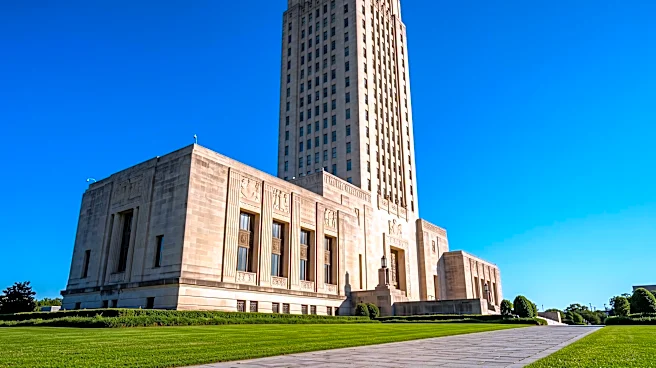
At the very top of the pyramid is the Louisiana Secretary of State. This statewide elected official is designated by the state constitution as the chief election officer. Their job is to provide leadership, oversee the entire election process, and ensure public confidence. The Secretary of State's office prepares and certifies ballots, promulgates all election returns, and administers the state's election laws. They are responsible for purchasing and maintaining voting machines, which are stored in state-run warehouses, and programming them for each election. This office also creates training materials for poll workers and handles the Help America Vote Act (HAVA) funds meant to improve the voting process. Think of the Secretary of State as the commander-in-chief
of elections, setting the rules and providing the equipment for the entire state.
The Ground Game: Parish Clerks of Court
While the Secretary of State provides top-level oversight, the real work on the ground happens at the parish level, led by the Clerk of Court. In each of Louisiana's 64 parishes, the Clerk of Court serves as the chief parish election officer. This is a massive responsibility. They are in charge of coordinating and administering all local aspects of an election. Their duties include training and selecting the thousands of poll commissioners (poll workers) needed for Election Day. The clerks also receive qualifying papers for local candidates, inspect voting machines to ensure they are properly prepared by the state, and oversee the tabulation of votes on election night before reporting them to the Secretary of State. They are the critical link between state directives and the local polling place.
The Local Watchdogs: Boards of Election Supervisors
To add another layer of oversight, every parish has a Board of Election Supervisors. This board is typically composed of the parish's Registrar of Voters, the Clerk of Court, a governor's appointee, and representatives from the local Democratic and Republican parties. Their job is to oversee the preparation for elections and the counting of votes. For example, the board is responsible for sealing the voting machines before an election and formally compiling and promulgating the results afterward. This bipartisan and multi-official structure is designed to ensure that no single person or party has unchecked control over the local election process.
Election Day Heroes: Commissioners and Custodians
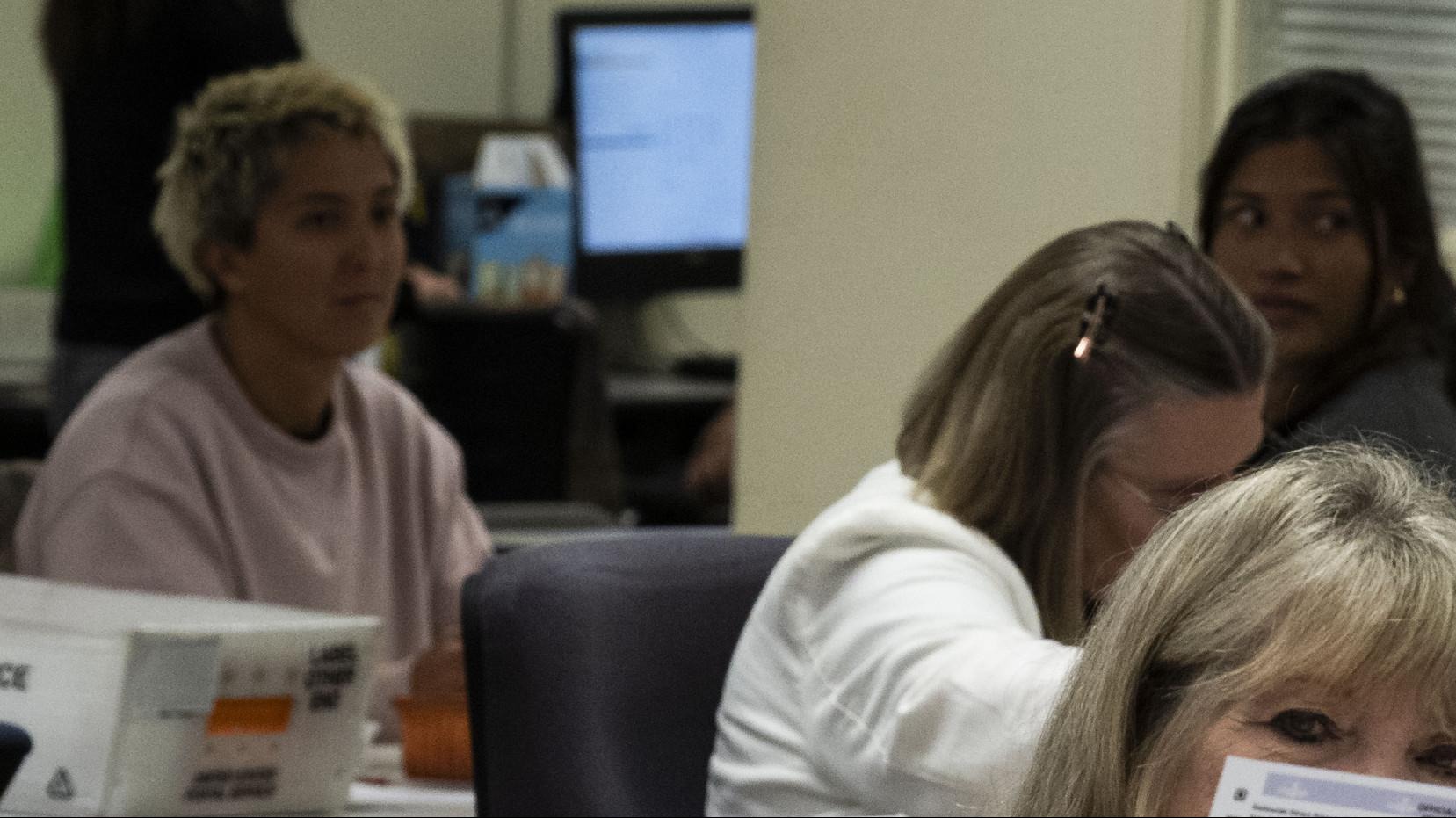
Finally, the system relies on an army of temporary citizen workers. These are the poll commissioners you see at your precinct on Election Day. Often called the "backbone" of the process, these individuals are recruited, trained, and paid a stipend for their service. Each precinct is managed by a Commissioner-in-Charge, a more experienced poll worker who presides over the polling place, administers oaths to other commissioners, and is responsible for the secure transfer of voting materials and results back to the Clerk of Court. They are assisted by commissioners who handle voter check-in and provide assistance. This citizen involvement is fundamental to the hands-on administration of voting in every neighborhood across Louisiana.