


The Straight Answer: Missouri Has Open Primaries
Missouri uses an open primary system for its state and congressional elections. This is confirmed by the Missouri Secretary of State's office. In simple terms, this means any registered voter in the state can participate in a primary, regardless of their political affiliation. Unlike in closed primary states, Missouri does not require voters to register with a specific party to be able to vote in that party's primary election. This setup offers voters a significant degree of flexibility on Election Day.
Open vs. Closed: A Quick Primer
To appreciate what makes Missouri's system distinct, it's helpful to understand the basic terminology. In a closed primary, only voters who are officially registered members of a political party can vote for that party's candidates. For instance,
only registered Republicans can vote in the Republican primary, and only registered Democrats in the Democratic one. Independents or unaffiliated voters are often shut out completely. An open primary, by contrast, throws the doors open. Any registered voter can decide, on the day of the election, which party's primary they want to participate in. They receive a ballot for one party and one party only, but the choice of which ballot to take is theirs.
Your Experience at a Missouri Polling Place
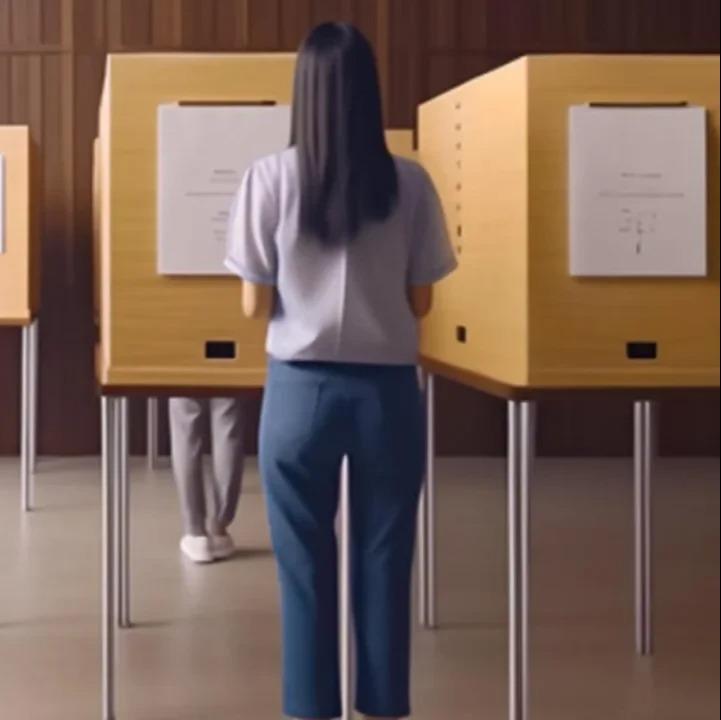
So what does this look like in practice for a Missouri voter? When you arrive at your polling place for a primary election, you will state your name and address as usual. Then, the election judge will ask you to choose which party's ballot you wish to receive. Missouri officially recognizes three major political parties: Republican, Democratic, and Libertarian. You simply request the ballot for one of them. Your choice is private in the sense that it is not permanently recorded as a change in your party affiliation, because Missouri doesn't have partisan voter registration to begin with. If there are non-partisan issues on the ballot, you can also request an 'issues only' ballot that contains no candidates.
Why Missouri's Open System Matters
The use of an open primary has significant consequences for the state's political landscape. First, it empowers the state's independent and unaffiliated voters, who make up a substantial portion of the electorate, by allowing them a full say in the nominating process. Second, it allows for 'crossover voting', where a voter from one party might choose to vote in another party's primary. This can happen for various reasons, from a voter finding a candidate in the opposing party more appealing to strategic attempts to nominate a weaker candidate who might be easier to defeat in the general election. Proponents argue that open primaries encourage candidates to appeal to a broader swath of the electorate, potentially leading to more moderate nominees. Critics, however, contend that they dilute the ability of party members to choose their own standard-bearers.
A Note on Presidential Primaries
It is important to note that the rules for presidential primaries can sometimes differ from state and congressional primaries. While Missouri's state-level primaries are open, presidential primaries operate under rules that can be set by the national and state political parties themselves. In the past, this has sometimes resulted in a process that functions more like a closed primary, where participation is limited to voters who affiliate with the party. Voters should always double-check the specific rules ahead of any presidential primary to ensure they know how to participate.