

A Bipartisan, Multi-Layered System
No single person or office runs elections in New York. Instead, the entire process is managed by a network of boards of elections. The system is built on a foundation of bipartisanship, a principle enshrined in state law. This means that for every Democratic election official, there must be a Republican counterpart, from the top of the state hierarchy down to the local poll workers. This structure was designed to prevent any one party from controlling the mechanics of voting. The New York State Board of Elections sits at the top, setting the rules and overseeing the process statewide. However, the actual, on-the-ground work of running elections—registering voters, setting up polling places, and counting ballots—is handled by 62 separate county-level
boards of elections.
The State Board: Rulemaker and Overseer
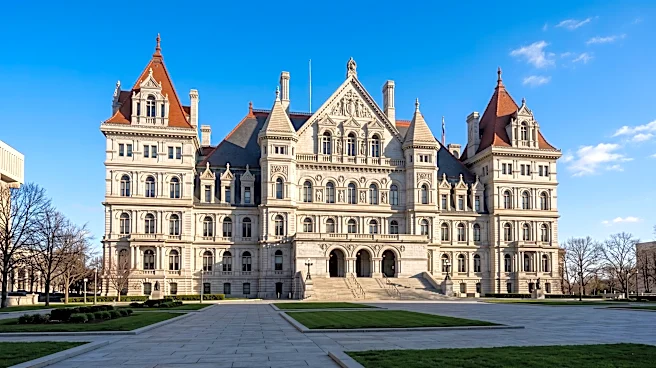
Established in 1974, the New York State Board of Elections is the central administrative agency for election law. Its primary role is not to run individual polling sites but to ensure that all 62 county boards follow state and federal election laws. The board is run by a group of commissioners appointed by the governor and legislative leaders, maintaining the strict bipartisan balance. Its key duties include certifying voting machine technology, compiling statewide voter registration data, and formally certifying the final results of federal and statewide elections. The board also plays a crucial role in campaign finance, regulating disclosures and enforcing contribution limits. A separate Division of Election Law Enforcement investigates complaints and potential violations, acting as the watchdog for the entire system.
The County Boards: Where the Work Gets Done
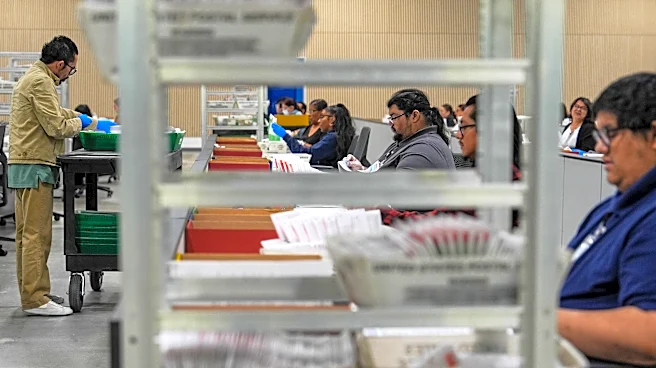
The real engine rooms of New York's election system are the county boards. Outside of New York City, each county has its own board of elections, typically run by two or four commissioners recommended by the county's Democratic and Republican parties and appointed by the county legislature. These local boards are responsible for nearly every practical aspect of an election. They handle voter registration, maintain the rolls of eligible voters, and process absentee ballot applications. They also recruit, train, and pay the thousands of poll workers who staff polling sites on Election Day, select and prepare those voting locations, and conduct the initial canvass and count of the votes. While the state board sets the guidelines, it's the county boards that execute the plan.
New York City: A System Unto Itself
New York City operates under a unique and often scrutinized structure. Instead of separate boards for each of its five counties (boroughs), there is a single, consolidated New York City Board of Elections (NYCBOE). This board is composed of 10 commissioners—two from each borough, with one from each major party—appointed by the City Council based on recommendations from the local party organizations. While it performs the same functions as a county board, its massive scale and legacy as a center for political patronage have made it a frequent subject of criticism. The NYCBOE has faced public scrutiny for a series of high-profile errors, including improperly purging voter rolls, sending out incorrect absentee ballots, and famously including 135,000 test ballots in a preliminary mayoral primary count in 2021. These incidents highlight the challenges of its complex, patronage-based structure in a modern electoral environment.