

It Starts at the Local Level
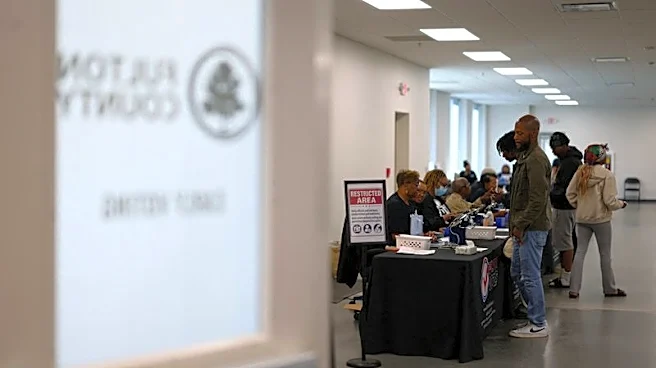
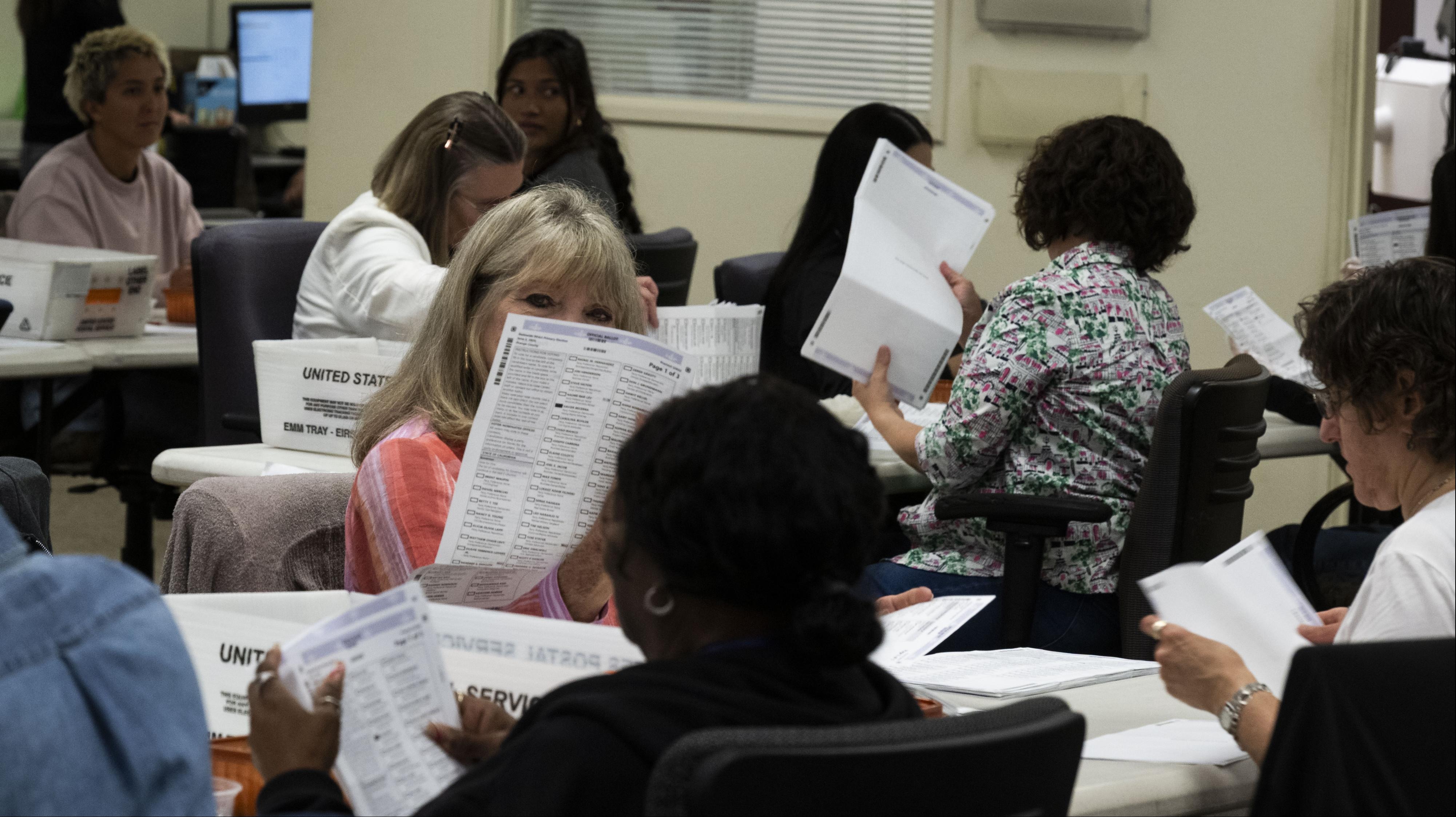
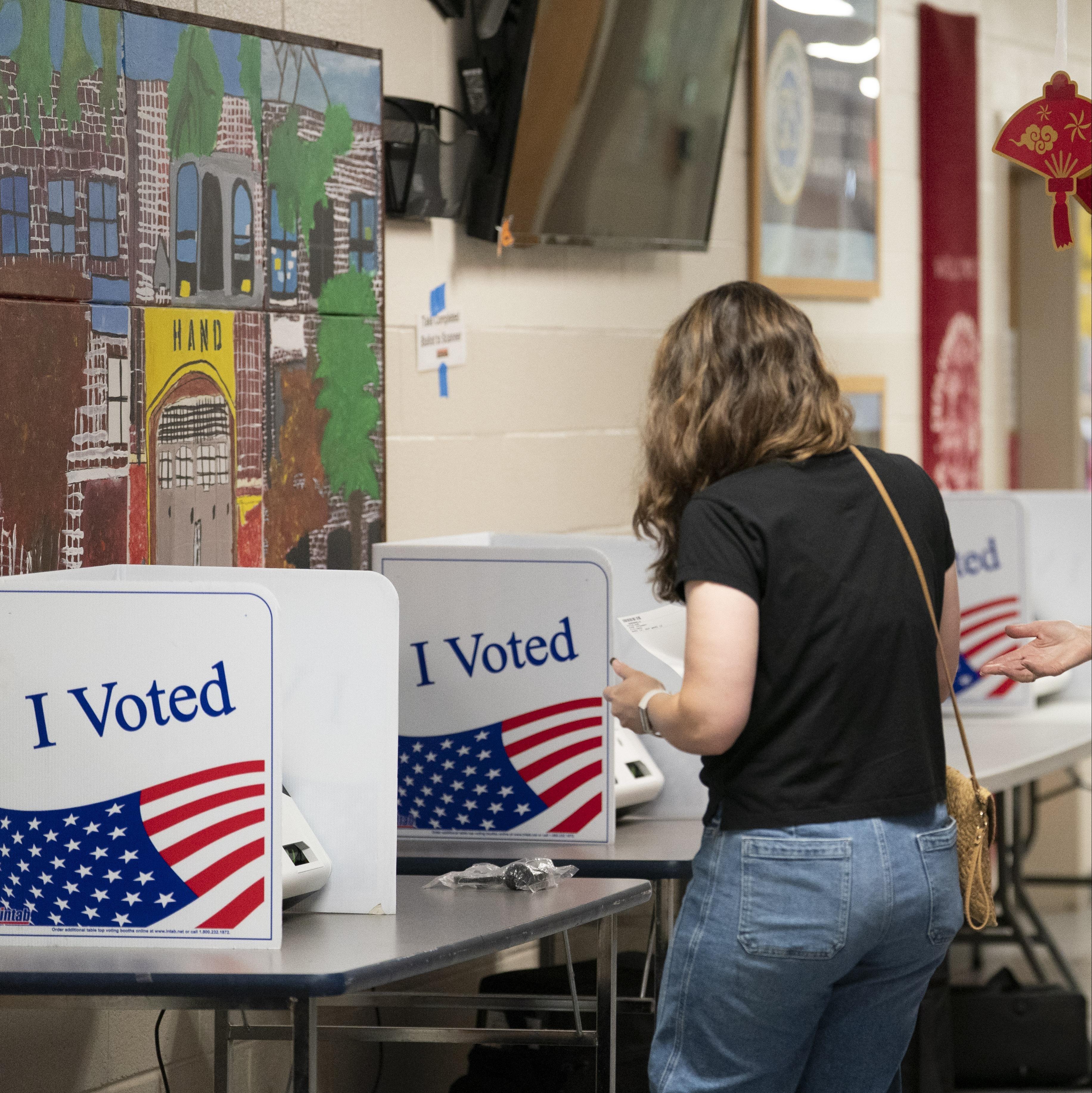
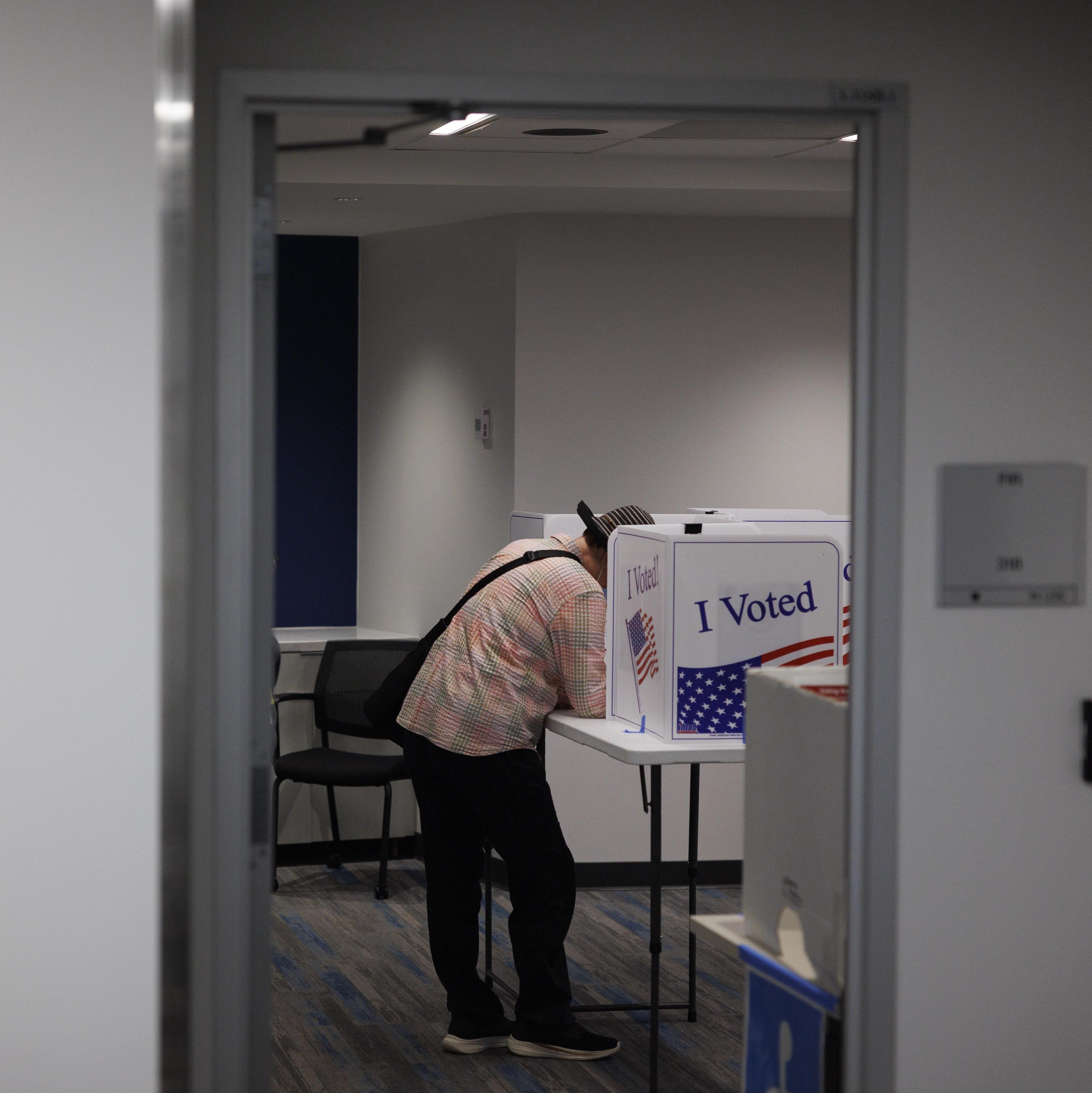
The certification journey begins the moment polls close on election night. The first people to handle the results are the local officials in each of New Hampshire's towns and city wards. Moderators and clerks at each polling place are responsible for tallying the votes cast there, including absentee ballots. They prepare an official return of votes, which is a detailed report of the count for each candidate. By law, these local officials must complete their counts and transmit these initial results to the New Hampshire Secretary of State. This hyper-local first step is the bedrock of the entire process, creating a paper trail that originates directly from the community's polling stations.
The Secretary of State Gathers the Data
Once all 200-plus towns and wards have submitted their
numbers, the Office of the Secretary of State takes center stage. As the state's chief election official, the Secretary of State is responsible for collecting and aggregating the returns from across New Hampshire. This phase, known as the canvass, involves meticulously checking the local returns for accuracy and completeness. It’s not just a simple matter of addition; officials are ensuring the numbers from each jurisdiction are properly reported and accounted for. This centralized collection is critical for creating a comprehensive statewide picture of the election outcome before the final, formal certification can occur.
The Governor and Council Give Final Approval
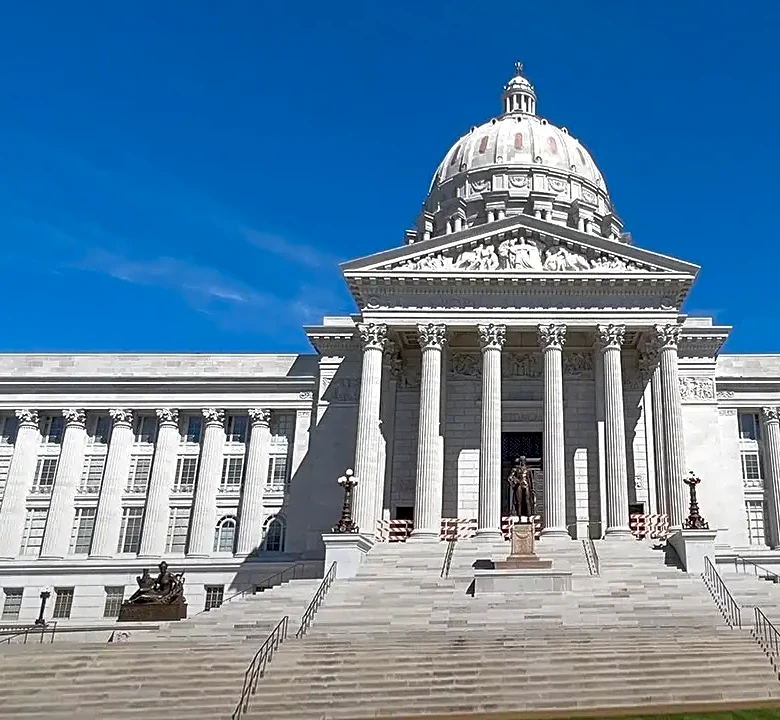
Here's where New Hampshire’s process becomes truly distinctive. The final, official certification of congressional election results is not done by the Secretary of State alone. Instead, the results are formally certified by the Governor and the Executive Council. The Executive Council is a five-member body, unique in its power, elected every two years alongside the governor. The Secretary of State prepares the final vote totals and presents them to the Governor and Council in a public meeting. This body then formally accepts and certifies the results, giving them the force of law. This structure provides an additional layer of review and public accountability, as the final sign-off is performed by a group of separately elected officials.
So, When Does This All Happen?
The timeline is more of a sequence of events than a single, hard date. The initial results from towns are due to the Secretary of State very quickly, often the day after the election. However, the final certification has to wait. State law provides a window for candidates to request recounts. For a general election, a candidate can request a recount up until the Friday after the election. The official certification by the Governor and Council can only happen after this period for requesting a recount has expired and any requested recounts have been completed. This means the final, certified results for a congressional race are typically declared in the weeks following the election, not on election night itself.
Recounts and the Path to Washington
If a recount is requested, the Secretary of State's office conducts it. This is a transparent process where ballots are counted by hand, and candidates or their representatives can be present to observe and challenge rulings on individual ballots. Once any recounts are finished and the results are finalized, the Governor and Council hold their certification meeting. After that certification, the process is complete at the state level. The state issues a certificate of election to the winner. This document is the official confirmation that the candidate has won the election, which they will then present to the U.S. House of Representatives or U.S. Senate when they are sworn into office in Washington, D.C.