






It Starts at the County Level
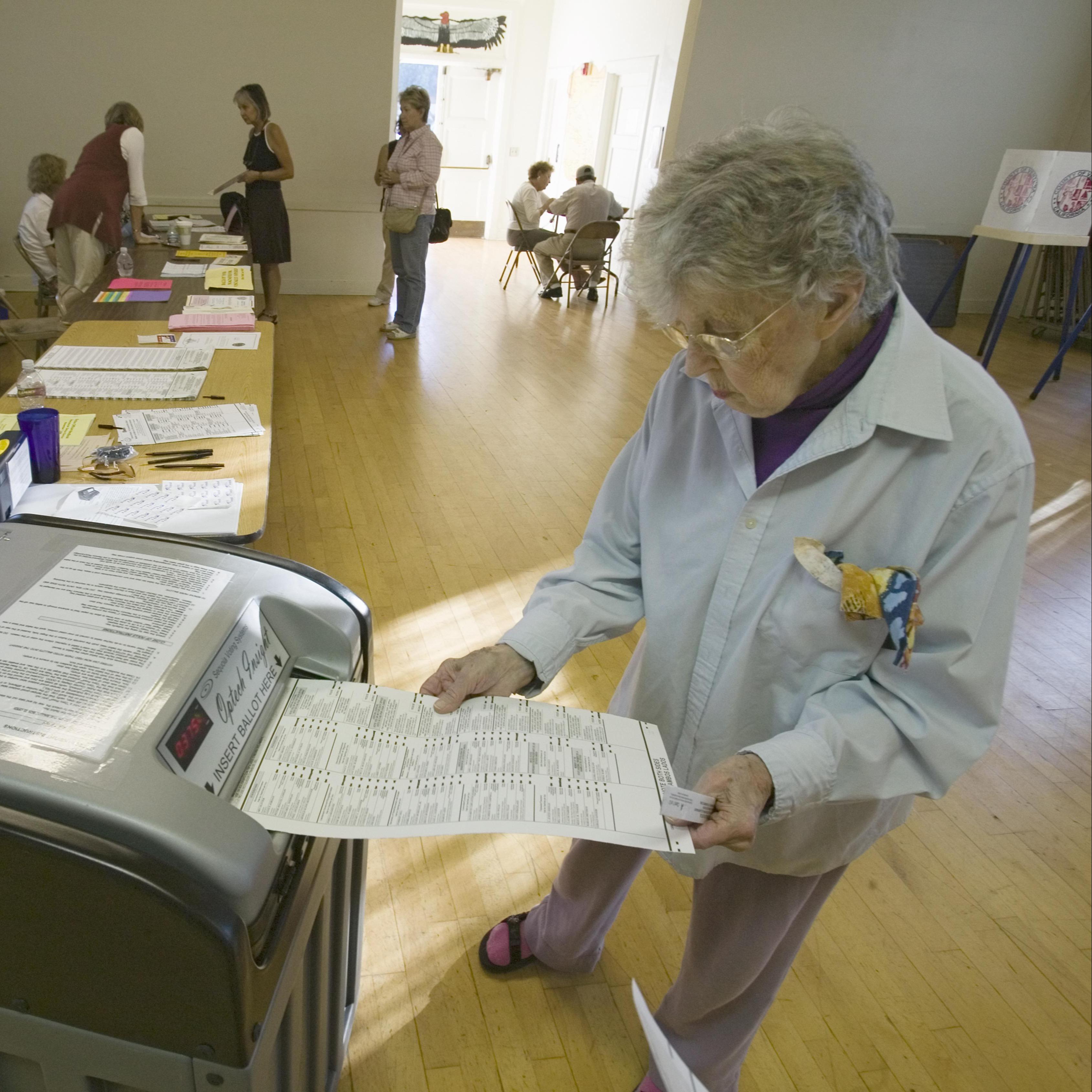
The first official step in making election results final happens in each of Arkansas’s 75 counties. Every county has a County Board of Election Commissioners, a bipartisan body responsible for the local conduct of elections. After Election Day, this board's job is to canvass the returns, which is the formal process of reviewing and confirming the vote tallies from all the precincts within their jurisdiction. This includes counting absentee ballots and ensuring every valid vote is included. This isn't an overnight process. Arkansas law gives the county boards a specific window to complete this task: they can begin 48 hours after the election, but they must certify their county's results and send them to the Secretary of State no later than 15
calendar days after the election.
The Secretary of State's Role as Receiver
Once the county boards finalize their counts, they send certified abstracts of the returns for all federal and state offices, including members of Congress, to the Arkansas Secretary of State. The Secretary of State acts as the state’s chief election officer and the central hub for receiving these results from across Arkansas. Their office is responsible for compiling these certified totals from all 75 counties. For congressional races, the Secretary of State has up to 30 days after receiving the county results to tabulate and arrange the total votes from across the relevant district or the entire state for a Senate race. This step aggregates all the local certifications into a complete, statewide picture of the election outcome.
The State Board of Election Commissioners
While the Secretary of State receives and compiles results, the State Board of Election Commissioners plays a pivotal role in overseeing the entire process and ensuring fairness. This seven-member board is comprised of the Secretary of State (who serves as the chairperson), two appointees from the Governor, and one appointee each from the state chairs of the Democratic and Republican parties, the President Pro Tempore of the Senate, and the Speaker of the House. Its mission is to promote fair and orderly elections, investigate complaints, and ensure local authorities comply with election laws. If a county board fails to send its certified results on time, the Secretary of State is required to file a complaint with this state board, highlighting its enforcement and oversight authority.
Final Certification and the Governor's Proclamation
The final, official act of certifying a congressional winner falls to the state's executive branch. After the Secretary of State has compiled the votes from all counties, the results are presented to the Governor. It is the Governor who must, immediately after the votes are arranged by the Secretary of State, grant a Certificate of Election to the candidate who has won. This certificate is the official declaration that the person has been elected to serve in the U.S. Congress. This action by the Governor is the last step in the chain of certification, turning the unofficial results reported on election night into an official, legally recognized outcome. This final step for congressional races must happen within that 30-day window following the receipt of county results by the Secretary of State.