

The State's Chief Election Officer
At the top of the pyramid is the Iowa Secretary of State. This statewide elected official serves a four-year term and holds the title of State Commissioner of Elections. Their job isn't to count individual ballots but to oversee the entire system. The Secretary of State's office maintains the statewide voter registration database, ensures election laws are applied uniformly across all 99 counties, and provides guidance and best practices to local officials. Think of this office as the architect and quality control manager for the state's election process. They design the framework, offer support, and, after the counties have done their work, officially certify the final statewide results.
The County-Level Powerhouses
If the Secretary of State is the architect, then Iowa's
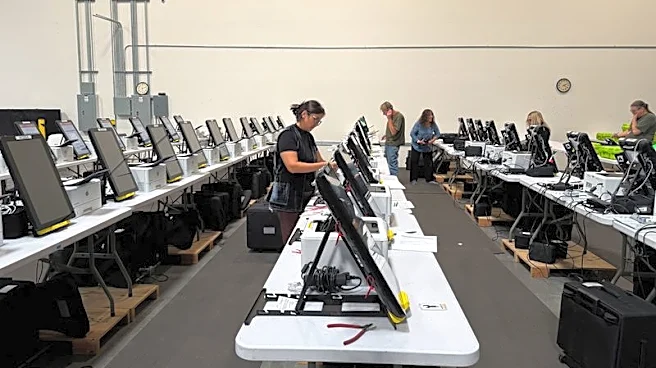
99 County Auditors are the general contractors who build the house. The County Auditor is the Commissioner of Elections for their county, and this is where the bulk of the hands-on work happens. They are responsible for nearly every practical aspect of an election. This includes printing the ballots, programming and testing voting machines, and processing all absentee ballots. They also handle all voter registration within the county, maintaining the local records that feed into the statewide system. On top of that, they are in charge of securing polling places and, crucially, recruiting and training the army of temporary workers you see at the polls on Election Day.
Your Neighbors at the Polls
The most visible faces in the election process are the Precinct Election Officials (PEOs), often called poll workers. These are the people who check you in, hand you your ballot, and ensure the polling place runs in an orderly fashion. PEOs are temporary workers, paid at least minimum wage for their long day of service, which starts before the polls open and ends long after they close. They are your neighbors, friends, and fellow community members who are registered to vote in the county. The County Auditor appoints these officials, often from lists provided by the major political parties to ensure bipartisan representation at each site. Their most important duty is to uphold the integrity of the election at the ground level, ensuring every eligible voter has the opportunity to cast their ballot privately and securely.
How It All Fits Together
Iowa's election system is a classic example of America's decentralized approach to voting. It’s a partnership between state oversight and local control. The Secretary of State sets the rules and certifies the final count, but the County Auditors run the show in their respective jurisdictions, from managing voter rolls to tallying the votes. After the polls close, the precinct officials count the ballots at their location and transport the results and materials back to the County Auditor's office. The county then conducts its official canvass of the votes and certifies its local results. Finally, all 99 counties report their certified results to the Secretary of State, who performs the final statewide certification. This layered system, with its checks and balances, is designed to be transparent and build public trust, ensuring that the process is managed by professionals at the state level, executed by dedicated officials at the county level, and witnessed by the community itself in every precinct.