



Mark Your Calendar: Key Election Dates
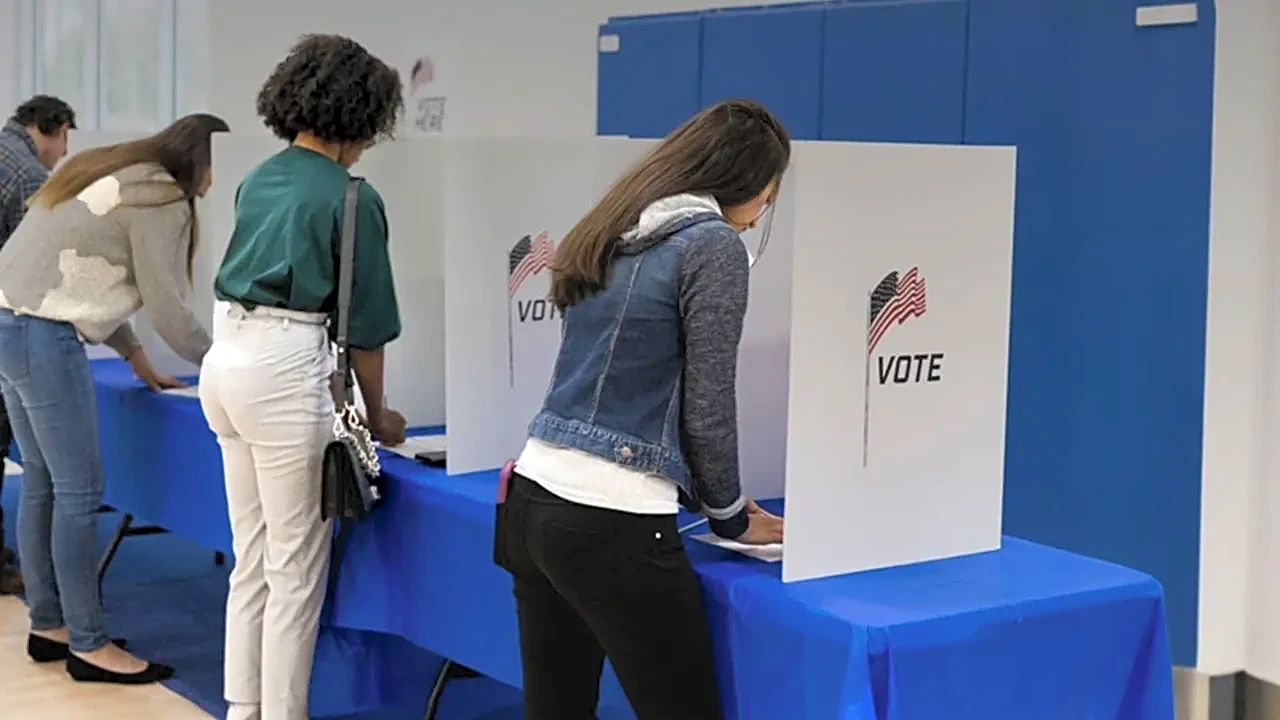
The main event for Alaskan voters is the General Election on Tuesday, November 3, 2026. Polls will be open from 7:00 AM to 8:00 PM. This election was preceded by the nonpartisan top-four primary, which took place on August 18, 2026. In that primary, all candidates, regardless of party, appeared on a single ballot, with the top four finishers in each race advancing to the November general election. Other important dates for voters include the voter registration deadline on October 4 and the start of early in-person voting on October 19. The deadline to apply for an absentee ballot by mail is October 24.
The Race for Governor and Lieutenant Governor
With two-term Republican Governor Mike Dunleavy term-limited, the race to lead the state is wide open. Following the August primary, four candidates
are on the November ballot for governor: Democrat Jonathan Kreiss-Tomkins and Republicans Bernadette Wilson, Dave Bronson, and Treg Taylor. A fifth-place primary finisher, Taylor replaced Democrat Tom Begich on the ballot after Begich withdrew from the race. Voters will also select a lieutenant governor, with candidates Josh Church, Candi English, Mike Shower, and Zachary Johnson on the ballot. In Alaska's system, the governor and lieutenant governor run on a single ticket in the general election.
High-Stakes Federal and State Races
Beyond the governor's mansion, several other crucial offices are up for grabs. Two-term Republican incumbent Dan Sullivan is running for re-election to the U.S. Senate and is being challenged by former congresswoman Mary Peltola, a Democrat. For the U.S. House, one-term incumbent Nick Begich III is defending his seat. Voters will also decide who represents them in the Alaska Legislature, with elections for the state's House of Representatives and half of the state Senate seats. Additionally, retention elections will be held for judges, including for Alaska Supreme Court Justice Jude Pate.
Understanding Ranked-Choice Voting
Alaska's general election uses a ranked-choice voting (RCV) system for all state and federal races. Instead of picking just one candidate, voters can rank them in order of preference: first, second, third, and so on. You can rank as many or as few candidates as you like. To win, a candidate must secure more than 50% of the vote. If no one wins a majority in the first round of counting, the candidate with the fewest first-choice votes is eliminated. The votes for that eliminated candidate are then redistributed to those voters' second-choice picks. This process continues in rounds until one candidate surpasses the 50% threshold.
Ballot Measures: The Future of Elections Itself
The 2026 ballot features significant measures that could reshape Alaska's political landscape. One of the most consequential is an initiative seeking to repeal the state's top-four primary and ranked-choice voting system. If passed, it would restore partisan primaries and plurality (most votes win) elections. A similar repeal effort narrowly failed in 2024. Another measure aims to formally add language to state law specifying that only U.S. citizens may vote, which is already the existing law. A third measure, already passed in the August primary, established new campaign contribution limits. Locally, some municipalities like Juneau will have propositions on issues like sales and property taxes.