




West Virginia’s Hybrid System
So, what’s the verdict for the Mountain State? West Virginia uses a 'semi-closed' primary system. This sounds complicated, but it’s really a hybrid model that blends features of both open and closed primaries. State law allows each recognized political party to decide whether to allow unaffiliated voters to participate in its primary election. This means the rules aren't uniform across the board; they depend entirely on the party you’re registered with—or if you're registered with one at all. For voters registered with a specific party, the system acts like a closed primary. But for the state’s large bloc of independent voters, it offers a crucial element of choice.
A Tale of Two Parties
The flexibility in West Virginia's law has led the two major parties to take
different approaches. The West Virginia Democratic Party, along with the Mountain Party, holds a semi-closed primary. This means registered Democrats must vote on the Democratic ballot, but unaffiliated voters—those registered with 'No Party'—can request a Democratic ballot at the polls. On the other hand, the West Virginia Republican Party recently opted for a fully closed primary. This was a significant change. Now, only voters registered as Republicans can vote on the Republican primary ballot. Unaffiliated voters, who previously could choose to participate, are no longer able to cast a vote in the GOP primary.
The Power of the Independent Voter
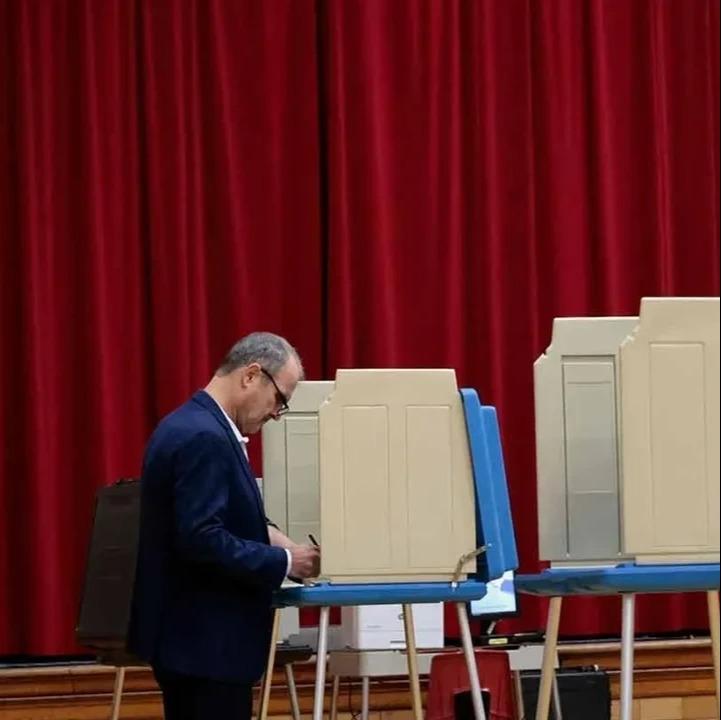
With nearly 28% of the state's electorate registered as independent or with no party affiliation, the rules for these voters are incredibly important. Under the current system, an independent voter in West Virginia has a few options during a primary. They can choose to vote in the Democratic or Mountain party primary. If they do, they simply request that party’s ballot from a poll worker. Alternatively, they can choose to vote a non-partisan ballot, which includes public questions and non-partisan races like judges and school board members, without participating in any party's nomination contest. If an independent voter doesn't specifically ask for a party ballot, they will automatically receive the non-partisan one. This setup gives unaffiliated voters significant influence, particularly in the Democratic primary, while respecting the Republican Party's decision to limit its selection process to its own members.
Why This System Matters
A state's primary system has a profound impact on its politics. Proponents of closed primaries, like the one the West Virginia GOP now uses, argue that party members should be the only ones to select their nominees. This approach is seen as a way to ensure candidates are aligned with the party's core values and prevents 'crossover' voting, where members of an opposing party vote to nominate a weaker candidate. In contrast, systems that allow independent participation, like the West Virginia Democratic Party's, are praised for being more inclusive. Supporters believe this encourages candidates to appeal to a broader range of voters, potentially leading to more moderate nominees. For voters, the key is to know the rules. If you're registered with a party, your choice is made for you. If you're an independent, you hold the power to participate—or not—and should be prepared to state your choice at the polling place.