


Mark Your Calendar: Election Day and Key Deadlines
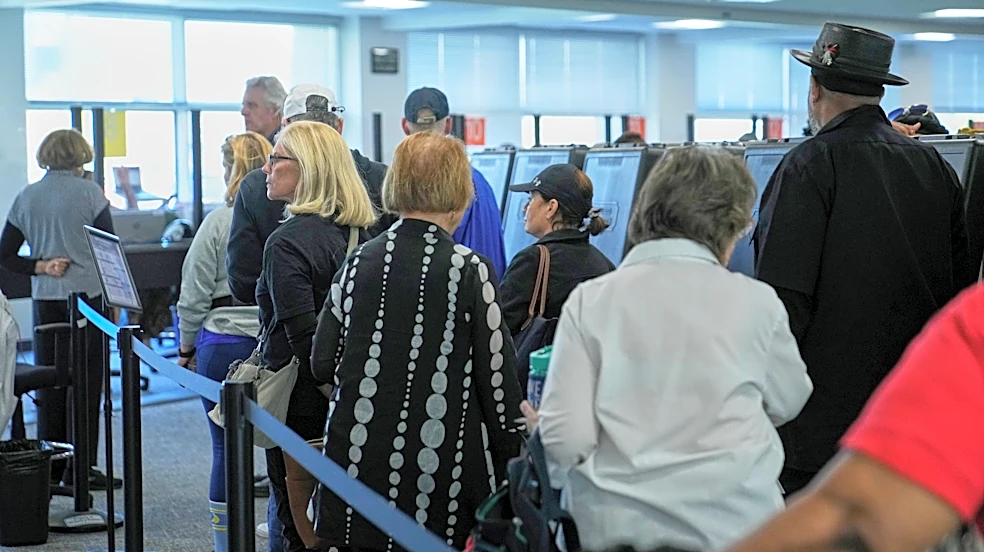
The 2026 Iowa General Election will be held on Tuesday, November 3, 2026. Polls across the state will be open from 7:00 a.m. to 8:00 p.m. For Iowans who prefer to vote early, the absentee voting period begins on Wednesday, October 14, which is the first day county auditors can mail out ballots and when in-person early voting can begin. Several key deadlines precede Election Day. The voter pre-registration deadline is Monday, October 19. That same day, at 5:00 p.m., is also the deadline for your county auditor to receive your request for an absentee ballot to be mailed. Iowans do have the option of same-day registration if they miss the deadline, allowing them to register and vote simultaneously during the early voting period or on Election Day itself.
High-Stakes Federal Races
Two major federal races will be on every Iowan's ballot. First is a critical U.S. Senate election to fill the seat of retiring Republican Senator Joni Ernst, who announced in 2025 that she would not seek a third term. The race to succeed her features Republican U.S. Representative Ashley Hinson and Democratic State Representative Josh Turek. This election is drawing national attention as it could influence the balance of power in the Senate. In addition to the Senate contest, all four of Iowa's seats in the U.S. House of Representatives are up for election, as they are every two years. These races will determine who represents Iowans' interests on a district-by-district basis in Washington, D.C.
An Open Race for Governor and Other Statewide Offices
For the first time since 2014, the governor's office is an open contest, as incumbent Republican Kim Reynolds is not seeking re-election. The race to lead the state features State Auditor Rob Sand for the Democrats and Republican businessman Zach Lahn, who won his party's nomination in an upset. Beyond the governorship, several other key statewide executive offices are on the ballot. Voters will elect the Attorney General, Secretary of State, State Auditor, State Treasurer, and Secretary of Agriculture. These officials hold significant power over law enforcement, election administration, state finances, and agricultural policy, making their elections crucial for the day-to-day governance of Iowa.
Control of the Statehouse
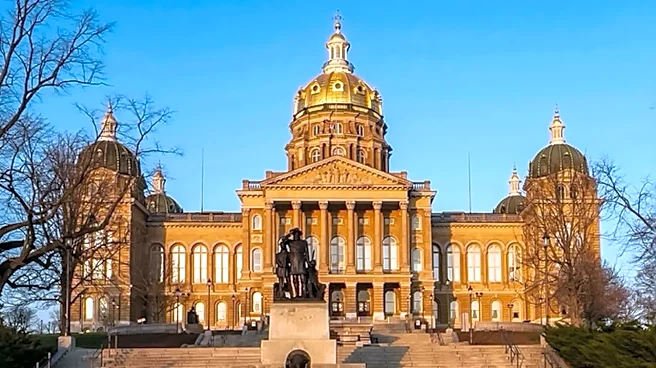
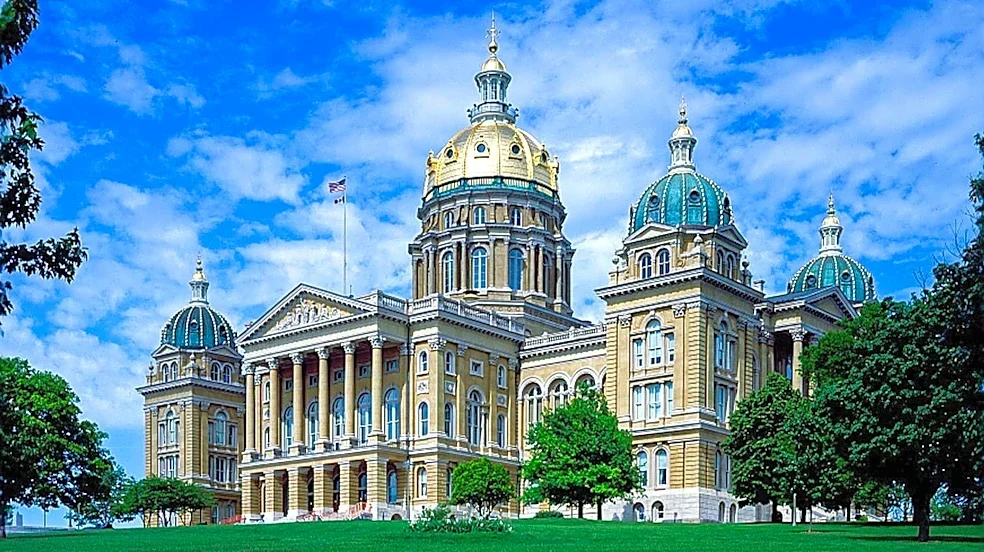
The entire composition of the Iowa General Assembly is at play in 2026. All 100 seats in the Iowa House of Representatives are up for election for two-year terms. In the Iowa State Senate, half of the seats—specifically the 25 odd-numbered districts—are on the ballot for four-year terms. These legislative races will determine which party controls the agenda at the State Capitol in Des Moines. The majority party will have the power to write the state budget, pass laws on everything from education to healthcare, and respond to the priorities of the newly elected governor. At the start of 2026, Republicans held majorities in both the House and Senate.
A Major Constitutional Amendment on Taxes
Beyond the candidates, Iowans will vote on at least one significant statewide ballot measure. Amendment 1 is a proposed constitutional amendment that would make it harder for future state legislatures to raise certain taxes. If passed, the amendment would require a two-thirds supermajority vote in both the Iowa House and Senate to increase the individual or corporate income tax rates. Currently, only a simple majority is needed. Supporters argue the measure protects taxpayers, while opponents express concern that it could limit the state's flexibility to respond to future economic crises or funding needs. This question gives voters a direct say in the state's fiscal policy for years to come.