



The State's Chief Election Officer
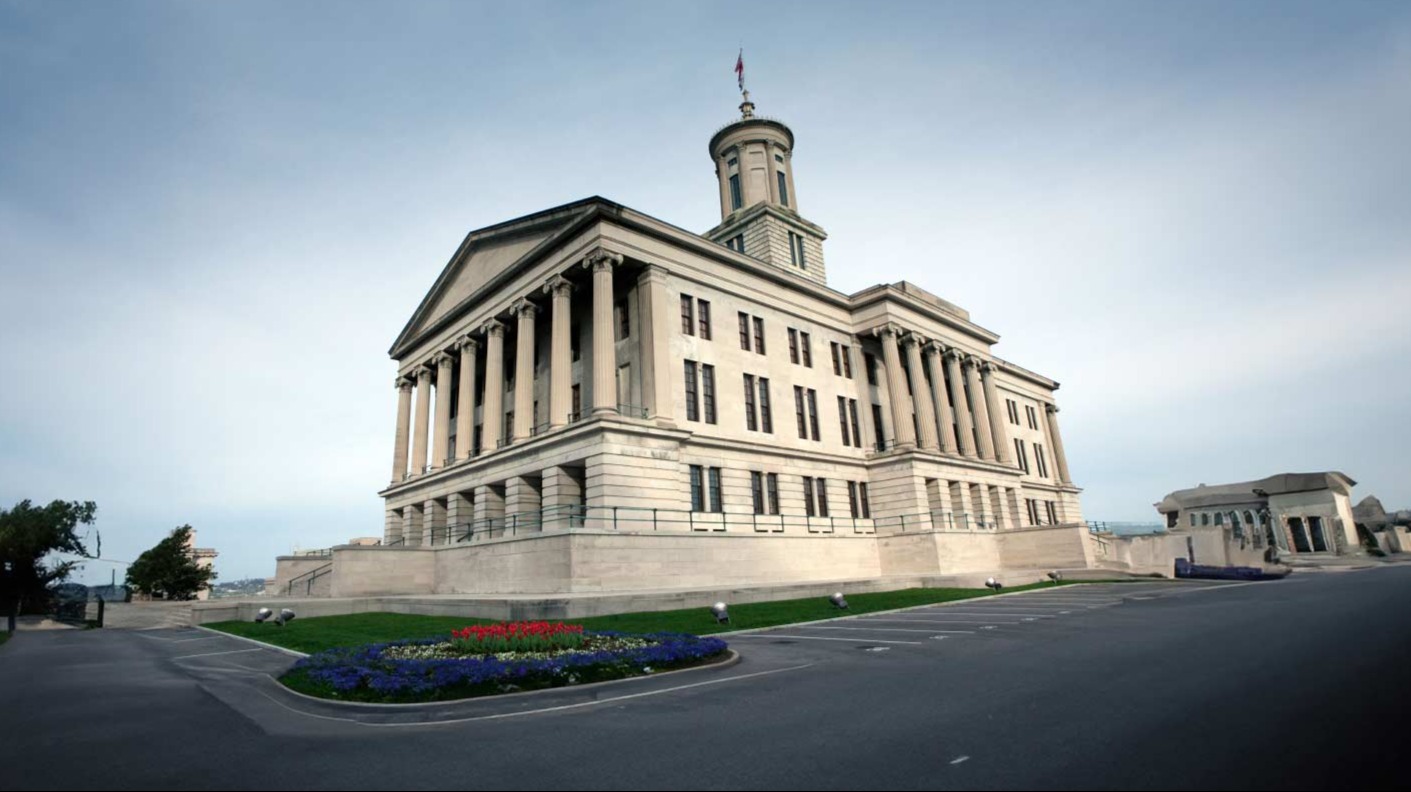
At the top of the pyramid is the Tennessee Secretary of State, who serves as the state's chief election official. Unlike in most states where this position is elected by popular vote or appointed by the governor, Tennessee's Secretary of State is elected by the state's General Assembly for a four-year term. This office has broad oversight of election administration. However, the Secretary of State doesn't work alone. They appoint a key figure called the Coordinator of Elections. This coordinator is the chief administrative officer responsible for ensuring election laws are applied uniformly across all 95 counties, interpreting election law, and advising local officials on their duties. Think of this state-level team as setting the rules of the game
and providing the playbook for the entire state.
The Rule-Making Commission
Working alongside the Secretary of State's office is the State Election Commission. This seven-member body is also elected by the Tennessee General Assembly and has a mandated bipartisan structure: four members from the majority party and three from the minority party. Their primary job is to establish election policies and monitor the performance of election officials statewide. One of their most significant duties is appointing the five election commissioners in every single county. This commission acts as a crucial link between statewide policy and local execution, ensuring that the standards set at the state level are implemented consistently on the ground.
Your Neighbors in Charge: County Election Commissions
While state officials provide oversight, the real, hands-on work of running an election happens at the county level. Each of Tennessee's 95 counties has its own five-member election commission, appointed by the State Election Commission. These local commissions are responsible for almost every practical aspect of voting in your community. They hire a full-time professional, the Administrator of Elections, who manages the day-to-day operations. This includes maintaining voter registration files, preparing the budget, purchasing supplies, preparing ballots, and selecting polling locations. When you register to vote, request an absentee ballot, or see election results being tallied, it’s your county election commission and its administrator doing the work.
The Front Lines: Poll Workers
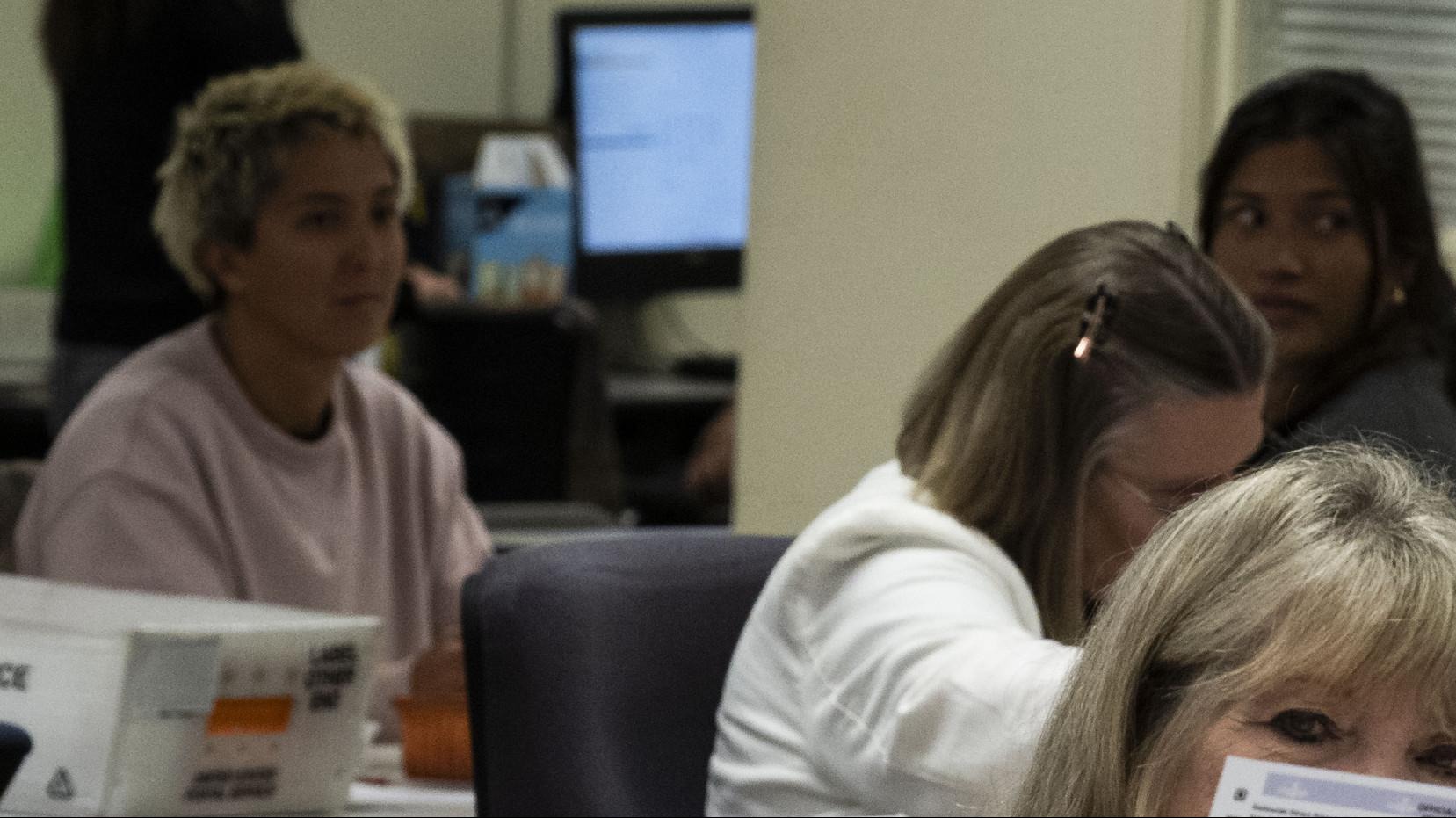
The final piece of the puzzle is the thousands of citizens who serve as poll workers on Election Day. These officials are appointed by the county election commission. The group at each polling place includes an officer of elections, judges, and precinct registrars, with positions filled by members of both major political parties where possible to ensure fairness. These are the people who check you in, provide your ballot, answer your questions, and ensure the polling place runs smoothly. They receive training from the county on proper procedures and are essential for making the voting process accessible and secure for everyone. Without these temporary workers, an election simply could not happen.